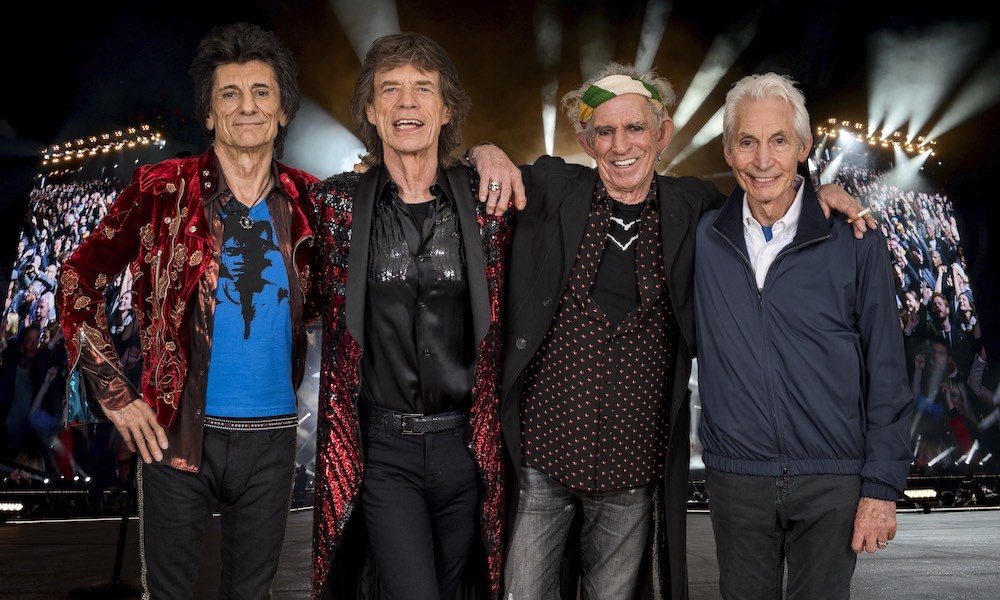
It was not just another concert but a night heavy with memory. The Rolling Stones, a band defined by noise and energy, brought their stadium show to an unexpected halt. The spotlight shifted, not onto Mick Jagger or Keith Richards, but onto an empty drum kit. Its silence was louder than any riff, a symbol of the void left by Charlie Watts, the quiet heartbeat of the band. For a moment, tens of thousands of fans fell utterly silent, their cheers swallowed by the gravity of absence.

When Mick’s voice broke
Mick Jagger, who had spent decades commanding crowds with unshakable confidence, stood at the microphone with tears welling in his eyes. His voice cracked as he began to speak, his words stumbling over emotion. “This one’s for Charlie,” he whispered, his usual swagger replaced by raw vulnerability. The silence deepened, pressing down on the audience until it felt unbearable. And then, from the shadows, Keith Richards stepped forward. His guitar trembled in his hands, not from age but from grief.
A chord for Charlie
“For Charlie,” Richards said, his voice low, almost broken. Then he struck the first chord, and the sound cracked through the stillness like lightning. The audience erupted—not in cheers, but in tears. The song that followed was no ordinary performance; it was a requiem written in real time. Every note dripped with loss, every lyric carried the weight of half a century shared. Fans held each other, strangers united in mourning, as the band bled their grief into melody.
The heartbeat that never dies
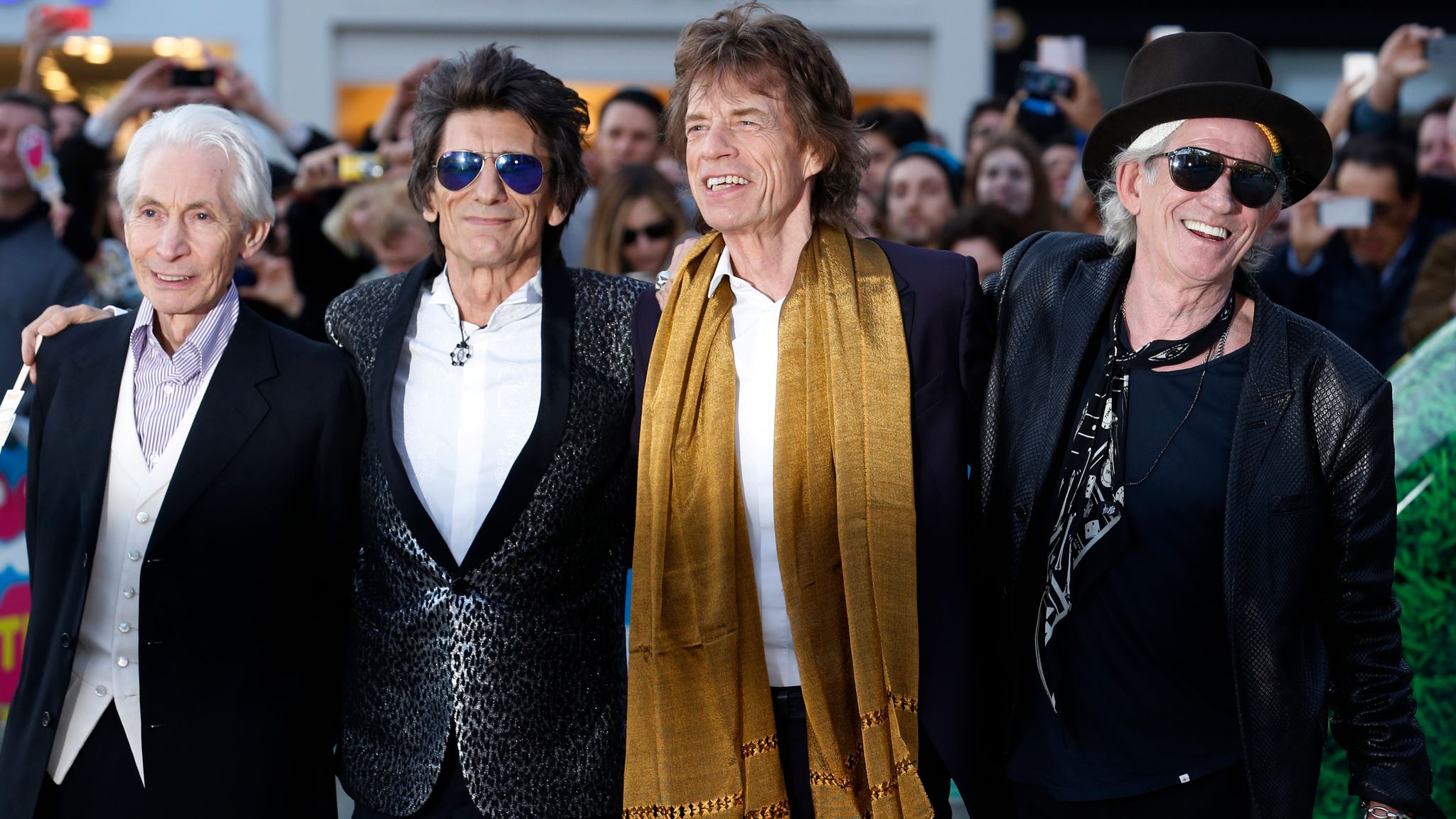
What made the tribute unforgettable was not perfection but imperfection: the shaky voices, the trembling strings, the cracks in the performance that revealed a deeper truth. For those who listened, Charlie Watts was still there—keeping time somewhere beyond the stage, his rhythm echoing in their hearts. When the final notes faded, the roar of the crowd was not applause but catharsis, a collective cry of love and farewell. It was proof that legends never die, and that the heartbeat of the Stones would always carry Charlie’s steady pulse, even in silence.