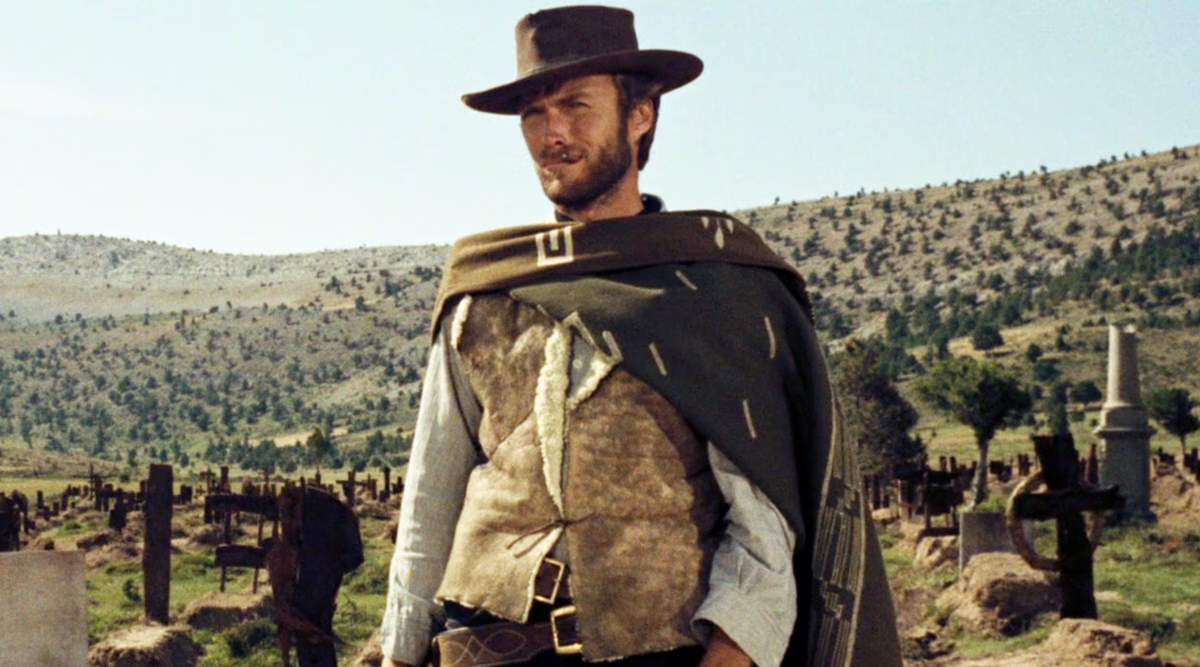
Hollywood’s a graveyard of dreams, and few franchises dodge the curse of fading glory—Clint Eastwood’s Dirty Harry was no exception. After that first raw, renegade roar in 1971, a film that didn’t just break the mold but shot it to pieces, Eastwood had nowhere to climb but into legend. Harry Callahan, the grizzled cop with a .44 Magnum and a sneer, wasn’t just a character—he was a seismic jolt, stirring up outrage and obsession on his way to etching himself into the cultural bedrock. Fans couldn’t get enough, and Eastwood, hooked by the pull of his own creation, kept coming back.
For nearly two decades, he slung that badge across Magnum Force, The Enforcer, Sudden Impact, and The Dead Pool. Each one flickered with echoes of the original’s fire, but none could match its primal spark. Scripts kept piling up, and Eastwood, ever the gambler, would bite if the story had teeth. Enter Fred Dekker, a wide-eyed fanboy with a dream to resurrect his idol’s icon. He poured his soul into a spec script, picturing Harry Callahan facing off against a new nightmare. For Dekker, it was personal—Dirty Harry and Magnum Force were sacred texts, Eastwood a towering god of the screen. “The rest just didn’t cut it,” he told Roel Haanen. “I thought, ‘I can do better.’”
His vision? A twisted tale of a psychopath nabbed by a cop, only to claw his way out of a prison cell years later, his mind a cauldron of vengeance. It was pure Dirty Harry fuel—dark, relentless, a showdown begging for Eastwood’s squint. But fate’s a cruel director. Dekker’s producer, Joel Silver, swore he’d pitched it to Clint, though Dekker smelled bullshit. “Joel had his own empire,” he shrugged. “Why beg Clint when he could just roll the dice himself?” Word came back: Eastwood balked, calling it “too grim.” Too grim for the guy who’d once dared punks to make his day? The irony stung.
Undeterred, Silver and Dekker pivoted hard. Out went the grizzled vet; in came a rookie cop, green but gutsy. They rewrote the script, dialed back the years, and snagged Denzel Washington—hot off an Oscar win—to take the reins. Paired with John Lithgow’s unhinged, frothing-at-the-mouth killer, Ricochet hit screens in 1991 like a Molotov cocktail. It was Washington’s first dance with action, a baptism that launched him into a three-decade reign as a genre kingpin. All because Eastwood turned up his nose at “grim.”
Dekker’s heartbreak morphed into a wild twist of fortune. His Dirty Harry fantasy may have fizzled, but it lit a fuse under Washington’s career—one that’s still burning bright. Funny how a rejection from one legend can birth another. Hollywood’s a brutal beast, but damn if it doesn’t love a good plot twist.