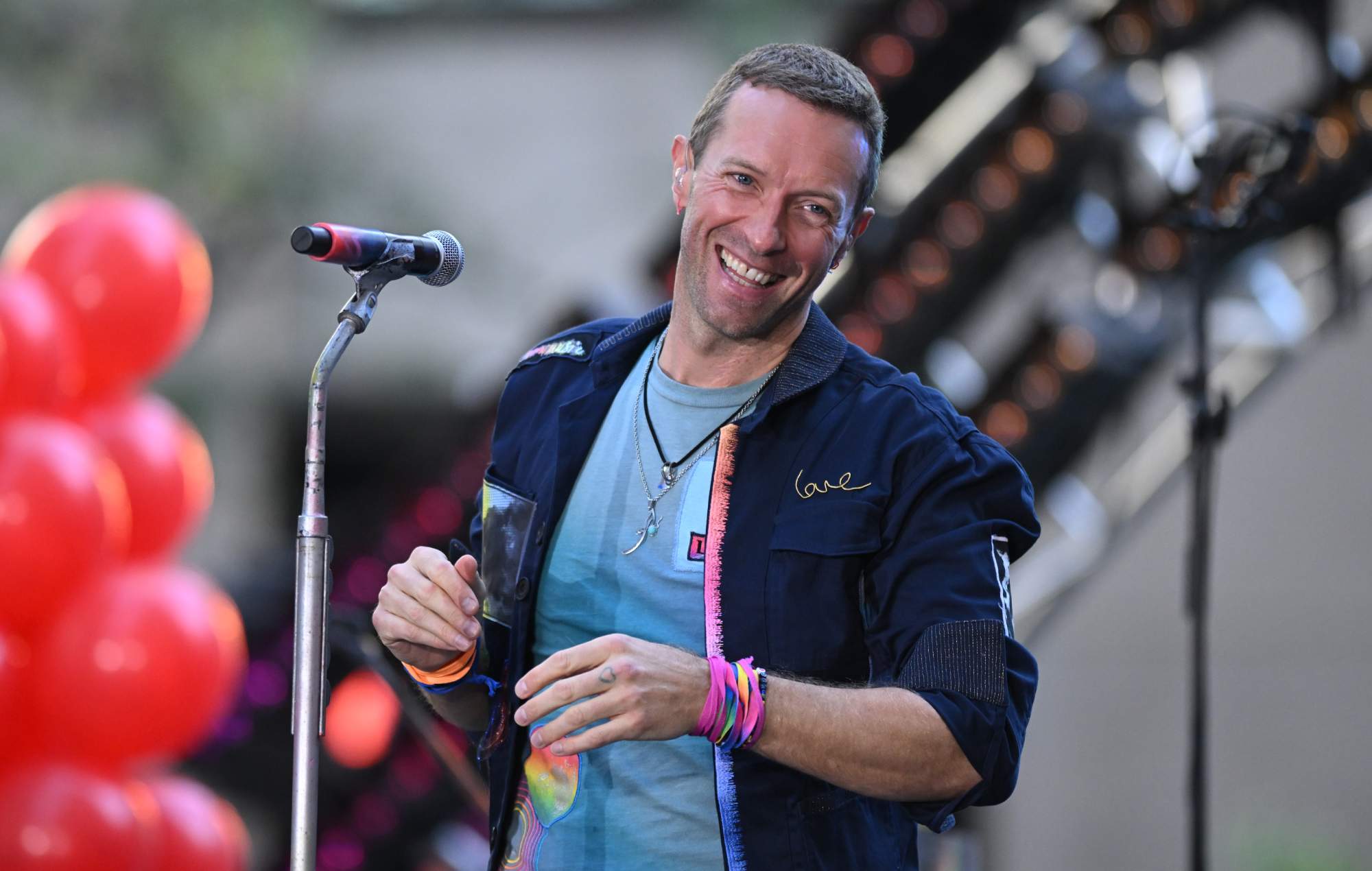
There are moments in live music when the noise of the crowd melts away, when a stadium of tens of thousands becomes as intimate as a family gathering. That was the atmosphere in London as Chris Martin walked to the center of the stage, gently laid aside his guitar strap, and spoke with a quiet tremor in his voice. His father, the man who first placed music in his hands, had been on his mind all night. And so, instead of another Coldplay anthem, Martin sat alone beneath the spotlight and began to strum the tender chords of “Til Kingdom Come.”
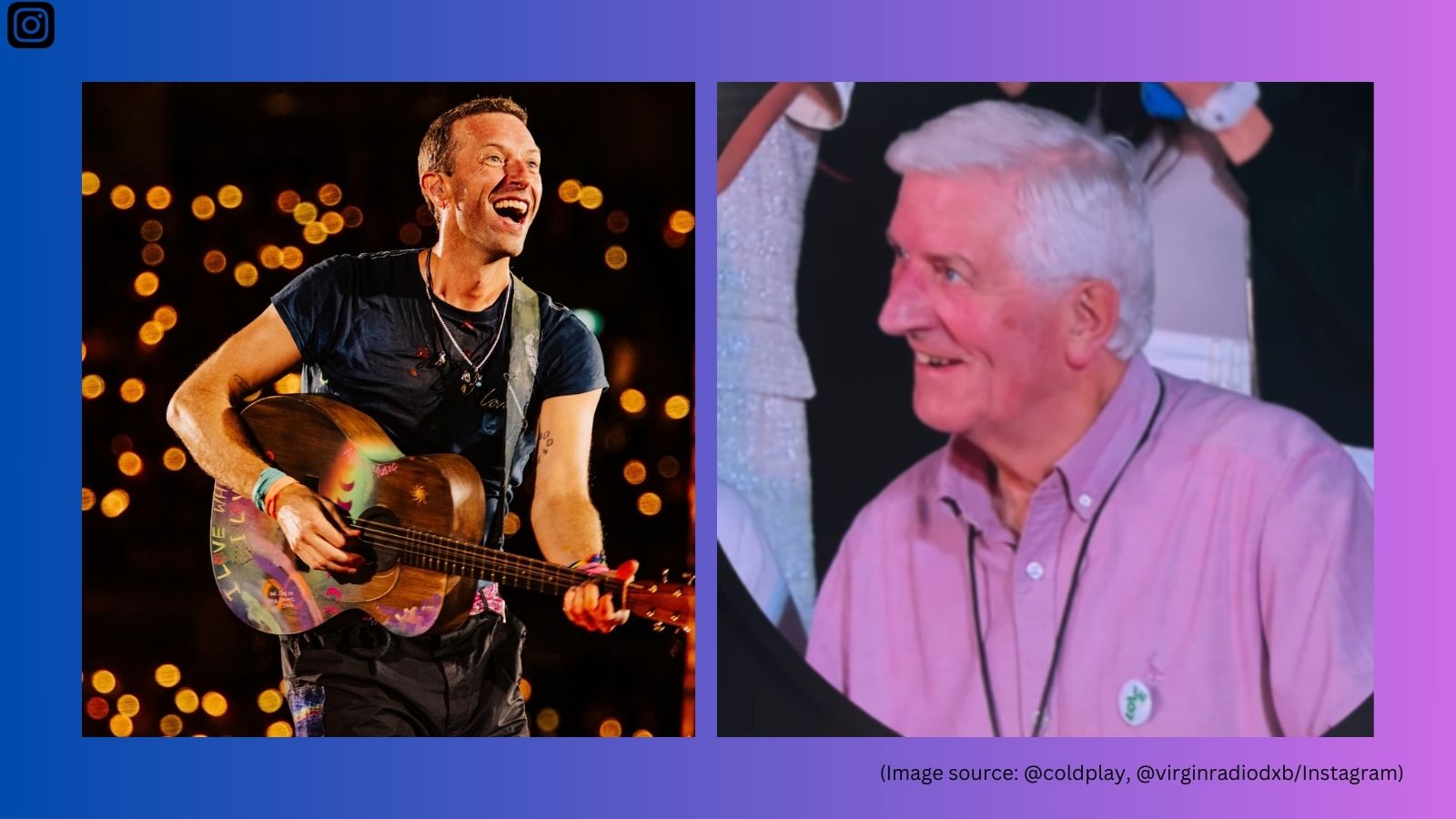
The transformation was immediate. The roar of 60,000 fans gave way to silence so pure it almost seemed fragile. In that stillness, Martin’s voice carried with aching clarity—not the voice of a global superstar, but of a son reaching back across memory and time. Every lyric felt like a conversation with his father, every note a prayer that love could bridge the distance between earth and eternity.
Behind him, the giant LED screens did not flash with colors or pyrotechnics. Instead, they faded into a slow reel of photographs: a boy holding his father’s hand, teenage years spent with a borrowed guitar, moments of laughter that now felt infinite. One fan whispered, “It was like looking at someone’s family album,” and indeed, for those few minutes, the entire stadium was invited into Chris Martin’s living room, witnessing not performance but confession.
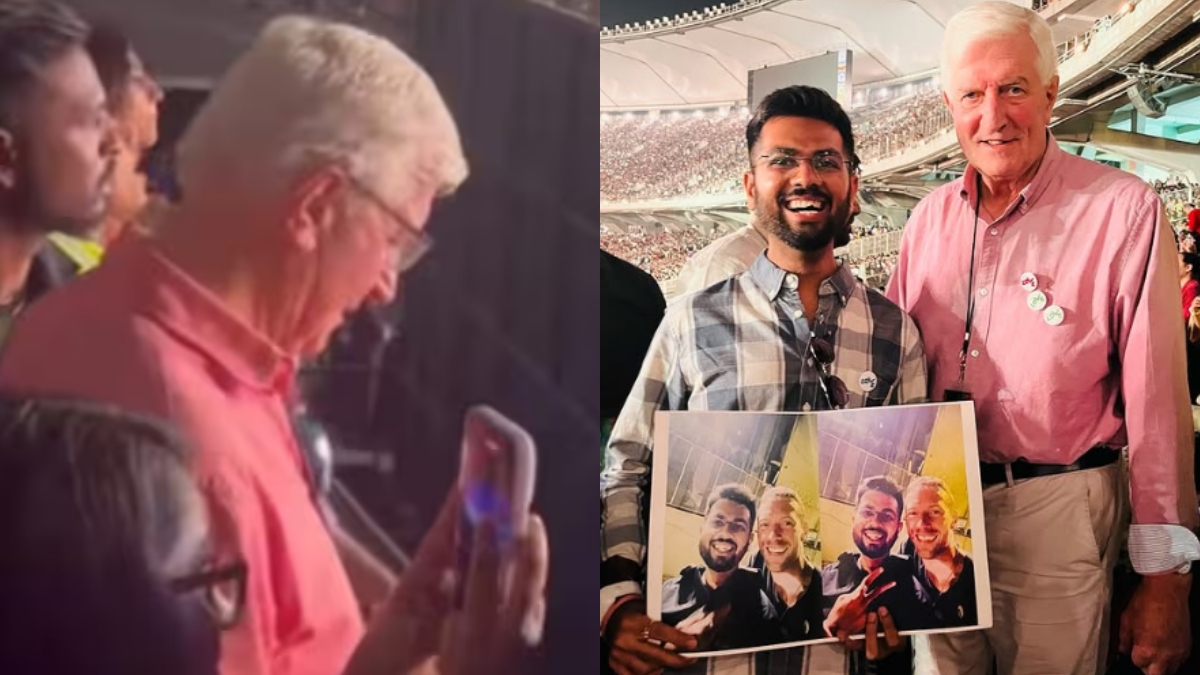
By the final refrain, the audience could no longer hold back. Some sobbed quietly, others clasped the hands of strangers beside them, while phone flashlights rose like candles in a cathedral. Martin closed his eyes, his voice cracking, and let the crowd finish the last line for him. The sound was haunting, 60,000 voices carrying one man’s grief—and turning it into something collective, something healing.

When the final chord lingered in the air, Chris lowered his guitar and whispered, “Thank you, Dad.” He looked out over the crowd, his face wet with tears, and in that moment, there was no barrier between artist and audience, between stage and seats. Only a shared truth remained: that love endures, and that music has the power to give our memories a voice.
Later that night, social media lit up with fans struggling to capture the indescribable. “I’ll never forget this as long as I live,” one wrote. Another simply said: “We didn’t just hear him sing—we felt him grieve, and we grieved with him.”
It wasn’t a spectacle. It wasn’t entertainment. It was something infinitely more human. In silencing a stadium, Chris Martin reminded the world that even in heartbreak, music has the power to gather us closer, to transform tears into connection, and to keep love alive—til kingdom come.