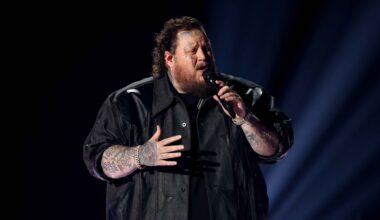
When Richard Goodall walked onto the stage again, the audience didn’t just see a familiar face — they saw a man on a mission. Known as the humble school janitor whose heartfelt rendition of Journey’s “Don’t Stop Believin’” moved millions during his original America’s Got Talent run, Goodall once stood as a symbol of raw, everyday hope. But this time, as he looked out over the crowd and declared, “I don’t need to sing the past — I come to rewrite history,” it was clear that something inside him had changed. He wasn’t returning as a contestant chasing a dream. He was returning as an artist reclaiming his voice.
The audience roared even before the first note. Gone were the flashing lights, backup effects, and glitter of typical TV spectacle. Instead, Goodall stood under a single spotlight — microphone in hand, eyes closed, his expression equal parts peace and power. Then, he began to sing an original song, one he had written himself. The lyrics carried the story of a man who’d been underestimated, who had faced rejection, yet never stopped believing that authenticity was enough. It was emotional, defiant, and unfiltered — the kind of performance that silences a room before it brings it to its feet.
The song — equal parts rock anthem and soul confession — hit differently. Each note trembled with conviction, each word felt like a personal revelation. Goodall’s signature raspy tone, once celebrated for covering classic rock legends, now became a vessel for his own truth. When he reached the chorus, his voice soared with a new kind of freedom — not borrowed from anyone else’s melody, but crafted entirely from his own story. It was the sound of a man refusing to let his identity be defined by comparison.
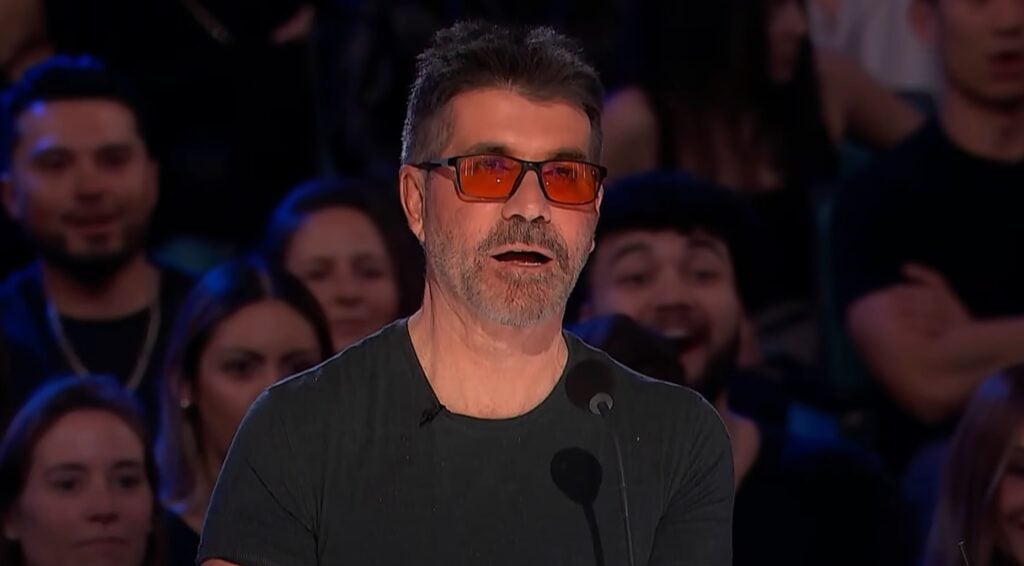
By the time the final chord faded, the studio wasn’t clapping out of pity or nostalgia — they were standing, in awe of the transformation they had just witnessed. The gatekeeper who once represented the everyman dream had just proven that he was more than an inspirational story; he was a legitimate artist with something to say. His return wasn’t just a comeback — it was a reclamation.
In an industry that often rewards imitation over individuality, Richard Goodall’s performance served as a powerful reminder: greatness doesn’t always come from the flashiest voices or the biggest stages. Sometimes, it comes from the quiet resilience of someone who refuses to fade into memory. With his original song, Goodall didn’t just perform — he rewrote his legacy. And as the audience cheered, one truth became undeniable: Richard Goodall wasn’t revisiting his past glory. He was standing on his throne, rewriting what it means to believe.