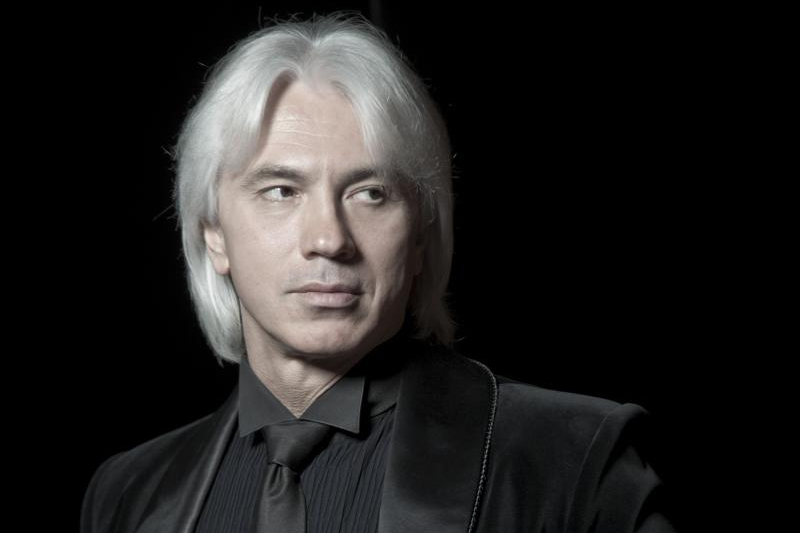
When Dmitri Hvorostovsky sang “Katyusha”, it wasn’t just a song — it was his soul leaving traces of light behind. The great Siberian baritone, already fighting the shadows of illness, gave the melody new meaning: love, longing, and the quiet courage of a final farewell. His silver voice, once powerful enough to shake opera houses, grew tender, fragile, almost human in its breaking. And yet, in that fragility, he became eternal. This wasn’t performance — it was prophecy. “Katyusha” now belongs to him forever, echoing like an immortal hymn carried on the wind.
When the voice became eternal — Dmitri Hvorostovsky sang “Katyusha” as if it were his final goodbye, a soldier’s hymn wrapped in love, exile, and immortality
It was never just a song. For Dmitri Hvorostovsky, “Katyusha” was memory, homeland, and farewell all in one breath. When the great Siberian baritone, already weakened by illness, let his silver voice pour into that wartime melody, time itself seemed to halt. His voice carried not only Russia’s sorrow and fire but also his own — a farewell note, disguised as a folk hymn.

“Katyusha” had always been about distance, longing, and the soldier who may never return. In Hvorostovsky’s trembling yet radiant performance, it transformed into a prophecy of his own leave-taking. The velvet depth that once conquered opera’s grandest stages now softened, vulnerable, breaking hearts with its fragility.

Audiences knew. They clutched their chests, some whispering prayers, others silently crying, as if sensing that this was not merely music — it was Dmitri’s soul ascending note by note.

When he finished, there was silence first, then waves of unstoppable applause, but Hvorostovsky simply bowed, as if saying: remember me not as a man fading, but as a voice that will never die.
And he was right. “Katyusha” remains — not just a song, but his eternal echo.