Stepping into someone else’s spotlight is always a risk—especially when that spotlight belongs to Kelly Clarkson. Her show has built a reputation on powerhouse vocals and emotionally resonant performances, setting a high bar for anyone who takes the reins.
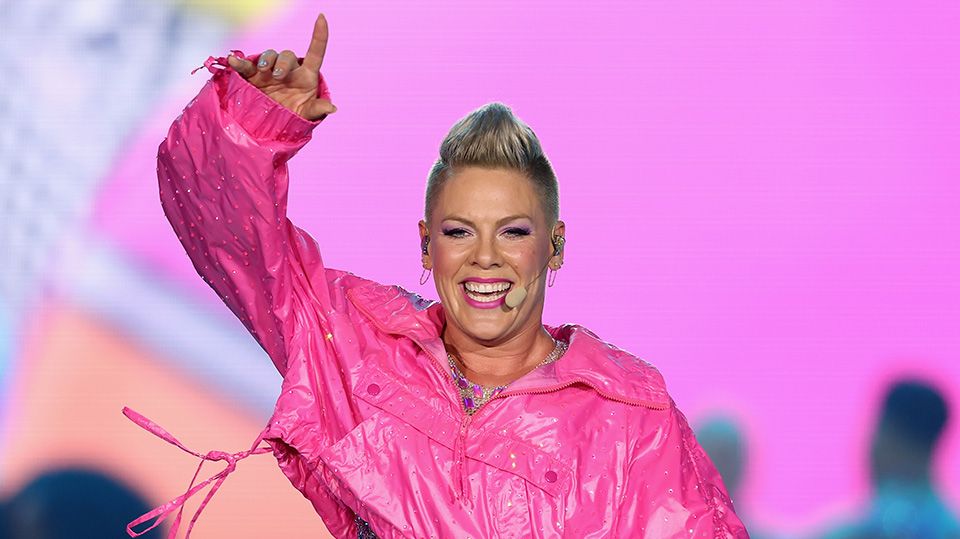
So when Pink stepped in as guest host on The Kelly Clarkson Show, expectations were clear: bring energy, bring personality, and above all, bring the voice.
What no one anticipated was a performance that would transcend the format entirely—one that would spotlight a rising artist, ignite online conversation, and remind viewers what happens when raw talent meets the right song at the right time.
A Bold Choice: Championing a New Voice
Instead of revisiting her own catalog or choosing a familiar classic, Pink took a different route. She selected “Die on This Hill,” a track by emerging artist Sienna Spiro.
It was a strategic—and artistic—gamble.
Daytime TV tends to reward recognition. Known songs, nostalgic hits, and audience favorites are safe bets. But Pink leaned into discovery, using the platform not just to perform, but to introduce.
And that decision changed everything.
Stripping It Down to Its Core
There was no elaborate staging, no dramatic lighting shifts, no distractions.
Just a piano. A microphone. And space.
By removing the usual layers of production, Pink did something deceptively difficult: she exposed the song. Every lyric, every chord, every breath had nowhere to hide.
This kind of minimalism demands control—and confidence.
From the opening lines, she delivered both.
The Anatomy of the Performance
What made the rendition compelling wasn’t just vocal power—it was restraint.
-
Measured beginnings: The first phrases were almost conversational, allowing the lyrics to land before the melody expanded.
-
Gradual escalation: Instead of jumping straight into intensity, she built tension carefully, letting the song evolve.
-
Dynamic precision: Soft passages weren’t weak—they were intentional contrasts to the explosive peaks that followed.
By the time the final chorus arrived, the performance had created its own gravity. The audience wasn’t just listening—they were waiting.
“Those Magic Queen Chords”: Why the Song Feels Different
Part of the intrigue surrounding “Die on This Hill” lies in its structure. Pink pointed out that the chord progression carries a theatrical, almost unpredictable quality—something reminiscent of Queen.
That comparison isn’t casual.
Queen’s music is known for:
-
Unexpected chord shifts
-
Dramatic tonal changes
-
A sense of movement that feels almost cinematic
Spiro’s track taps into that same spirit. The chords don’t simply support the melody—they challenge it, pushing the vocal to adapt and respond.
For a singer, that’s both an opportunity and a test.
The Climb: Where Technique Meets Emotion
As the performance progressed, Pink began to lean into the song’s demands.
Her voice moved from controlled phrasing into a more textured, raspy tone—one of her signature strengths. The transition felt organic, not forced, as if the song itself was pulling the sound out of her.
Then came the moment everything had been building toward:
The high note.
It wasn’t just loud. It wasn’t just sustained.
It was earned.
She held it with a balance of grit and control, allowing the emotion to come through without sacrificing precision. For a brief second, the room felt suspended—no movement, no noise, just the resonance of a single note filling the space.
When the Performer Feels It Too
Great performances often leave audiences emotional. Rarely do we see that emotion reflected back so immediately by the performer.
As the final note faded, Pink didn’t shift into host mode right away. She stayed in the moment—leaning into the piano, visibly moved.
That pause mattered.
It signaled that what just happened wasn’t routine. It wasn’t another segment. It was an experience—even for the person delivering it.
The Internet Reacts: Why It Took Off
Within hours, clips of the performance spread across social platforms, quickly surpassing a million views. But virality alone doesn’t explain why it resonated.
Three key factors drove the reaction:
1. Discovery Meets Validation
Audiences weren’t just hearing a new song—they were seeing it endorsed and elevated by an established artist. That combination accelerates attention.
2. Contrast to Expectations
Daytime TV rarely delivers performances with this level of emotional intensity. The contrast made it stand out instantly.
That climactic note became the clip—the kind of moment people replay, react to, and send to others.
A Turning Point for a New Artist
For Sienna Spiro, the impact goes beyond views.
Moments like this can shift trajectory:
-
A song moves from niche to widely recognized
-
New audiences begin to explore the artist’s catalog
-
Industry attention follows public interest
It’s not just exposure—it’s validation at scale.
And it often starts with one artist choosing to believe in another.
The Bigger Picture: When Platforms Are Used Differently
Pink’s performance highlights something important about modern media platforms: they’re not just stages for promotion—they’re opportunities for curation.
By choosing a lesser-known track and treating it with the same seriousness as a major hit, she reframed the purpose of the segment.
It wasn’t about showcasing herself.
It was about spotlighting the song.
The Takeaway: Why This Moment Matters
In a landscape saturated with content, attention is hard to earn and even harder to keep. Performances like this cut through because they combine three rare elements:
-
Technical excellence
-
Emotional authenticity
-
A sense of discovery
That combination doesn’t just entertain—it lingers.
And for one unexpected segment on The Kelly Clarkson Show, it turned a guest-host appearance into something far more lasting:
A moment where a global star stepped aside just enough to let a song—and its creator—rise.