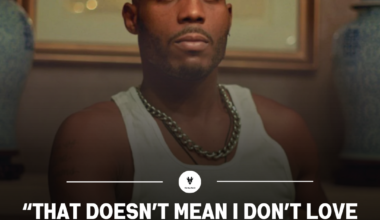
Inside a quiet room in Detroit, far removed from stages, headlines, and controversy, Eminem sat holding something far more fragile than any legacy he had ever built. There were no cameras, no audience, no expectation to perform. Just a moment—still, unguarded, and deeply personal.
For an artist whose career was defined by noise, this silence felt unfamiliar.
The Persona That Changed Everything
In the late 1990s and early 2000s, Eminem didn’t rise through the industry—he disrupted it. Through his alter ego, Slim Shady, he created a voice that was raw, confrontational, and impossible to ignore. That voice came from somewhere real. His upbringing in Detroit wasn’t softened for public consumption—it was exposed, line by line, turning pain into something the world couldn’t look away from.
Slim Shady wasn’t just an artistic choice. It was a way to process chaos, anger, and everything that didn’t have another outlet.
For years, that persona carried him—and at times, consumed him.
A Closing Chapter
By 2024, that identity reached what felt like its final chapter. The release of The Death of Slim Shady wasn’t just another project—it was a deliberate ending. The album dismantled the very character that had defined his career, not with subtlety, but with intention.
What followed was even more unexpected.
Instead of continuing the momentum or leaning further into the legacy, Eminem stepped back. Public appearances slowed. The constant presence faded. The chaos that once surrounded his name gave way to something quieter.
Something controlled.
A Different Kind of Focus
At 53, the shift wasn’t just artistic—it was personal. The man behind the persona, Marshall Mathers, began focusing on something he had spent years protecting but rarely centering: his family.
Inside his Detroit compound, the energy had changed. The urgency, the noise, the constant need to respond—gone. In its place was a stillness that didn’t exist before.
And at the center of it was a moment that reframed everything.
Holding his newborn grandchild, Eminem made a promise—one that wasn’t meant for the public, but carried weight far beyond that room.
He promised that it ends with him.
Breaking The Pattern
The meaning behind that promise is direct, even if the moment itself remained private. The cycles that shaped his early life—the instability, the anger, the unresolved pain—would not continue.
For an artist who built a career by exposing those realities, choosing to stop them represents a different kind of strength.
Slim Shady turned those struggles into sound. Marshall Mathers is choosing to end them in silence.
It’s a contrast that defines where he is now.
A Shift In Legacy
Detroit has always been central to his story. It was the backdrop of his struggle, the place where everything began. Now, it’s where something new is taking shape—not through music, but through intention.
For fans, the shift is complex. The persona that once defined him is gone. The chaos that fueled his work has quieted. And in its place is something less visible, but arguably more significant.
This isn’t about reinvention. It’s about resolution.
What Remains
After decades of turning his life into lyrics, Eminem is no longer trying to explain himself to the world. There’s no need to amplify the past or revisit it through another lens.
Instead, he’s choosing something simpler.
To live differently.
Not every transformation needs an audience. Some moments are meant to stay quiet—carried not through sound, but through action. And for the first time in a long time, Eminem’s story isn’t being told through Slim Shady.
It’s being lived by Marshall Mathers.