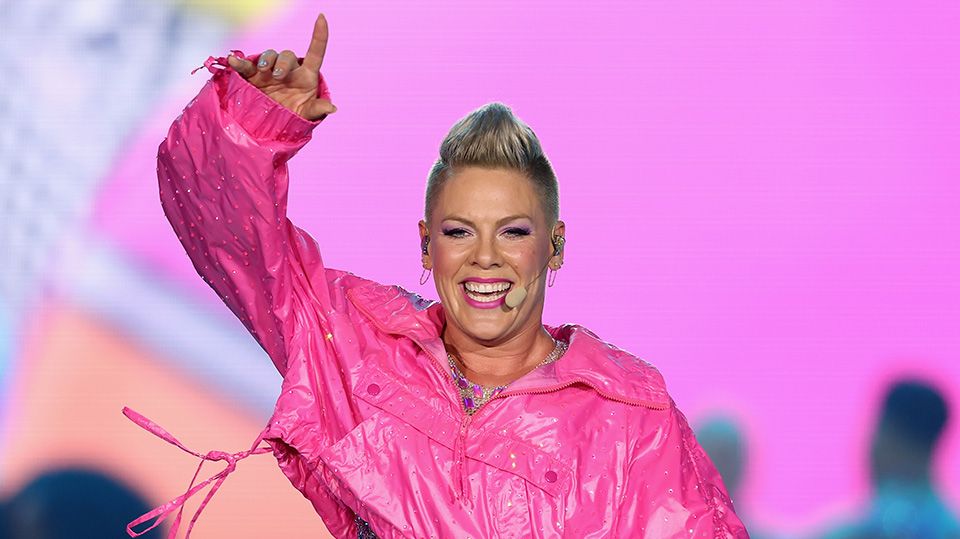
Before Pink became one of the most emotionally fearless voices in modern pop-rock, she was heading down a completely different path — one that reportedly left her feeling trapped inside an image she no longer recognized.
At the beginning of her career, the music industry aggressively positioned Pink as an R&B-pop artist during an era dominated by highly manufactured radio formulas and polished commercial branding. Her debut album found success, but behind the scenes, frustration was reportedly growing fast.
The music was selling.
But it didn’t fully sound like her.
Everything changed the moment Pink entered a studio with legendary songwriter and producer Linda Perry.
According to Perry’s later recollections, their earliest sessions were intensely honest from the start. Perry allegedly sensed immediately that Pink was suppressing her real artistic identity beneath trendy production and label expectations. Then came the blunt observation that would reportedly alter the singer’s entire career trajectory forever:
“You’re hiding behind R&B beats.”
Six words.
And according to those close to the sessions, they hit Pink like a punch to the chest.
Behind the glossy production and carefully packaged image was an artist carrying years of emotional chaos — anger, insecurity, family trauma, rebellion, and vulnerability that had never fully surfaced in her music. Perry reportedly recognized that almost instantly and refused to let her continue performing behind what she viewed as a commercial mask.
Instead, she challenged Pink to strip everything back.
No chasing trends.
No hiding behind production.
Just honesty.
Perry reportedly encouraged her to pick up an acoustic guitar and begin writing directly from personal experience, forcing her to confront emotions she had spent years burying beneath radio-friendly pop formulas. Rather than creating songs built for demographics and marketing meetings, the goal became emotional truth — however uncomfortable it might be.
That shift changed everything.
At the time, Pink was reportedly already deep into work on a heavily funded sophomore album designed to continue the safer R&B-pop direction her label preferred. Industry rumors suggested nearly $1.5 million had already been invested into the project before the entire direction was ultimately abandoned.
Scrapping it was a massive gamble.
For a young artist still early in her career, walking away from a label-approved formula could have easily backfired. But Perry’s influence reportedly pushed Pink toward something more important than commercial safety: authenticity.
Together, they began creating what would eventually become Missundaztood — an album that completely transformed her public identity.
Suddenly, the music sounded raw, messy, sarcastic, emotional, angry, insecure, and painfully real.
Instead of hiding her personal struggles, Pink centered them inside the songs themselves.
Tracks like Family Portrait openly explored the emotional devastation of growing up around divorce and family dysfunction, while Don’t Let Me Get Me confronted insecurity, self-hatred, and the suffocating pressure of celebrity expectations.
The difference was impossible to ignore.
This no longer sounded like an artist trying to satisfy executives.
It sounded like someone emotionally unraveling in public — and listeners connected to that honesty immediately.
Released in 2001, Missundaztood exploded globally, eventually selling more than 13 million copies worldwide and permanently redefining Pink’s career. More importantly, it transformed her from a commercially shaped pop product into one of the most distinctive emotional voices of her generation.
Fans saw themselves in the imperfections.
The anger.
The confusion.
The vulnerability.
At a time when pop music often prioritized perfection and polish, Pink suddenly gave audiences permission to feel messy and human instead.
For Linda Perry, the transformation reportedly happened almost in real time. She later described watching Pink evolve from someone cautiously navigating label expectations into an uncompromising artist fully willing to expose her deepest emotional wounds through music.
And years later, the story behind that brutal six-word confrontation remains one of the clearest examples of artistic reinvention in modern music history.
What started as a harsh studio truth ultimately became the spark that unlocked Pink’s real identity — and changed the course of her entire career forever.
For millions of fans, Missundaztood wasn’t just an album.
It was the moment Pink finally stopped hiding.