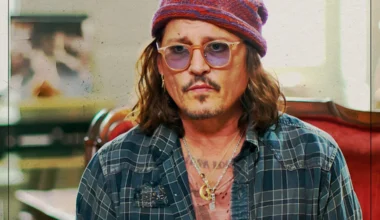
For decades, Alice Cooper built a career on darkness, theatrical horror, and the rebellious spirit of rock and roll. But behind the makeup, the stage theatrics, and the legendary rock-star persona, Cooper says the most important part of his life is something many fans might never expect: his faith in Jesus Christ.
In a candid conversation with pastor Greg Laurie, the legendary shock-rock pioneer reflected on his struggles with addiction, the turning point that changed his life, and why becoming a Christian never meant walking away from the music that made him famous.
When Laurie asked Cooper who Jesus Christ was to him, the musician gave an answer that captured the heart of his beliefs.
“He’s the core of everything. He’s life itself. He’s the light.”
For a man whose public image has long been associated with theatrical darkness, those words offer a revealing glimpse into the personal convictions behind the stage character.
THE MAN BEHIND THE SHOCK-ROCK LEGEND
Alice Cooper became famous for challenging expectations.
With dramatic makeup, elaborate stage productions, and a sound that blended hard rock with theatrical spectacle, he helped establish a new kind of rock performance. His shows blurred the line between a concert and a horror production, making him one of the most recognizable figures in the history of shock rock.
But the Alice Cooper audiences saw onstage was not the whole story.
In his conversations with Greg Laurie, Cooper has spoken openly about growing up in a Christian household. His father was a pastor, and his grandfather was an evangelist.
Faith was part of his early life, even as his musical career took him into a world of celebrity, touring, and excess.
The contrast between those two worlds became an important part of his personal journey.
Cooper did not become famous by presenting himself as a conventional religious figure. He built his career by embracing a theatrical character that deliberately played with fear, darkness, and controversy.
Yet he has repeatedly explained that his stage persona and his personal beliefs are not the same thing.
WHEN FAME DIDN’T MEAN FULFILLMENT
Success brought Cooper the life many aspiring musicians dream about: a successful career, worldwide recognition, and access to the glamorous side of the entertainment industry.
But his own account of those years includes serious struggles with alcohol and drugs.
His experience is a reminder that public success and private fulfillment are not necessarily the same thing. A person can reach extraordinary professional heights while still struggling with problems that fame cannot solve.
Cooper has described a period when his drinking and drug use became dangerous and his marriage was in trouble. The life surrounding his rock-star identity had reached a point where something needed to change.
In conversations with Laurie, Cooper has spoken about recognizing that he could not continue on the same path indefinitely.
His recovery became a turning point—not because his musical identity disappeared, but because he began rethinking what mattered most.
THE TURNING POINT THAT CHANGED HIS DIRECTION
Cooper has credited his Christian faith with helping him turn away from addiction and rebuild his life.
He has described returning to church and reconnecting with the beliefs that had been part of his upbringing. In his telling, the experience was not simply about changing a few habits. It was about changing the direction of his life.
That distinction matters.
Recovery can involve many different forms of support, and Cooper’s story is his personal account of what helped him. He has consistently placed his relationship with Christ at the center of his explanation.
His story also reveals why he is willing to discuss difficult chapters of his past publicly. He sees those experiences as part of the journey that brought him to a different understanding of faith, family, and responsibility.
Rather than hiding the contrast between his past and present, he has used it to explain why his beliefs matter to him today.
“HE’S THE CORE OF EVERYTHING”
The most striking moment of Cooper’s conversation with Laurie came when the pastor asked him directly about Jesus Christ.
Cooper’s answer was immediate and personal.
“He’s the core of everything. He’s life itself. He’s the light.”
He went on to explain that, in his understanding, Christ should be at the center of a person’s life rather than treated as one more interest competing for attention.
For Cooper, faith is not simply a label attached to his public identity. It is the foundation through which he understands the rest of his life.
That includes his career, his family, and the person he is when he is no longer performing beneath the stage lights.
His answer is especially striking because Cooper has spent so much of his career playing with images of darkness. The theatrical character may frighten, shock, or provoke an audience, but his personal explanation of faith points toward something entirely different.
It is a distinction he has made repeatedly: the stage character is part of his profession, while his relationship with Christ defines his personal priorities.
HE DIDN’T BELIEVE HE HAD TO ABANDON ROCK AND ROLL
One of the most interesting parts of Cooper’s testimony is what he says faith did not require him to do.
He did not believe becoming a Christian meant giving up his career or pretending to be someone else.
As Cooper explained it, the message was:
“Now you’re a Christian, go be in a rock and roll band, but follow me, be Alice Cooper.”
That idea sits at the center of his story.
Cooper did not suddenly stop being a rock musician. He continued performing, recording, and maintaining the theatrical identity that audiences recognized. What changed, according to his account, was the way he understood his priorities and the role his faith played in his life.
His experience challenges the assumption that a person’s profession must always reflect every aspect of their private identity.
For Cooper, being a Christian and being a rock performer are not mutually exclusive. He believes he can continue doing the work he loves while living according to the convictions he holds most important.
THE DIFFERENCE BETWEEN THE STAGE CHARACTER AND THE PERSON
The Alice Cooper character is designed to command attention.
The makeup, costumes, dramatic props, and carefully constructed atmosphere are all part of a performance style developed over decades. The theatrical villain is a recognizable element of the show.
But Cooper has often distinguished that character from the person behind it.
In his conversations about faith, he has described his identity in an order that places his relationship with God before his career.
That does not mean the music is unimportant. Rock and roll remains his profession and a central part of his life. It means that, in his view, fame is not the ultimate measure of who he is.
The distinction also helps explain how Cooper can maintain a dramatic stage persona without seeing it as a contradiction of his Christian beliefs.
A performer can portray a character without claiming that the character represents every part of the person.
For Cooper, that separation is essential to understanding his life and work.
FAMILY, FAITH, AND A DIFFERENT SET OF PRIORITIES
Cooper has also spoken about the importance of family and faith in his life.
After years in an industry often associated with excess, he has described his priorities differently from the way his public image might suggest.
His reflections emphasize that the biggest changes in his life were not simply about his career. They involved the relationships and commitments that continued beyond the stage.
That perspective is one reason his story resonates with people who may have little interest in shock rock itself.
The details of his life are unusual, but the underlying questions are familiar: What matters when success is no longer enough? How does someone change direction after years of destructive habits? And how can a person remain true to their identity while changing the way they live?
Cooper answers those questions through the lens of his Christian faith.
His conclusions are personal, but his willingness to speak honestly about his struggles gives the conversation a human dimension that extends beyond his reputation as a rock legend.
USING HIS EXPERIENCE TO HELP OTHERS
Cooper’s faith has also influenced his work outside the music industry.
He helped establish Solid Rock, a nonprofit organization in Arizona that supports young people through creative programs and mentorship. The organization reflects his stated interest in helping young people find constructive outlets and develop their talents.
This work adds another dimension to his story.
The same person who became famous for an outrageous stage character has also devoted time and effort to a project aimed at supporting young people in his community.
Cooper has discussed his faith and his desire to help others as connected parts of his life. His experiences with addiction have shaped how he speaks about the risks young people face and the importance of finding direction and support.
His career is still associated with theatrical excess, but his personal priorities extend beyond the entertainment world.
WHY HIS STORY STILL SURPRISES PEOPLE
There is an obvious contrast between Alice Cooper’s public image and the way he describes his beliefs.
The man who built a career around horror-inspired imagery speaks about Jesus Christ as the center of his life. The performer known for dramatic stage productions emphasizes faith, family, and personal responsibility.
That contrast can surprise people who assume that an artist’s stage persona tells the entire story.
But Cooper’s life demonstrates that public image is not always a complete guide to private conviction.
He has never needed to erase his musical history to explain his beliefs. Instead, he presents his faith as the foundation that allows him to understand his career in a different way.
His testimony is not that rock and roll disappeared from his life. It is that he found a way to continue performing while placing greater importance on the things he believes matter most.
A MESSAGE THAT GOES BEYOND THE SPOTLIGHT
Cooper’s conversation with Greg Laurie touches on themes that extend far beyond music.
Fame can bring opportunities, but it cannot guarantee peace. Success can create possibilities, but it cannot automatically resolve personal struggles. And a public identity, no matter how powerful, does not necessarily explain what gives a person meaning.
Cooper’s answer is rooted in his faith.
He believes that his relationship with Christ gives his life direction and that his career can continue within that framework.
Not everyone will share his beliefs, but understanding his perspective helps explain the personal transformation he has described over the years.
His story is not simply about a rock musician who became religious. It is about a man who says he faced a destructive period in his life, found a new direction, and chose to keep working in the profession he had built.
ALICE COOPER IS STILL ALICE COOPER
Perhaps the most revealing part of Cooper’s message is that he does not describe his faith as the end of his identity as a rock performer.
He still takes the stage. He still performs the songs. He still embodies the dramatic character that audiences have recognized for generations.
But he says those things occupy a different place in his understanding of himself.
His career is important, yet it does not come first.
That is the meaning behind his insistence that he can continue to be Alice Cooper while following Christ. He does not see the two identities as enemies. He sees his music as the work he does and his faith as the foundation of his life.
For a performer whose career has been defined by challenging expectations, that may be one of the most personal revelations he has shared.
Behind the makeup and the spectacle, Alice Cooper says he has found his center—and for him, that center is faith. 🙏🤘