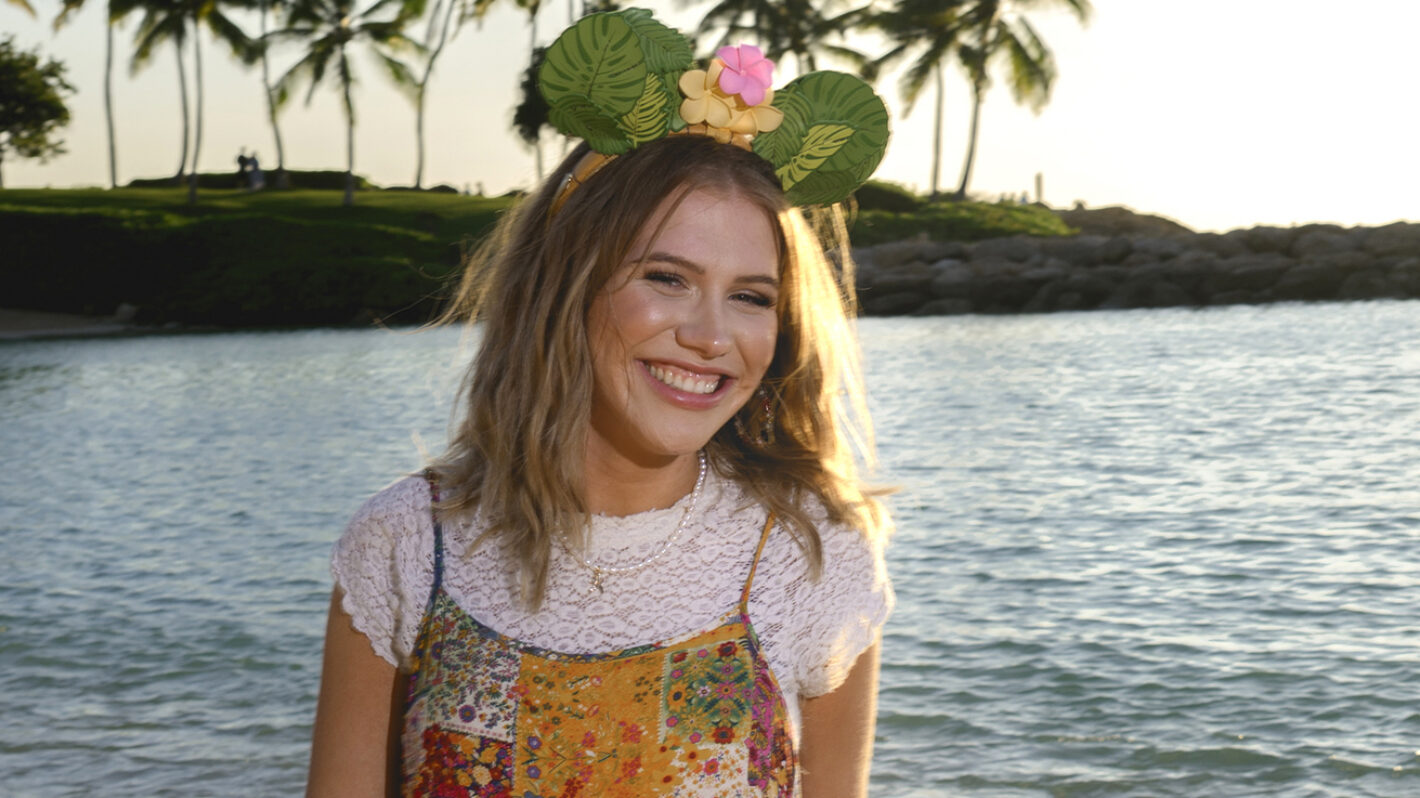
Winning American Idol can turn a talented singer into a household name, but Hannah Harper’s story raises a more interesting question: What happens when a contestant arrives on television with years of musical experience, a family shaped by country music, and a sound that cannot easily be manufactured? Her rise offers a compelling reminder that some artists do not discover their musical identity on a competition show. They bring it with them, and the show gives the world a reason to listen.
Harper’s recent performance of Dolly Parton’s “9 to 5” at Dollywood has brought renewed attention to her country roots. Released as “9 to 5 (Live From Dollywood)” on October 23, 2026, the recording connects her growing career to one of country music’s most recognizable songs. But the more revealing part of Harper’s journey began long before she stepped into the spotlight on American Idol.
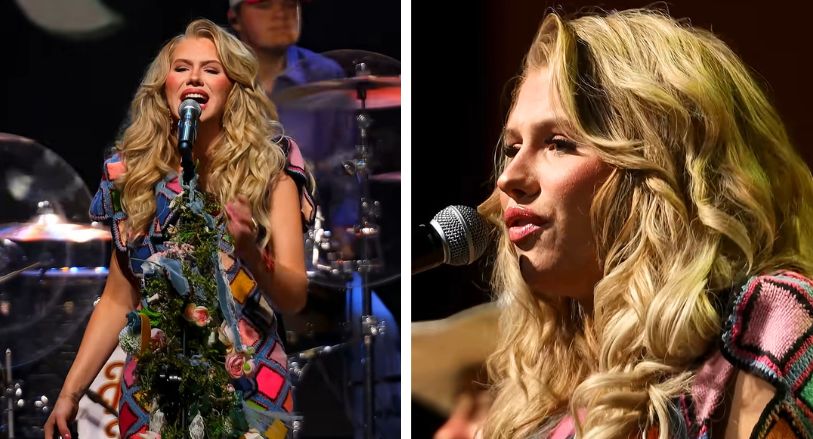
Growing up in southern Missouri, Harper was surrounded by music through her family’s traveling bluegrass band. That early experience gave her an introduction to performing that many reality competition contestants have to develop later. Rather than entering the industry with only a dream and a microphone, she had already spent years learning what it meant to perform for audiences and make music part of everyday life.
Bluegrass and traditional country demand more than a recognizable voice. Singers have to understand phrasing, timing, melody, and the subtle ways a performance can communicate emotion without relying on elaborate production. Growing up around that musical tradition can provide a foundation that becomes especially valuable when a performer eventually faces the pressure of a national television audience.
Harper’s background also helps explain why her country identity has remained central as her career has expanded. In a competition where contestants can be tempted to reinvent themselves with every performance, having a clear sense of who you are as an artist can make a difference. Viewers may be impressed by a single powerful note, but a recognizable musical personality gives them a reason to keep following someone after the voting ends.
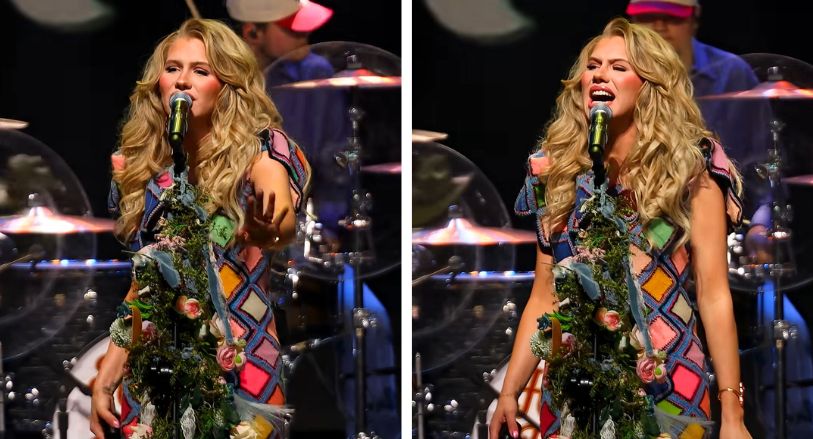
Her path was not a conventional journey toward stardom, either. Before American Idol, Harper was a stay-at-home mother raising three young boys with her husband, Devon Mendenhall. Music was part of her life, but pursuing it professionally meant navigating responsibilities that did not disappear simply because an opportunity to audition came along.
That is an important distinction in the story of a contestant’s success. Television audiences usually see the finished performance: the stage lights, the microphone, the judges’ reactions, and the result at the end of the episode. They rarely see the years of experience and personal decisions that make it possible for someone to stand there in the first place.

During Harper’s American Idol journey, Mendenhall left his law enforcement job to care for their children while she pursued the competition. The family has since traveled together as her music career has developed. Their circumstances illustrate how a television opportunity can become a major family undertaking, requiring more than the contestant’s willingness to take a risk.
It also gives Harper’s success a different meaning from a typical overnight-breakout story. Her appearance on American Idol was a major opportunity, but it did not erase the life she had built before the show. Instead, it created a new route through which she could continue pursuing music while her family adjusted alongside her.
Her May 2026 victory marked a major milestone, yet the opportunities that followed suggest that the competition was a beginning rather than an endpoint. Harper has started opening for established country performers, including Brad Paisley and Lauren Alaina. Those opportunities place her in front of audiences who may know the headliners but are only beginning to discover her own music.
Performing alongside established artists can be an important test for a rising singer. A television audience might encounter a contestant through a carefully produced sequence of performances, but a concert crowd brings different expectations. The artist has to establish a connection with listeners who may not have tuned in to the competition, making each live appearance an opportunity to build a following beyond the show’s existing audience.
Harper also made her Grand Ole Opry debut in June 2026 alongside American Idol judge and former winner Carrie Underwood. For a singer raised around bluegrass and country music, that milestone connects her early musical influences with one of the genre’s most recognizable performance institutions. It is another sign that her post-competition career is developing within the country music world she has long been connected to.
The Dollywood performance adds a particularly meaningful dimension to that progress. Parton opened the Tennessee theme park in 1986, and Harper visited the country legend’s dressing room before recording her live cover in early October. Harper later described the experience on Instagram as an honor to stand in the space of a woman who had paved the way for so many dreamers.
Parton’s “9 to 5” is not an ordinary song to take on. Originally recorded for the 1980 comedy film of the same name, starring Parton alongside Lily Tomlin and Jane Fonda, it became a defining moment in the singer’s career. Released in 1981, the track reached No. 1 on the Billboard Hot 100, making it Parton’s first chart-topper on that ranking.
Covering a song with that kind of history creates a challenge for any young artist. Listeners already know the original, and many have strong emotional connections to Parton’s voice and the recording itself. A successful interpretation needs to respect what made the song memorable while allowing the performer’s own identity to come through.
Harper’s decision to perform the song at Dollywood gives the recording a setting that carries meaning beyond the music alone. Rather than treating the cover as just another familiar hit, she placed it in a location closely associated with Parton’s legacy. That choice makes the performance feel connected to the artist who inspired it, while also introducing Harper to listeners who may be discovering her through the tribute.
The response has included praise from listeners and support from Dollywood’s official social media team, which congratulated Harper and said the recording would be on repeat. Such reactions show that the performance has found an audience, although its longer-term impact on Harper’s career remains to be seen.
There is a broader lesson in her trajectory. American Idol can provide a powerful introduction, but contestants still need to establish what makes them distinctive once the television cameras move on. Harper has several elements working in her favor: a background in bluegrass, experience performing before the competition, a family committed to supporting her journey, and a musical tradition that gives her a clear artistic starting point.
None of that guarantees lasting success in a competitive industry. She will still need strong original songs, consistent performances, and opportunities to connect with listeners on her own terms. But her story suggests she is building on more than the momentum of a television victory.
For me, that is what makes Harper worth watching. Her connection to traditional country music gives her a foundation, while her growing list of live opportunities gives her room to develop beyond the identity of an American Idol contestant. The most exciting chapter may not be the moment she won the competition, but what she chooses to do with the attention it brought her.
As Harper continues her journey, the question is whether audiences will come to recognize her as more than the singer who won American Idol or paid tribute to Dolly Parton at Dollywood. Can she turn her bluegrass roots, country influences, and growing live experience into a lasting career of her own? For fans following her progress, that is the next milestone worth watching.