Sophia Liano may have lost her place on The Voice, but her Battle Round performance has arrived at a moment when the competition is about to become even more unforgiving. After sharing a heartfelt message following her elimination, the Florida singer has given supporters a glimpse of what comes next, while her departure highlights a difficult reality for the remaining contestants: even an impressive performance may not be enough to survive the show’s next stage.
Liano faced 16-year-old Mia Knight during the October 26 episode, with both Team Queen Latifah artists tackling “Never Enough” from The Greatest Showman. The song demands considerable vocal power and emotional commitment, making it a formidable choice for two singers hoping to prove they belong among the season’s strongest performers. Their duet impressed all four coaches, but only Knight received the opportunity to continue with Queen Latifah.
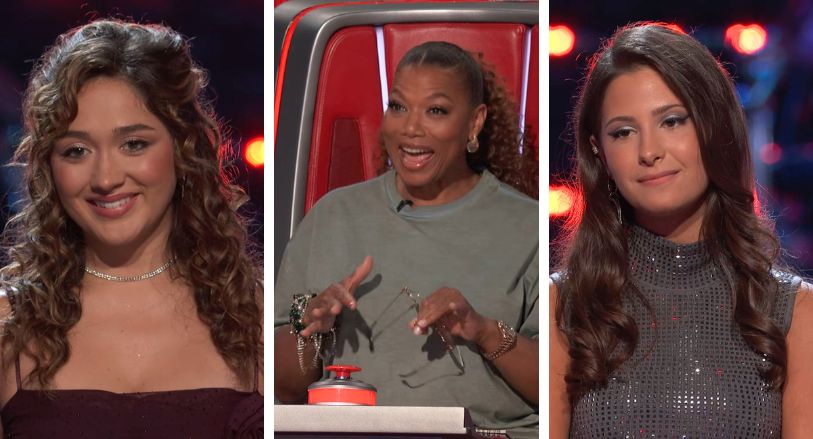
What makes Liano’s exit particularly noteworthy is the timing. Season 30 has introduced a demanding Cut Week format that will force the remaining artists to fight for their places in the Live Shows. The Battles have now concluded, and the coaches must make difficult decisions about which singers deserve to continue. For contestants such as Knight, surviving the Battle is an important achievement. For those sent home, the same moment can become a reminder of just how narrow the path to success really is.
Liano’s social media message was brief, but its focus was clear. Rather than publicly challenging her coach’s decision, she thanked NBC’s The Voice for the opportunity and expressed gratitude to Queen Latifah. She also encouraged followers to keep up with her music and future journey, suggesting that the end of her competition experience does not mean the end of her ambitions as a singer.
That response offers a different perspective on an elimination that has generated disagreement among viewers. Reality television often makes the winner of a musical matchup the center of attention, while the losing contestant becomes part of the show’s weekly departure list. Yet Liano’s decision to point supporters toward her future music gives her story a second chapter beyond the televised result.
The Battle itself demonstrated why the decision was so difficult. Liano and Knight brought different strengths to “Never Enough,” a song that leaves little room to hide behind a restrained arrangement. Both had to balance the emotional demands of the material with the technical challenge of delivering a performance powerful enough to impress a panel of experienced musicians.
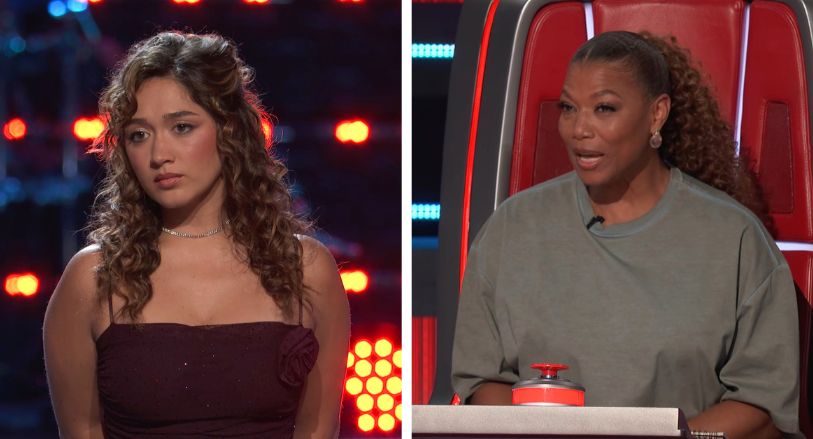
Riley Green described the performance as shocking, saying he had never heard anything quite like what the two singers delivered. Adam Levine also praised the pair, while Kelly Clarkson was visibly impressed by Knight’s vocal run. Queen Latifah, meanwhile, had already experienced the singers’ potential during rehearsals, when their preparation left her impressed.
Patti LaBelle, who served as Team Queen’s Battle advisor, was especially taken with Knight’s voice. She compared the teenager’s potential to that of legendary vocalists Barbra Streisand and Celine Dion, setting an exceptionally high bar for a singer who is still in her teens.
Knight’s age became an important part of the discussion. Levine praised the maturity of her vocal delivery, while Clarkson said the contest had been close until Knight’s final run shifted the balance for her. Those observations help explain why Latifah ultimately selected the younger singer, even though Liano also earned praise for her tone and vocal ability.

Latifah’s explanation centered on confidence and command of the stage. She felt Knight performed as though she owned the microphone and understood exactly what she wanted to communicate through the song. The coach also reflected on her own early career, noting that her first record came out when she was 17. In Knight, she saw a young performer who was ready for the next opportunity.
That decision is easier to understand when viewed through the particular demands of a singing competition. Coaches are not simply choosing the person who produces the most impressive individual note. They are making a judgment about which artist they believe can continue growing, handle new material and deliver under pressure in the rounds ahead.
However, viewers who preferred Liano’s performance were evaluating the same matchup through a different lens. Some believed her delivery was more consistent throughout the song, while others felt Knight’s vocal embellishments made the difference only toward the end. Several commenters also questioned why none of the other coaches used a Steal to keep Liano in the competition.
Those reactions illustrate the difficulty of comparing two strong singers who approach the same material differently. One performance may feel more controlled and consistent, while another builds toward a dramatic climax that leaves a stronger final impression. Neither preference is automatically the correct one, and the coaches’ decisions inevitably reflect individual musical tastes as well as their assessments of each artist’s potential.
Liano’s departure also arrives as The Voice prepares for one of its most consequential stages this season. According to the announced Season 30 format, each coach will advance two artists directly to the Live Shows during Cut Week, while the remaining five members of that team compete for one additional place. After the Top 12 is determined, viewers will vote one more artist into the Live Shows, creating a Top 13.

That structure raises the stakes for every contestant still in the running. Instead of simply surviving a head-to-head Battle, the artists must now demonstrate why they deserve a place among the few who will perform when the competition reaches its live stage. A strong vocal performance will remain important, but consistency, song choice, stage presence and the ability to connect with viewers could prove equally significant.
Knight will need to demonstrate that she can build on the strengths that earned her victory over Liano. Her range and vocal control have attracted considerable praise, but the next round will provide another test of whether she can turn those qualities into consistently compelling performances. Being selected by Latifah is a promising step, not a guarantee of success.
For Liano, the challenge is different. She no longer has the show’s platform to help introduce her to a national television audience each week, but her message gives supporters a clear reason to continue following her career. The next stage will depend on the music she releases, the opportunities she pursues and whether she can turn the attention surrounding her Battle into lasting momentum.
In my view, Liano’s most important move may be the one she has already made: directing attention toward her future rather than allowing a single competition result to define her. The Voice can provide exposure, coaching and a valuable opportunity to perform, but it cannot be the only measure of an artist’s potential. For a singer who has already demonstrated that she can stand onstage beside another talented performer and earn praise from all four coaches, there is still room to build something beyond the show.
Meanwhile, Knight faces an opportunity that could change the direction of her season. Her Battle victory has carried her into Cut Week, where the margin for error will become even smaller. Whether she can capitalize on that opening remains to be seen.
Do you think Queen Latifah made the right decision by choosing Mia Knight, or should Sophia Liano have advanced instead? And will Liano’s next chapter outside The Voice ultimately prove that her journey is only beginning?