For years, The Voice has relied on a familiar formula to take contestants from hopeful auditionees to potential champions. But Season 30 is throwing that approach out of the window, and the changes could make this year’s competition one of the most unpredictable in the show’s history.
With the introduction of Cut Week, the return of six weeks of live performances, and new ways for viewers to support their favorite singers, NBC is giving audiences a much bigger role in deciding who stays and who goes. And there is one particularly interesting twist: viewers will no longer have to wait until a separate results episode to discover whether their favorite contestant has survived.

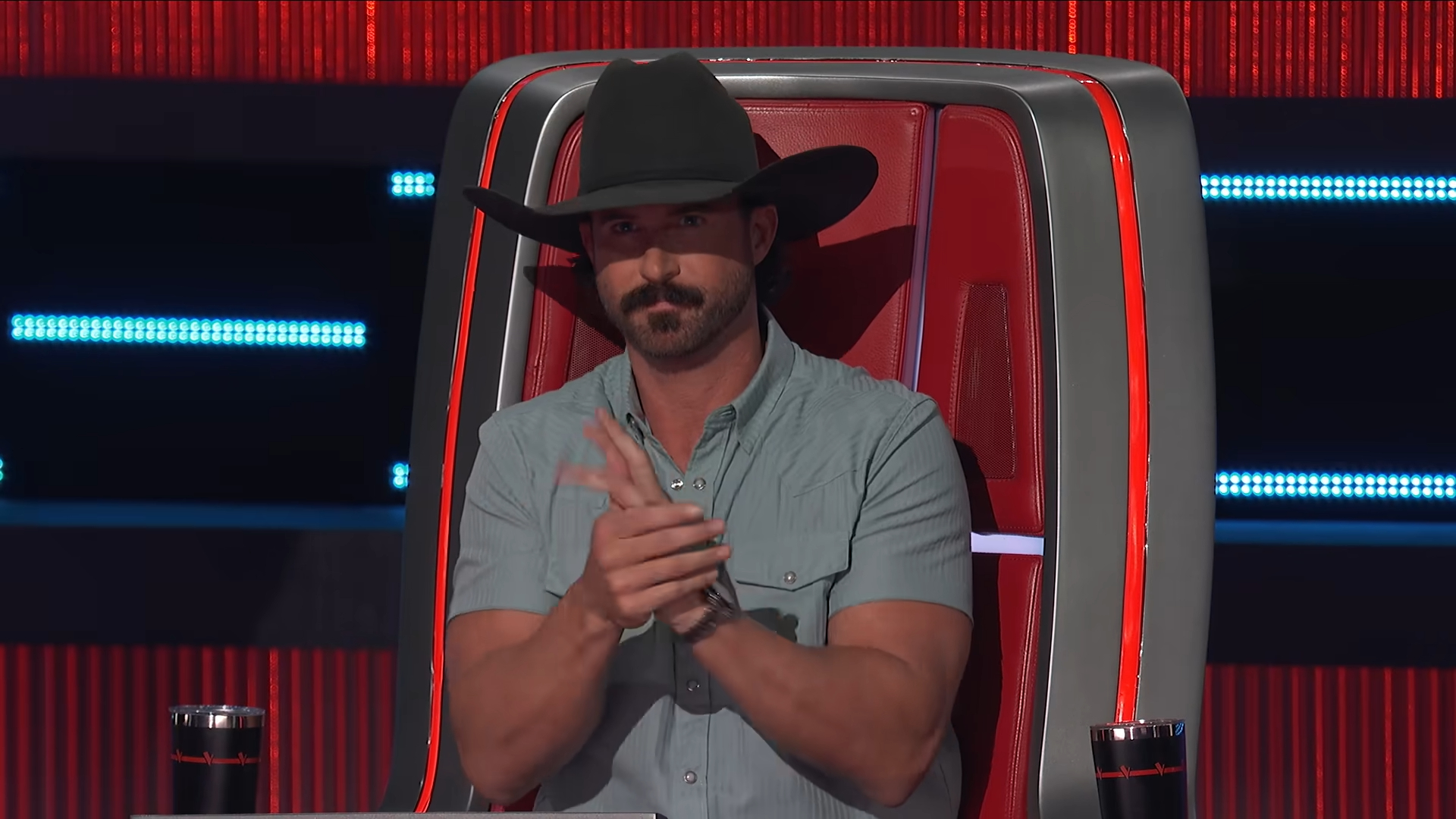
Season 30 has already brought several major changes to the long-running singing competition. The coaching panel features Kelly Clarkson, Adam Levine, Queen Latifah, and country star Riley Green, while the show has also introduced a new audition advantage called the First In Button. However, it is the changes to the competition’s later stages that could have the biggest impact on the eventual winner.
The most dramatic development arrived with Cut Week, a brand-new round replacing the traditional Knockouts. Rather than gradually reducing the number of contestants over several episodes, the show introduced an elimination process that sent more than half of the remaining singers home in a single night.
The scale of the change was significant. Each coach entered Cut Week with seven artists, meaning 28 contestants were still hoping to secure a place in the Live Shows. However, only three singers from each team were guaranteed a spot through their coach’s decisions.
The first two selections were made before the remaining artists competed for the final team position. Each coach then watched five contestants perform before choosing just one more singer to advance.
That left 12 artists officially selected by their coaches, but the competition was not quite finished. America received an opportunity to vote for one additional contestant, bringing the total number of artists heading into the Live Shows to 13.

It was a particularly important change because the public’s influence was no longer limited to watching performances and discussing which contestants deserved to win. Viewers were now directly involved in deciding which singer would receive another opportunity.
The November 2 episode demonstrated just how difficult these decisions could become. Among the artists selected by their coaches were Lexi Stephens and Connor Closs from Team Adam Levine, Koumba Diallo and Anna McElroy from Team Kelly Clarkson, Mia Knight and BigCountry from Team Queen Latifah, and Cade Mower and Ferryn & Brinkley from Team Riley Green.
The remaining places were decided through additional performances and coaching decisions. The result was a dramatically reduced competition, with 16 other singers left hoping to receive America’s final save.
But the biggest question surrounding Season 30 may not be which coach makes the best decisions. It could be whether the show’s new voting system gives viewers enough influence to change the direction of the competition.
NBC has introduced text voting and TikTok voting, giving audiences additional ways to support the artists they want to see advance. The introduction of TikTok voting is particularly interesting because it brings the competition into a platform where music performances and short-form videos already attract enormous audiences.
This could create new opportunities for contestants who connect with viewers beyond their television performances. A memorable vocal moment, an emotional song choice, or a performance that audiences want to share could help an artist attract attention from people who might not regularly watch the show.
Of course, popularity on social media does not automatically translate into winning a singing competition. Contestants still need to demonstrate their vocal ability, versatility, and consistency. Nevertheless, giving viewers more ways to participate could make audience engagement an increasingly important part of the journey.

There is also a significant difference in how the show plans to handle its Live Shows.
Traditionally, viewers have often watched contestants perform before returning for a separate results episode to discover who received enough votes to continue. Season 30 is moving away from that familiar arrangement.
Instead, the competition will use real-time voting, with results revealed on the same night as the performances. Executive producer Audrey Morrissey explained the approach in an interview with TV Insider, describing a system in which everyone performs before the show reveals who is moving forward.
That means contestants will have to make an immediate impression. There will be less separation between the excitement of watching a performance and the pressure of discovering its outcome.
For viewers, this could make every episode feel more consequential. A performance that captures attention early in the evening could influence voting decisions, while a contestant delivering a memorable moment later in the broadcast may have a different advantage.
It also raises an interesting question about song selection. Should contestants choose familiar songs that encourage viewers to sing along and connect emotionally, or should they take risks with unexpected arrangements that demonstrate their individual artistry?
There is no guaranteed answer. A technically impressive performance might not always create the strongest emotional connection, while a simpler arrangement could become the moment viewers remember long after the episode ends.
The show’s decision to bring back six weeks of Live Shows makes those questions even more important. Rather than treating the final stage as a brief conclusion to the competition, Season 30 is placing a greater emphasis on repeated live performances and audience participation.
NBC has also announced special themed episodes, including a Dolly Parton tribute, a Y2K-themed night, and a TikTok-themed episode. These themes could give contestants opportunities to demonstrate different sides of their musical identities instead of relying on one particular style throughout the competition.
The Dolly Parton tribute, in particular, could be an interesting challenge for singers across different genres. Her catalog includes country classics, emotional ballads, and songs that have reached audiences well beyond country music. The contestants will need to find ways to respect the original material while making their interpretations memorable.
The Y2K and TikTok-themed episodes could create a completely different atmosphere, potentially rewarding artists who are comfortable experimenting with contemporary sounds and recognizable modern hits.
Another major change is the show’s first-ever simulcast of its Live Shows on NBC and Peacock across all time zones. This gives viewers additional flexibility in how they watch the competition and participate in its live format.
Taken together, these developments suggest that NBC is trying to make the audience feel more involved in the competition than ever before.
However, the changes also introduce a new challenge for the contestants. Singing well is no longer the only part of the equation. They must build a connection with viewers, establish an identity, and deliver performances that make people want to keep supporting them.
That could benefit artists with distinctive musical personalities, but it also makes predicting the eventual champion considerably harder. A contestant who looks like an obvious favorite during the earlier rounds might face an entirely different challenge once the audience takes control.
And that is perhaps what makes Season 30 so interesting. The coaches still have considerable influence, but their decisions will eventually give way to the viewers who determine which artists continue their journeys.
In my view, this is one of the most interesting format experiments The Voice has introduced in recent years. The biggest test will be whether the new system produces more exciting television while still allowing talented singers to receive the recognition they deserve.
The Live Shows begin November 9, and the season is scheduled to conclude with its finale on December 14. With 13 artists preparing to compete, the real battle for the title is about to begin.
But what do you think? Does The Voice’s new Cut Week and real-time voting system make the competition more exciting, or would you rather see the show return to its traditional Knockout and results-round format? And most importantly, should viewers have even more power in deciding who becomes the next champion?