For the first time in The Voice’s 30-season history, a coach’s decision is not the only thing standing between an eliminated contestant and the Live Shows. Season 30’s new Cut Week format has given viewers an opportunity to bring one singer back into the competition, turning a group of 16 disappointed artists into a final group of contenders — and making the audience’s influence more important before the live stage even begins.
That twist may end up being one of the season’s biggest talking points. While the November 2 episode confirmed 12 artists chosen by their coaches, the competition was not completely settled when the credits rolled. One additional place in the Top 13 was reserved for an artist selected by America’s vote, meaning the singers who missed out on a guaranteed spot still had something to fight for.
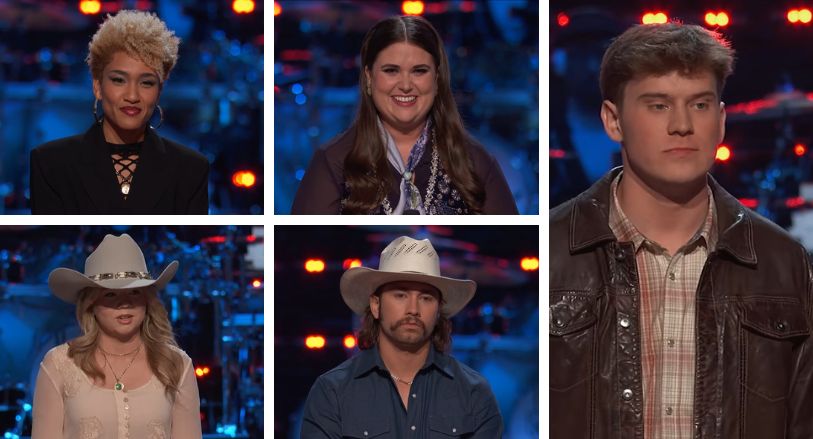
The change is significant because Cut Week was already an unusually severe test. The coaches entered the round with seven artists apiece, but each could send only two straight through based on the work contestants had done throughout the competition. The remaining five had to perform again, with their coach choosing just one more singer to advance.
That left four artists on every team without a guaranteed place. Across the four teams, 28 contestants became 12 automatic qualifiers in a single episode. The format replaced the usual Knockouts stage and delivered one of the largest elimination rounds in the show’s history.
But instead of making those eliminations the end of the road, the show opened a door for one more contestant. The 16 artists who did not receive their coach’s final selection became eligible for a public vote, with the winner earning the 13th and final place in the Live Shows.
It is a different kind of pressure from the usual coach-versus-coach decisions. A contestant can impress a coach throughout the season and still find themselves depending on viewers after one difficult night. At the same time, an artist who misses out on a coach’s preferred lineup can remain in contention if enough people watching at home want to see them perform again.
That gives the audience a direct role in shaping the lineup before the first live performance. It also creates a new question for the coaches: will the artist they chose prove to be the right call, or will the public bring back someone they were forced to leave behind?
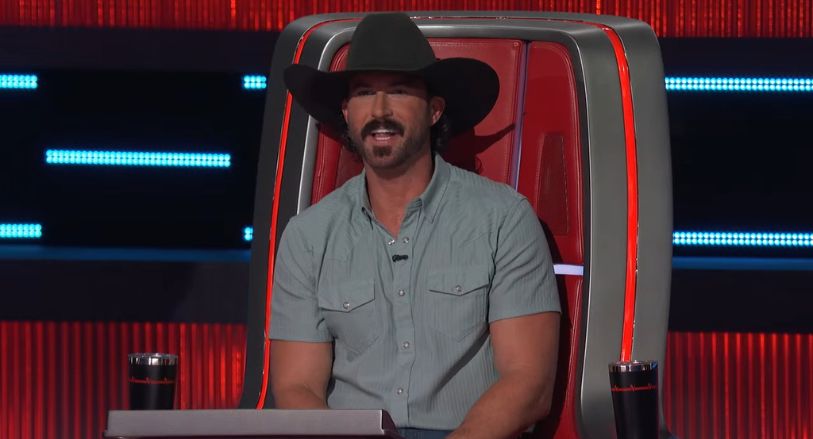
The 12 artists already guaranteed a place represent four very different teams. Riley Green is taking Cade Mower, Ferryn & Brinkley and Joe Henley into the next stage. Kelly Clarkson selected Koumba Diallo, Anna McElroy and Brianna Cameron. Queen Latifah’s team includes Mia Knight, BigCountry and Lillie Kolich, while Adam Levine is moving forward with Lexi Stephens, Connor Closs and Dakota Cohen.
Those lineups give each coach three artists to develop and support as the competition moves into its most public phase. But the extra place means one team will eventually have four contestants, while the other three will have three. The final balance of the competition therefore depends on a decision that is no longer in the coaches’ hands.
Riley Green’s team offers a clear example of how quickly the new format can change a contestant’s fortunes. Cade Mower and Ferryn & Brinkley were sent straight through, while Joe Henley won the final team spot after performing Keith Whitley’s “Don’t Close Your Eyes.” That left Allie Rae, Everett Bounds, Keiyana Osmond and Kayleigh Mathews among the Riley contestants who did not receive a guaranteed place. They were not automatically out of the season, however; the public-vote route gave them another opportunity.
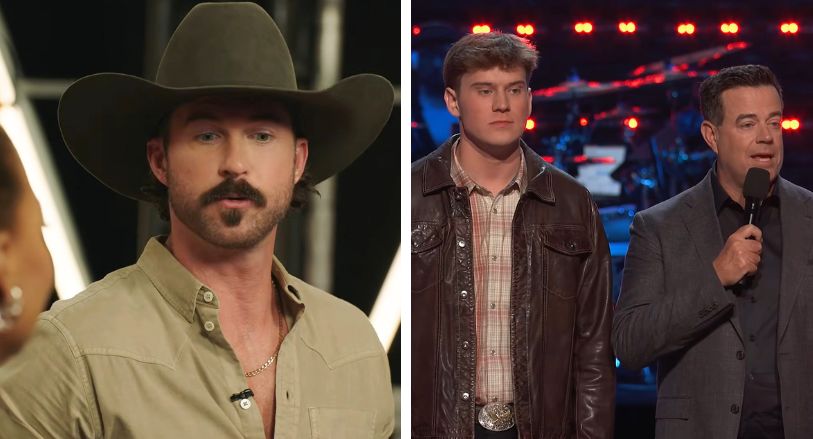
The same situation played out across the other teams. Contestants who had built followings during the Blind Auditions, Battles and earlier rounds suddenly needed viewers to make one more choice on their behalf. For fans, that changes the way the episode lands. Rather than simply accepting the coaches’ decisions as the final word, viewers can still influence who gets another chance.
The voting process also made the moment feel more immediate. Coverage of the episode reported that voting opened after the broadcast and allowed viewers to support an eligible artist through text or the show’s official TikTok voting post. The window was short, closing in the early hours of November 3, with the result scheduled to be revealed when the Live Shows begin on November 9.

That timing gives the upcoming premiere an added layer of anticipation. The first Live Show will not simply introduce the 12 coach-selected artists to the next stage. It will also reveal which eliminated contestant received enough support to return, completing the Top 13 and giving one singer a second chance in front of the coaches and the audience.
There is a compelling question at the heart of this twist: what does it mean to be one of the strongest artists in a competition when the route forward depends on more than a coach’s judgment? A coach may value consistency, growth, song choice or the potential to develop an artist over several weeks. Viewers may respond to a single performance, a distinctive voice or a connection that makes them want to keep watching. Those perspectives do not always lead to the same decision.
The public vote could also make the first Live Show more unpredictable. The returning singer will arrive with a different kind of momentum: not a place secured by a coach, but a place earned through audience support after an elimination. That does not guarantee a long run, of course. The contestant will still have to deliver when the competition resumes, and the other 12 artists will be just as eager to prove they belong.
For the show, the format creates a useful bridge between the pre-recorded rounds and the live competition. Instead of leaving every decision to the coaches before the audience gets involved, Season 30 has allowed viewers to influence the lineup before the first live performance. Whether that makes the competition fairer or simply more unpredictable is something fans may continue debating as the season unfolds.
The 12 confirmed artists are ready to move forward, but one place remains the most intriguing unknown heading into November 9. The coaches have made their choices; now the audience has had its say. The next episode will reveal whose second chance becomes a real opportunity to compete for the Season 30 title.
Should The Voice keep this audience-powered comeback twist in future seasons, or should coaches have the final say over every artist who reaches the Live Shows?