For the first time in its 30-season history, The Voice has handed viewers an opportunity that could completely change the competition. After an enormous elimination round reduced 28 contestants to just 12, 16 singers were left depending on one final opportunity: convincing America that they deserve a place in the Live Shows.
Season 30 introduced its first-ever Cut Week on November 2, and the consequences were bigger than anything contestants had faced earlier in the competition. Instead of gradually narrowing the field through the familiar Knockouts and Playoffs, the show made a dramatic change that sent more than half of the remaining artists home in a single two-hour episode. But there was an unexpected twist. One eliminated contestant would still have a chance to return, and this time, the coaches would not make the final decision.
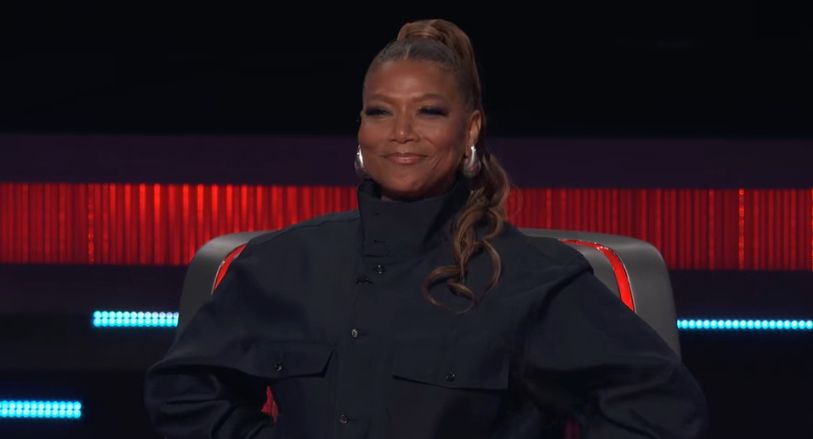
The new format has given Season 30 a very different competitive atmosphere. Coaches Kelly Clarkson, Adam Levine, Queen Latifah, and Riley Green entered Cut Week with seven artists each. Every coach was allowed to send two contestants directly into the Live Shows based on their overall performances throughout the competition.
That left five artists on each team fighting for one additional position. After those performances, the coaches selected their third representative, creating a group of 12 singers guaranteed to advance. However, the competition was not completely over for the 16 artists who missed out.
Instead of ending their journeys immediately, The Voice opened a public voting opportunity that could bring one of those singers back. The result would create a Top 13, with one coach receiving an additional artist beyond the three already selected for their team.
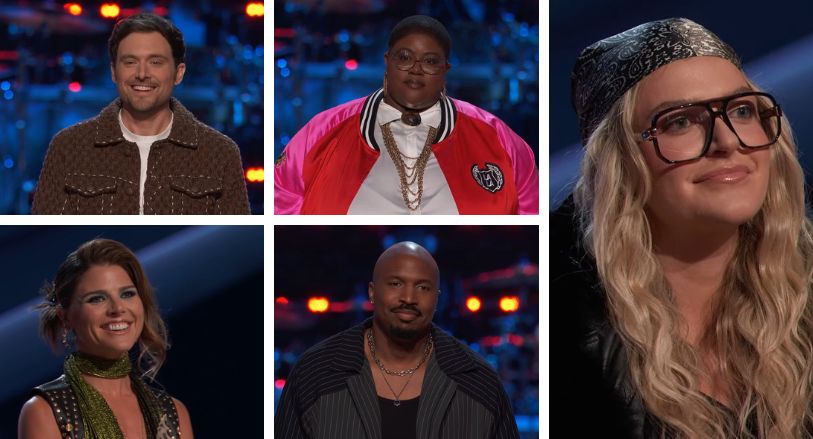
It is an interesting change because the contestants now have two different paths to the Live Shows. The first depends on impressing a coach, while the second depends on connecting with viewers at home.
That distinction could become particularly important as the competition moves toward its final stages. Coaches may appreciate technical ability, vocal consistency, artistic development, and potential, but viewers sometimes connect with contestants for entirely different reasons. A distinctive personality, an emotional performance, or a memorable moment can create a loyal following that lasts long after the cameras stop rolling.
And that is precisely what makes the final voting opportunity so intriguing.
Among the 16 artists hoping to earn another chance are several contestants who already made memorable impressions during Season 30. Team Queen Latifah’s eliminated singers include Bryan Jaymes, Destinee Monroe, Alt Bloom, and Chari. Team Adam Levine lost Evan James, Owen Uffens, Amanda Mikkel, and Brandon Diaz.
Riley Green’s four eliminated artists are Allie Rae, Everett Bounds, Keiyana Osmond, and Kayleigh Mathews. Meanwhile, Kelly Clarkson’s team saw Marcus Ladden Jr., Brooklyn Marie, Nina Howland, and Kyle Davis miss out on their coach’s selection.
Their departures mean that several different musical styles and personalities are now competing for the same opportunity. The remaining contestants are not simply trying to beat singers from their own teams anymore. They are effectively competing against artists from all four teams, making the public vote a much more unpredictable part of the season.
There are also some particularly interesting possibilities among the contestants who remain in contention.
For example, Team Kelly’s Nina Howland received an A+ performance grade from TVLine for her rendition of Renée Rapp’s “In the Kitchen.” The performance showcased the powerful vocals and emotional intensity that had helped establish her as a memorable contestant. Yet she was not among the three artists Kelly selected for the Live Shows.
Kyle Davis also had a noteworthy moment despite missing out on Kelly’s selection. His performance of Blind Faith’s “Can’t Find My Way Home” demonstrated the distinctive tone that had attracted attention throughout the competition. TVLine praised his voice, describing him as a natural storyteller, even while pointing out that his stage presence could develop further.
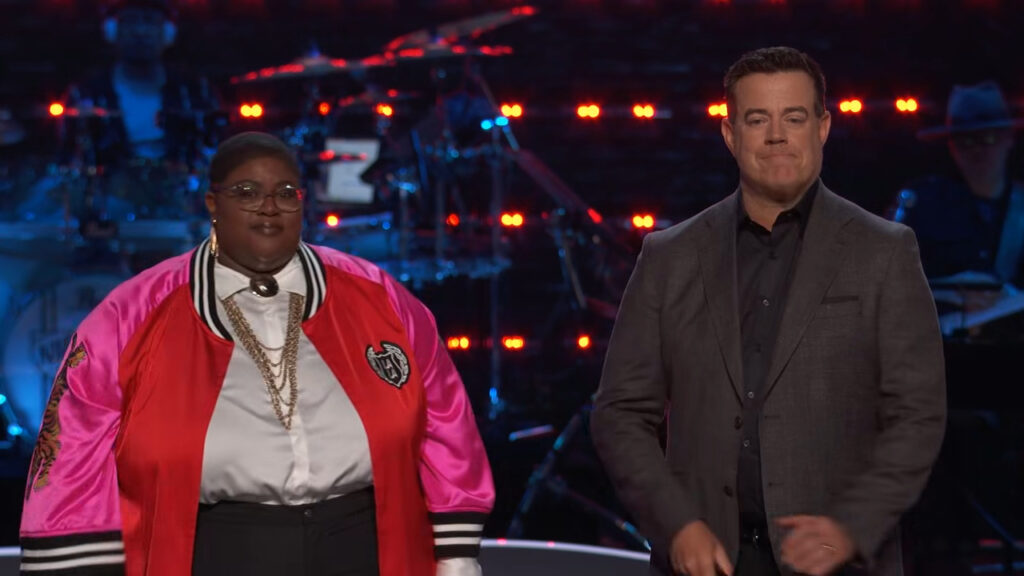
On Adam Levine’s team, Brandon Diaz is another name worth watching. His performance of Switchfoot’s “Dare You to Move” reportedly grew stronger as it progressed, finishing with the kind of soaring vocals that made his appearance memorable. Amanda Mikkel also brought a soulful interpretation to Vanessa Carlton’s “A Thousand Miles.”
Meanwhile, Riley Green’s eliminated contestants include Allie Rae, whose performance of Lainey Wilson’s “4X4XU” earned praise from her coach. Kayleigh Mathews also brought her country influences to the stage with Patsy Cline’s “Walking After Midnight.”
These examples demonstrate why the public vote could become such an interesting storyline. Missing out on a coach’s selection does not automatically mean a contestant lacked talent or potential. It simply means that, during an exceptionally difficult round, somebody else earned that particular coach’s final available position.
There is another major difference this season: viewers are being introduced to new ways of participating in the competition.
For the Cut Week vote, eligible viewers in the United States could submit their choices through text messaging or TikTok. The voting window opened at 10:55 p.m. Eastern Time on November 2 and closed at 3 a.m. Eastern Time on November 3.
Viewers could support more than one contestant, although they were limited to one vote per artist through each voting method. The rules also required TikTok accounts to be public for votes submitted through the platform.
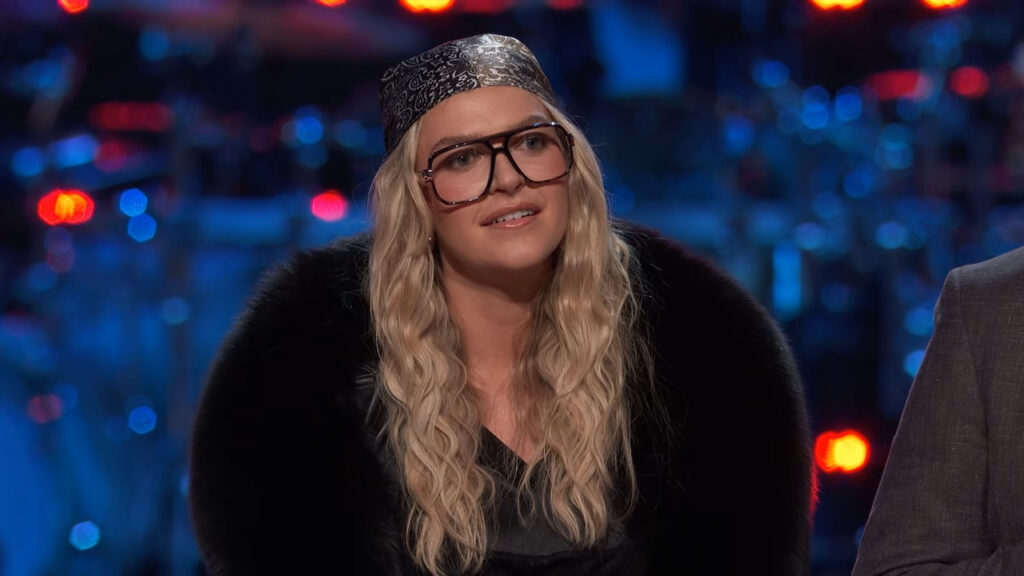
The introduction of TikTok voting is particularly interesting because it gives the competition another way to connect with its audience. A contestant’s performance can continue attracting attention beyond the television broadcast, potentially reaching viewers who might not have watched the entire episode.
It also creates a different kind of challenge for contestants. Instead of relying exclusively on the coaches’ decisions, they need to make an impression that encourages viewers to actively support them.
Of course, there is no guarantee that the most technically impressive singer will receive the most votes. Popularity, personal connection, performance choices, and the ability to leave a lasting impression can all influence how viewers respond. That uncertainty is part of what makes this final position so compelling.
The 12 artists already selected for the Live Shows are Mia Knight, BigCountry, Lillie Kolich, Lexi Stephens, Connor Closs, Dakota Cohen, Cade Mower, Ferryn and Brinkley, Joe Henley, Koumba Diallo, Anna McElroy, and Brianna Cameron. The 13th contestant will be determined through America’s vote, with the result scheduled to be revealed when the Live Shows begin on November 9.
That means the competition is entering a particularly important phase. The contestants who have already secured their positions can begin preparing for the next challenge, while 16 others are waiting to discover whether viewers believe their journeys deserve another chapter.
In my opinion, this is one of the more interesting changes The Voice could introduce for its milestone season. Giving viewers the opportunity to rescue one eliminated contestant creates an additional emotional connection with the competition and gives artists another reason to keep fighting. It also raises an important question about what really makes someone a potential winner: impressing a coach or earning the support of the audience?
With the first Live Shows approaching, one eliminated singer is about to receive an unexpected second opportunity. But which contestant has made the strongest case for a return? Would you bring back Nina Howland, Kyle Davis, Brandon Diaz, Chari, or someone completely different? The final decision now belongs to America, and fans have plenty to debate.