Kelly Clarkson made a remarkable prediction about 19-year-old Joe Henley after hearing him perform on The Voice. Despite having almost no professional stage experience before the competition, the Alabama country singer delivered a rendition of Keith Whitley’s “Don’t Close Your Eyes” that left all four coaches standing. Clarkson was so impressed that she said she would be stunned if he failed to reach the finale.
But the most fascinating part of Henley’s story isn’t simply his extraordinary voice. It’s the challenge now facing Riley Green, the coach who chose to believe in him. Can a teenager who had never performed a proper live gig outside church develop quickly enough to compete against singers with years of experience?
That question could become one of the defining storylines of Season 30.
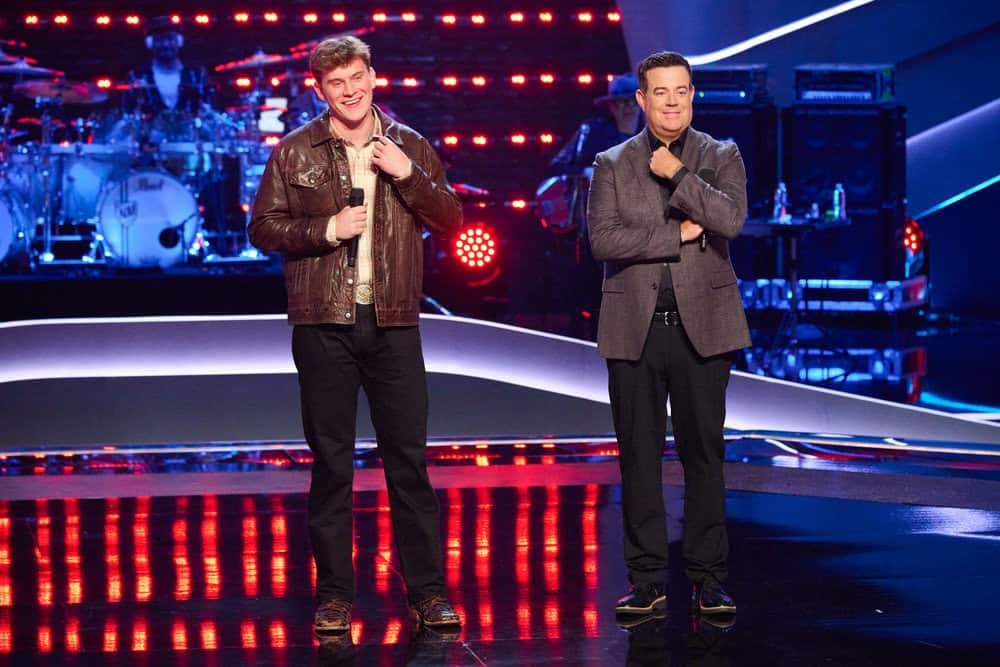
Henley has already demonstrated that a lack of professional experience doesn’t necessarily mean a lack of musical ability. His deep baritone, traditional country influences, and natural delivery have helped him stand out in a competition filled with talented performers. Yet the transition from singing in familiar surroundings to performing live on national television presents an entirely different test.
And Green knows exactly how much is riding on his young contestant.
During Cut Week on November 2, Henley performed Keith Whitley’s 1988 classic “Don’t Close Your Eyes,” a song closely associated with one of country music’s most distinctive voices. Taking on material like that requires more than simply hitting the correct notes. The emotional weight of the song, its traditional arrangement, and its recognizable melody leave little room for a singer to hide behind elaborate production.
Henley approached the performance with the kind of vocal character that has become his signature throughout the competition.
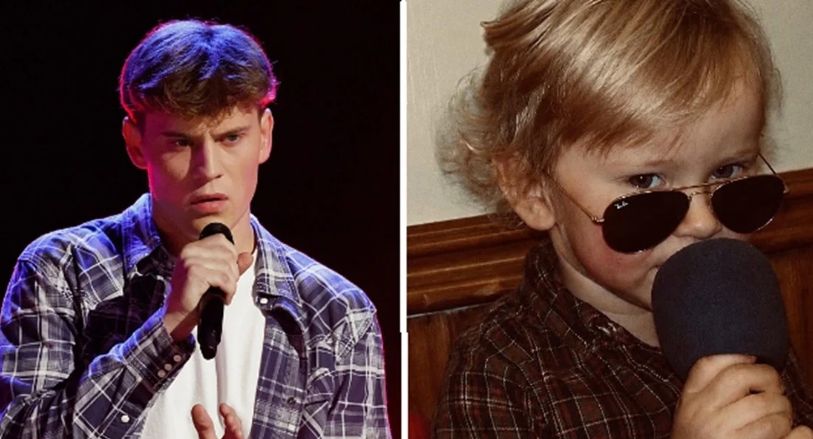
His rich, low register and restrained emotional delivery created a performance that emphasized the song itself rather than theatrical effects. It was an approach that suited his traditional country background, allowing the coaches to concentrate on the qualities that make his voice unusual for someone so young.
The response was immediate and significant.
All four coaches rose to their feet at the conclusion of the performance, giving Henley a standing ovation. For a contestant still developing his confidence onstage, the moment represented another major step forward.
Clarkson’s reaction was particularly striking.
“From the first notes out of your mouth, that natural style, your natural just tone of your voice is incredible. If you’re not in the finale, I would be mind blown,” she told him.
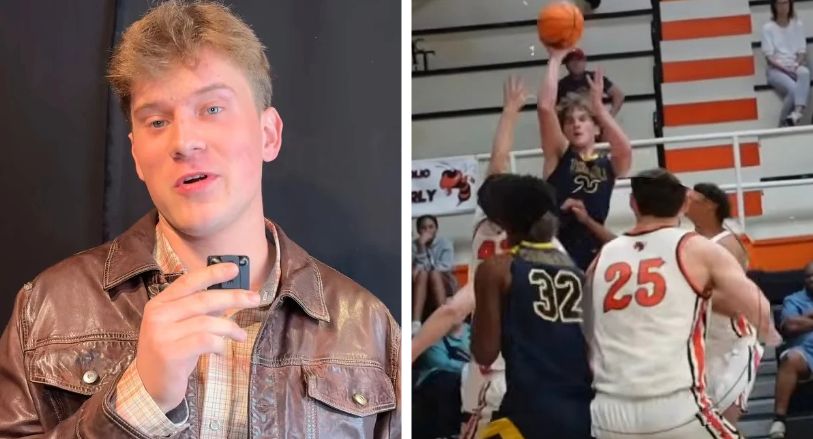
That is an enormous compliment for any contestant, especially one who entered the competition with such limited experience.
But Clarkson’s prediction also creates an interesting question about how audiences evaluate singers on The Voice. Is a distinctive natural voice enough to carry someone to the finale, or does a contestant also need the confidence, versatility, and stagecraft that typically develop through years of performing?
Henley’s background makes that debate particularly compelling.
Growing up in Grand Bay, Alabama, he discovered music through his family and church rather than through professional performances. His grandparents operated a small ministry in the back room of a truck stop, where he began singing alongside his grandfather during worship services.
After his grandfather passed away, Henley continued helping his grandmother with the ministry.
Those experiences gave him an early connection to performing, but they were very different from the environment he would eventually encounter on national television.
Music wasn’t even his original career ambition.
At approximately 6-foot-5, Henley played basketball at Cottage Hill Christian Academy in Mobile and considered pursuing the sport more seriously. A significant back injury interrupted those plans, requiring months of rehabilitation and forcing him to reconsider his future.
During that difficult period, he found himself spending more time with his guitar and music.
What began as a source of comfort gradually developed into something with professional potential.
By the time Henley auditioned for The Voice, he had developed a musical identity influenced by artists including Travis Tritt, Don Williams, George Strait, Vince Gill, and Keith Whitley.
Those influences help explain why his sound feels rooted in traditional country music rather than built around contemporary pop production.
His Blind Audition offered the first major indication that this approach could work on television.

Henley selected Travis Tritt’s “Anymore,” earning chair turns from both Clarkson and Green. The coaches recognized the character of his voice, and comparisons with country legend Randy Travis added to the attention surrounding his performance.
The audition also produced a memorable personal moment.
Green joined Henley onstage with a guitar for an impromptu performance of “My Way,” while Clarkson contributed harmonies from her chair. When the time came to choose his coach, Henley selected Green, an Alabama country artist he had admired before entering the competition.
That decision established a partnership that has become increasingly important as the season progresses.
Green isn’t simply working with a contestant who needs help selecting songs. He is guiding a young performer through experiences that many professional musicians spend years learning to navigate.
The Battle Rounds provided a clear example.
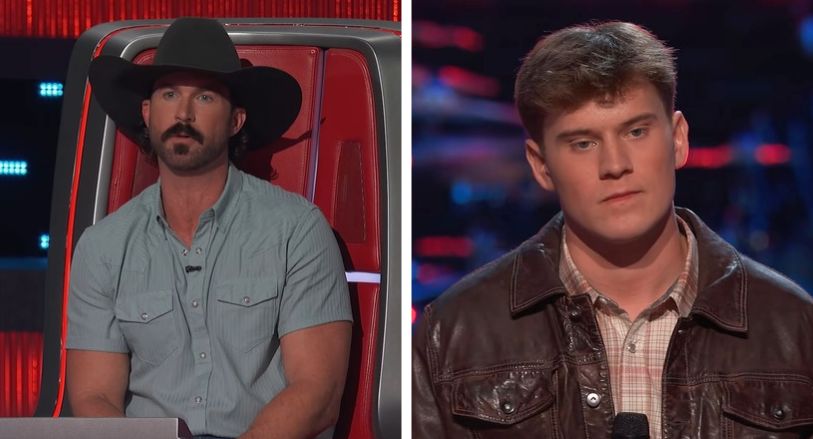
Henley was paired with Kenna Elpers for a performance of Green’s collaboration with Ella Langley, “Don’t Mind If I Do.” Elpers brought more live-performance experience to the preparation process, while Henley was still becoming familiar with basic stage techniques.
During rehearsals, he even struggled with handling a microphone stand.
It was a small detail, but one that revealed the difference between possessing a remarkable singing voice and being comfortable in a professional performance environment.
Green ultimately chose Henley to advance, recognizing the unusual qualities of his voice while also acknowledging Elpers’ contribution during preparation.
Then came Cut Week, when the stakes increased dramatically.
Green had already advanced Cade Mower and Ferryn & Brinkley, leaving one final position available on his team. Henley’s performance of “Don’t Close Your Eyes” provided the evidence Green needed to make his decision.
The teenager secured the remaining place and advanced to the Live Shows.
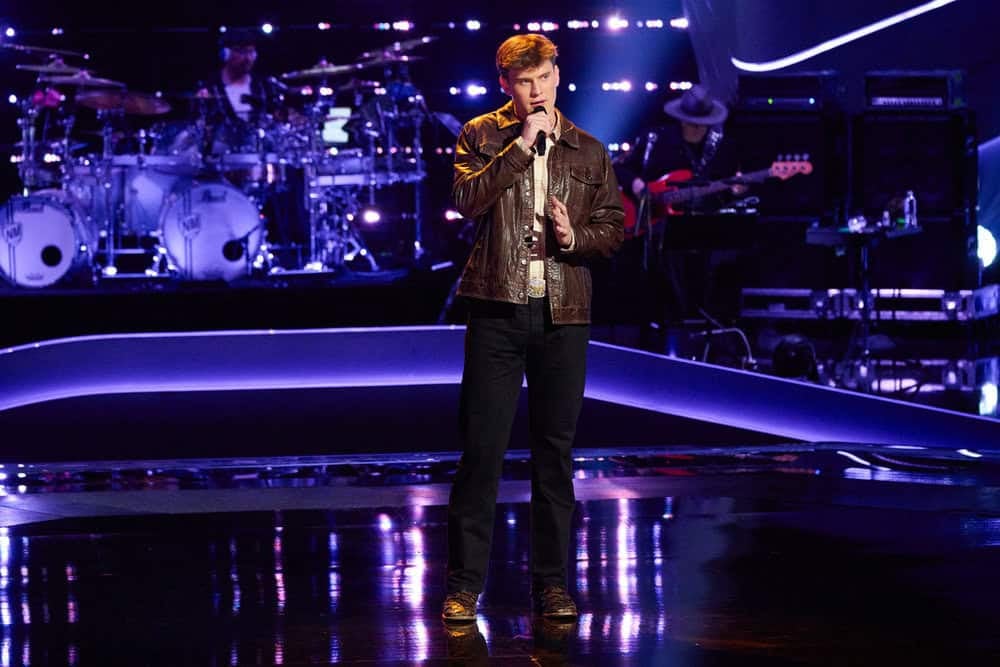
Now, however, the competition enters a stage where his natural ability will be tested in new ways.
Live television introduces pressure that cannot be fully replicated during rehearsals. Contestants must manage nerves, deliver consistent performances, connect with viewers, and adapt to musical themes that may not always align with their preferred styles.
For Henley, whose strengths lie in traditional country music, song selection could be especially important.
A well-chosen ballad might allow him to emphasize his distinctive tone and emotional interpretation. A less familiar musical style could reveal whether he can successfully adapt without losing the qualities that made the coaches notice him in the first place.
That makes Green’s guidance potentially crucial.
The coach must balance helping Henley develop as a performer with protecting the authentic musical identity that has already earned him so much praise.
My view is that Henley’s greatest advantage may also be his greatest challenge. His traditional sound makes him immediately recognizable, but reaching the finale will likely require him to demonstrate that he can do more than deliver one type of country performance exceptionally well.
Clarkson clearly believes he has the potential.
Whether that prediction becomes reality will depend on what happens when the competition moves beyond the coaches’ decisions and into the live stage.
As Henley prepares for the November 9 Live Shows, one question stands out: Could a 19-year-old who learned to sing in a small church become one of the season’s strongest contenders, or will his lack of professional experience finally catch up with him?