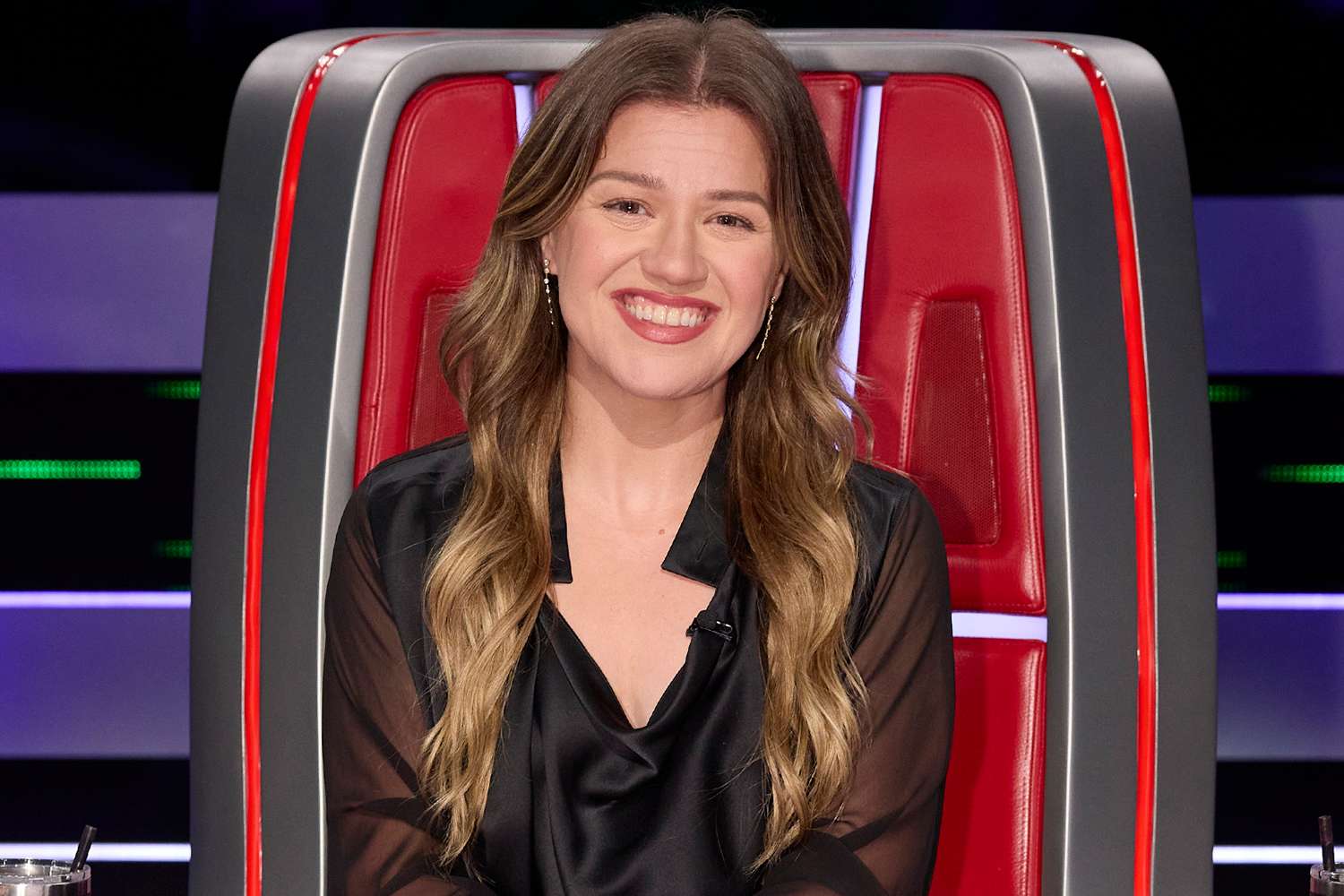
Kelly Clarkson knows how to make an entrance, but her return to The Voice for Season 30 is about much more than a striking red carpet outfit. As the Grammy-winning singer stepped into the spotlight ahead of the competition’s first live show on November 9, she was preparing to take on a challenge that has always brought out one of her most compelling qualities: her ability to recognise and develop emerging talent.
The singer’s bright chartreuse dress, sleek blonde bob, and confident appearance attracted enthusiastic reactions from fans. Yet behind the glamorous arrival was another story worth exploring. Clarkson was returning to the live-show environment alongside a coaching panel that brings together four very different musical backgrounds.
With Riley Green, Adam Levine, and Queen Latifah joining her in the coaches’ chairs, Season 30 offers an intriguing combination of experience, musical styles, and approaches to developing contestants. For Clarkson, the competition represents another opportunity to demonstrate why her presence has become such a memorable part of The Voice.
What makes her involvement particularly interesting is the perspective she brings as someone who understands the singing competition experience from both sides.

Long before she became a Grammy-winning recording artist, television personality, and coach, Clarkson was a young singer hoping that a televised audition could change her life.
In 2002, she entered the inaugural season of American Idol, a competition that was still establishing itself as a new force in American entertainment. Few could have predicted how dramatically the programme would change the music industry or how successful its first winner would become.
Clarkson ultimately won that season, launching a career that would take her from reality television contestant to one of the most recognisable voices in contemporary popular music.
That experience remains an important part of what distinguishes her from many other celebrity coaches.
She knows what it means to stand before judges, face uncertainty, and hope that a single performance will be enough to secure another opportunity. She has experienced the excitement of advancing through a competition and the pressure of performing while audiences form opinions about her abilities.
Those experiences give her a perspective that cannot be acquired simply through commercial success.
A successful recording artist may understand vocal technique, stage presence, and the demands of the music industry. Clarkson understands those things too, but she also knows what it feels like to begin a professional career under the intense scrutiny of a national television audience.
That background could be especially valuable as Season 30 moves into its live stages.
During the earlier rounds of The Voice, coaches play a significant role in selecting which artists advance. Their decisions help shape the teams that eventually compete for public support.
The live shows introduce another dimension. Contestants must demonstrate that they can connect with viewers beyond the coaching panel, making song selection, emotional delivery, and performance consistency increasingly important.
For Clarkson, those challenges are familiar territory.
Her own career has demonstrated how a contestant can transform television exposure into a lasting presence in the music industry. But her success also illustrates something that aspiring performers sometimes underestimate: winning a competition is only the beginning.
After American Idol, Clarkson had to establish herself as a recording artist capable of releasing successful music, connecting with audiences, and maintaining relevance beyond the programme that introduced her.
Songs such as “Since U Been Gone,” “Because of You,” “Stronger (What Doesn’t Kill You),” and “Breakaway” helped establish her identity as an artist with both vocal power and emotional range.
Her ability to move between energetic pop-rock performances and deeply personal ballads became an important part of her musical appeal.
That versatility is particularly relevant on The Voice, where contestants frequently face decisions about which songs best demonstrate their abilities.

A technically demanding song may impress listeners, but it does not necessarily create an emotional connection. Similarly, a familiar ballad can become memorable when a performer brings a distinctive interpretation to it.
Clarkson’s experience gives her a strong foundation for discussing those choices with the artists on her team.
And with the competition entering its live phase, such decisions could become increasingly consequential.
The November 9 red carpet appearance offered a glimpse of the atmosphere surrounding that transition. Clarkson arrived at the Los Angeles studio alongside the other coaches, each preparing to support their remaining contestants.
Her outfit quickly became a talking point.
The singer wore a vibrant chartreuse dress featuring a high neckline and an open scoop back, paired with sheer tights and pointed black heels. Her blonde bob was styled in a smooth blowout, while coordinated eye makeup, nude lipstick, and dark nail polish completed the look.
The combination was distinctive without relying on elaborate accessories or an overly complicated design.
Fans responding to photographs praised the outfit and her shorter hairstyle, with some expressing particular enthusiasm for the overall styling.
Those reactions were a reminder that Clarkson’s appeal extends beyond her musical performances and coaching decisions.
Over the years, she has developed a public image that combines accomplished musicianship with an approachable, conversational personality.
That combination has served her particularly well in television.
On The Kelly Clarkson Show, she has demonstrated an ability to move comfortably between musical performances, celebrity interviews, emotional conversations, and lighthearted exchanges.
On The Voice, those qualities take on a different purpose.
Contestants are frequently performing under considerable pressure, and the way coaches communicate with them can influence their confidence and preparation.
A coach must sometimes provide reassurance while also delivering criticism that helps an artist improve.
Clarkson’s experience as both a performer and television presenter may help her navigate those conversations, although the success of any coaching approach ultimately depends on how contestants respond.
Her fellow coaches bring different strengths to the competition.
Adam Levine has extensive experience as the frontman of Maroon 5, a band whose music has reached audiences across pop and rock.
Riley Green represents contemporary country music, offering insight into a genre where storytelling, vocal character, and authenticity are often central to an artist’s identity.

Queen Latifah brings a career spanning music, acting, and entertainment, with experience across multiple creative disciplines.
Together, the four coaches offer contestants access to different perspectives on performing, recording, and developing a professional career.
That variety also creates opportunities for interesting comparisons as the competition progresses.
A contestant whose style is rooted in country music may receive very different advice from Green than from Levine or Clarkson. Similarly, artists exploring pop, soul, or other genres may benefit from contrasting approaches to arrangement and performance.
The challenge for each coach is to identify which advice will genuinely help an individual contestant rather than simply encouraging them to imitate an established artist.
For Clarkson, that distinction could be particularly important.
Her own career began with a television competition, but her lasting success came from developing an identity that audiences continued to recognise long after the final votes were counted.
In my view, that is the strongest reason her return to The Voice matters.
The red carpet appearance may generate immediate attention, and her distinctive fashion choices give fans something entertaining to discuss. But her most valuable contribution is the practical understanding she can offer performers who are hoping to follow a path similar to the one she once travelled.
There is also another major television appearance approaching for Clarkson.
She is scheduled to perform during NBC’s Christmas in Rockefeller Center special on December 2, giving audiences another opportunity to see her musical talents outside the competition.
The holiday appearance will place her back in the role of performer rather than coach, highlighting the two sides of her career that continue to define her public presence.
For fans, that contrast is part of the appeal.
One week, Clarkson can be offering advice to an aspiring singer. On another occasion, she can be the person standing centre stage, demonstrating the vocal ability that made her famous.
As Season 30 continues, the biggest question will not be whether Clarkson can deliver another memorable fashion moment. It will be whether her experience, musical judgement, and connection with her contestants can help produce another standout artist.
Her November 9 appearance reminded viewers that she remains a compelling television personality. The live performances will offer a more meaningful test of what she brings to the competition.
After all, Clarkson’s own journey began with an opportunity that changed everything.
More than two decades later, she is helping other singers pursue the same kind of breakthrough.
And that raises an interesting debate for longtime viewers: does Kelly Clarkson’s experience as a former singing competition winner give her an advantage over the other coaches, or could one of her fellow judges prove more effective at developing this season’s strongest talent?