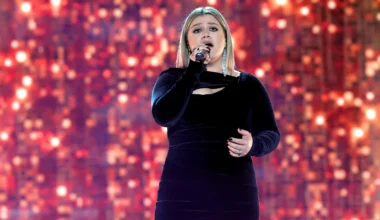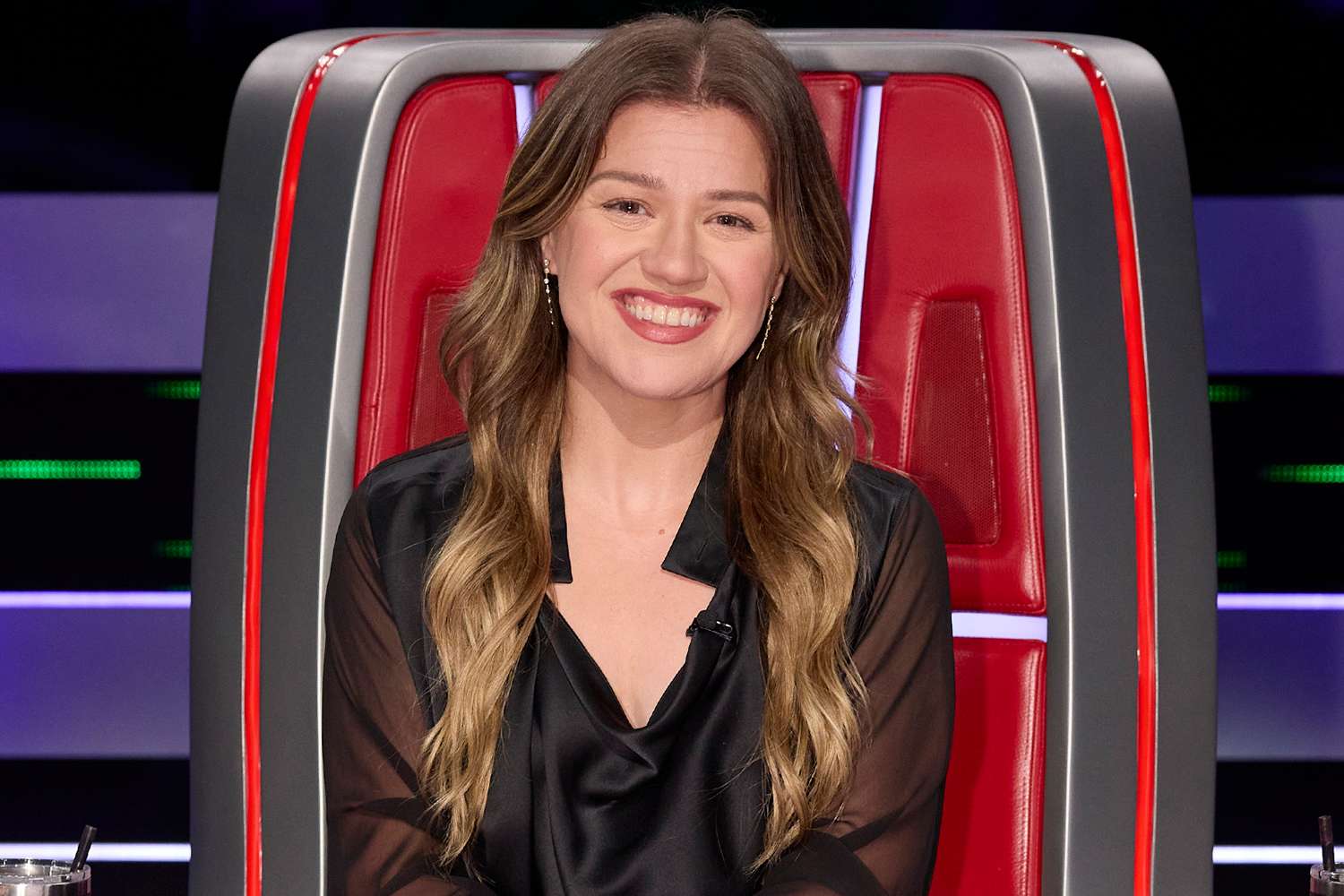
Kelly Clarkson has spent more than two decades navigating the pressures of fame, criticism, and public expectations. But when it comes to raising her 12-year-old daughter, River Rose, the Grammy-winning singer has discovered that all her experience and success cannot solve one of parenting’s most frustrating challenges: watching your child make mistakes you can already see coming.
During a November 9 appearance on The Voice Season 30 red carpet, Clarkson opened up about the realities of raising children, particularly the complicated friendships and emotional pressures that come with middle school.
Her comments revealed a parenting philosophy that may surprise some fans. Rather than trying to prevent every disappointment or disagreement, Clarkson believes her children sometimes need the freedom to discover difficult lessons for themselves.
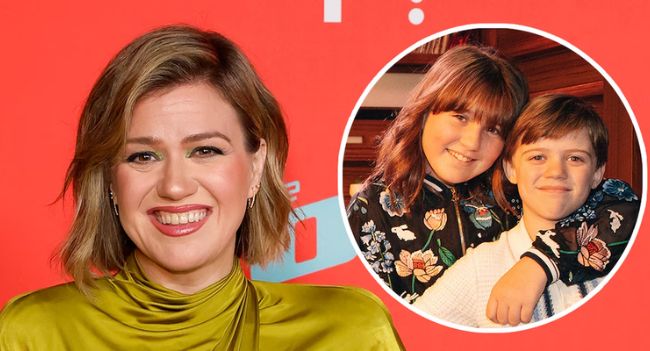
And according to the singer, her daughter has already begun recognizing that her mother’s advice might be worth listening to.
At 44, Clarkson is balancing a demanding entertainment career with raising River Rose and her younger son, Remington Alexander Blackstock. Although audiences know her as a successful recording artist, television personality, and coach on The Voice, her recent comments focused on something considerably more ordinary.
Junior high school.
Clarkson didn’t attempt to make the experience sound easier than it is. She acknowledged that middle school can be an especially difficult period, particularly when friendships become complicated and disagreements begin affecting children’s daily lives.
For many parents, that observation will sound familiar.
The transition from childhood into adolescence often brings changing friendships, stronger opinions, and an increasing desire for independence. Children begin making more of their own decisions while still learning how to handle the consequences.
Parents, meanwhile, face the difficult task of deciding when to intervene and when to allow their children to work through problems independently.
Clarkson appears to have developed a clear approach.
She offers guidance, but she doesn’t expect her children to follow every suggestion.

Instead, she allows them room to make their own choices, even when she suspects those decisions might lead to disappointment.
The singer described herself as a progressive parent and explained that she believes making mistakes is an important part of growing up.
That philosophy doesn’t mean she avoids offering advice.
In fact, Clarkson revealed that her daughter has occasionally returned to acknowledge that her mother was right about a situation.
For a parent, those moments can be quietly satisfying.
But Clarkson emphasized that she isn’t interested in turning them into opportunities to prove herself correct.
Rather than responding with an “I told you so,” she wants her children to recognize what they have learned and apply that experience in the future.
It’s a distinction that says a great deal about how she views her role as a mother.

She isn’t trying to win arguments with her children. She’s trying to help them develop the judgment they’ll eventually need to make decisions without her.
That can be particularly challenging during adolescence.
Friendship disagreements may seem relatively minor from an adult perspective, especially when compared with the professional and personal difficulties parents have already experienced.
But for a child navigating middle school, those situations can feel enormous.
A disagreement with a close friend, a changing social group, or the feeling of being excluded can affect how a young person experiences school and relationships.
Even when a parent recognizes that a problem may eventually pass, that knowledge doesn’t necessarily make the child’s immediate feelings any less real.
Clarkson’s comments suggest that she understands the importance of allowing her daughter to navigate those experiences while still knowing that support is available.

And there is something interesting about hearing that perspective from someone whose public career has involved so much scrutiny.
Since winning the first season of American Idol in 2002, Clarkson has spent much of her adult life in the spotlight.
Her music, television appearances, and personal milestones have attracted widespread attention, giving her extensive experience with public judgment and criticism.
Yet none of that changes the basic reality of raising a teenager.
She cannot make every friendship easier, eliminate every disagreement, or guarantee that her daughter will always make the decision she recommends.
In that respect, her parenting challenges are not particularly different from those faced by families who have no connection to the entertainment industry.
And perhaps that is why her remarks resonate.
Celebrity parenting stories often focus on extraordinary circumstances: expensive opportunities, unusual lifestyles, or children growing up around famous people.
Clarkson’s comments were different.

She was talking about ordinary school friendships, arguments, advice, and the sometimes frustrating experience of watching children become more independent.
Those are situations that many parents recognize regardless of their careers or circumstances.
Her family has also experienced significant changes in recent years.
Clarkson shares River Rose, born in June 2014, and Remington, born in April 2016, with her former husband, Brandon Blackstock.
The couple married in 2013 before Clarkson filed for divorce in June 2020. Their divorce was finalized in March 2022.
Blackstock died in 2025 following a battle with cancer, adding another deeply personal chapter to the family’s history.
Clarkson has generally been protective of her children’s private lives, even while occasionally sharing glimpses of their personalities and experiences.
That balance is important because River and Remington are still growing up, regardless of their mother’s public profile.
The singer’s recent remarks did not disclose the specific details of River’s school friendships or disagreements. Instead, Clarkson discussed the broader experience of parenting a child through an emotionally complicated age.
That distinction allows her to speak candidly about motherhood without turning her daughter’s private experiences into public entertainment.
And it’s consistent with the way she has previously spoken about the importance of her children.
During her Las Vegas residency in 2023, Clarkson shared a memorable moment when River and Remington joined her onstage.
She later expressed how meaningful it was to have both children participating in an experience that was such an important part of her professional life.
For fans, the appearance offered a rare opportunity to see Clarkson’s role as a mother intersect with her identity as a performer.
But her latest comments demonstrate that the more difficult aspects of parenting often happen far away from concert stages and television cameras.
There are no rehearsals for navigating a child’s changing friendships.
No professional team can guarantee the right response to every argument.
And even someone who has spent years mentoring young performers cannot always convince her own children to accept advice before discovering the lesson themselves.
That contrast makes Clarkson’s parenting philosophy especially interesting.
As a coach on The Voice, she is responsible for helping contestants improve their performances, recognize their strengths, and avoid mistakes that could affect their progress.
Her professional role often requires offering direct guidance based on years of experience.
But as a mother, she recognizes that giving advice and controlling someone’s choices are two very different things.
A contestant may follow a coach’s recommendations because the immediate goal is to deliver the strongest possible performance.
A growing child, however, is developing an independent understanding of relationships, consequences, and personal responsibility.
That process cannot always be accelerated simply because a parent knows the likely outcome.
Clarkson appears willing to accept that difference.
Her approach also raises a broader question about how parents define successful guidance.
Is the goal to prevent children from making mistakes, or to help them become confident enough to recover when mistakes happen?
Those objectives aren’t always the same.
Protecting children from every disappointment may feel reassuring in the moment, but learning how to handle manageable setbacks can also be an important part of developing independence.
Of course, allowing children to make mistakes doesn’t mean ignoring serious problems or withholding support when they need help.
Parents still have a responsibility to recognize situations involving safety, bullying, or emotional distress that require adult intervention.
But everyday disagreements and ordinary social disappointments can provide opportunities for children to practice making decisions and understanding other people’s perspectives.
Clarkson’s comments appear to reflect that distinction.
She remains available to offer advice, but she doesn’t insist that her children must accept it every time.
And when they eventually return to acknowledge that she had a point, she treats the experience as part of growing up rather than a personal victory.
In my view, that is the most revealing part of her remarks.
The interesting story isn’t that Kelly Clarkson’s daughter is experiencing difficulties in middle school. It’s that Clarkson is resisting the temptation to use her own experience to control every outcome.
She understands that being right about a situation doesn’t necessarily mean a child is ready to understand the lesson.
Sometimes that understanding arrives only after the experience itself.
For a mother who has spent much of her career helping others develop their talents, learning when to step aside may be one of the more complicated forms of guidance.
And as River Rose continues growing older, Clarkson will undoubtedly encounter more moments when offering advice is easier than watching what happens next.
For now, her perspective offers a reminder that even famous parents face the same uncomfortable decisions as everyone else.
They want to protect their children, but they also want them to become capable, independent people.
And those two goals don’t always fit together neatly.
So what do you think about Kelly Clarkson’s approach? Should parents allow their children to make their own mistakes when the consequences are manageable, or should they step in more often when they can already see trouble ahead?