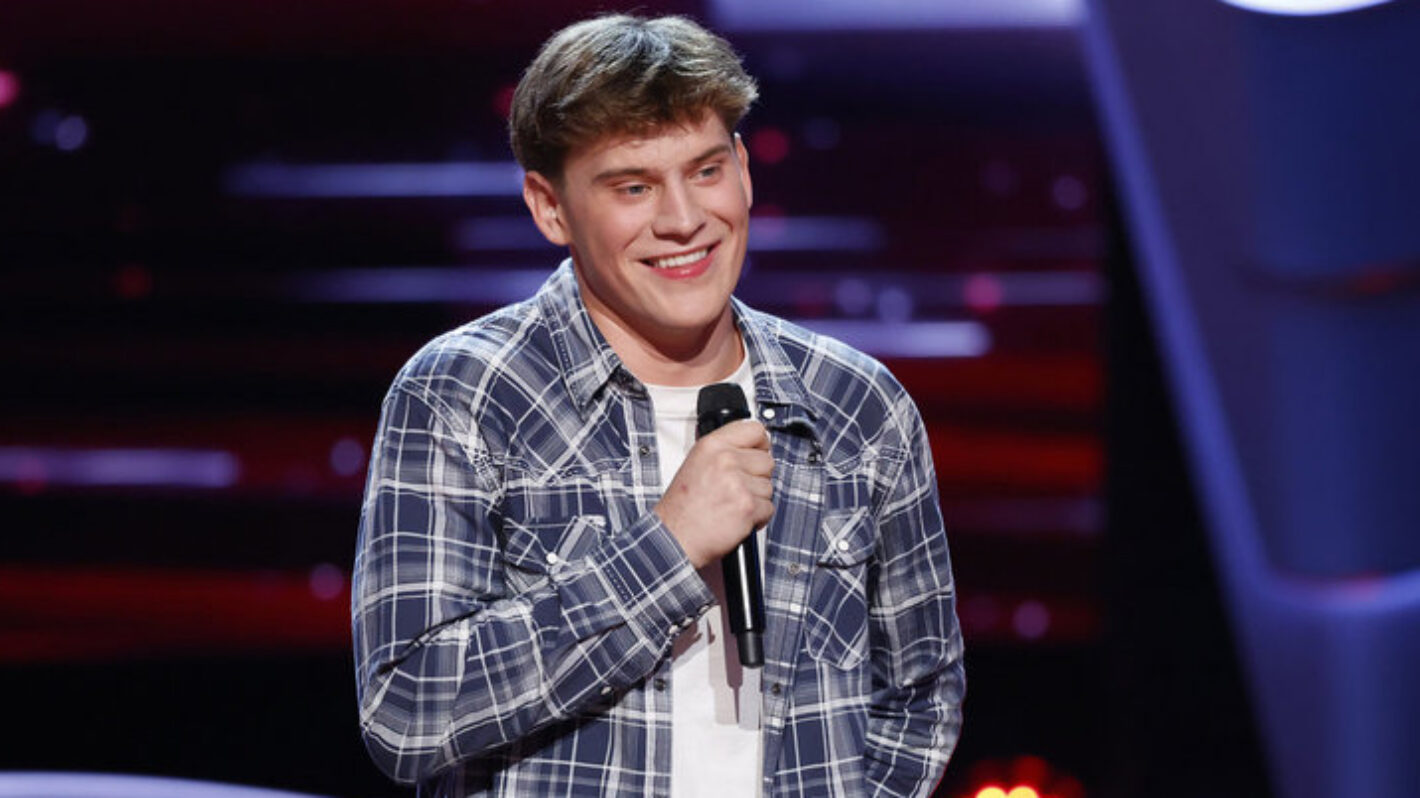
Imagine stepping onto one of television’s biggest singing competition stages without ever having played a proper gig. That was the remarkable position 19-year-old Joe Henley found himself in when he auditioned for The Voice, and his journey from Grand Bay, Alabama, to Team Riley’s Top 13 has become one of the season’s most intriguing stories.
Henley’s success raises a fascinating question about what really makes a promising country artist. Is it years of professional performing experience, or can an unmistakable voice, a genuine connection to traditional music and the ability to deliver under pressure be enough?
For Henley, the answer may be unfolding in front of millions of television viewers.
His Blind Audition on September 21 introduced audiences to a young singer whose musical instincts seemed rooted in an earlier generation of country music. Rather than choosing a contemporary pop-country crossover hit, Henley performed Travis Tritt’s “Anymore,” a song that demands emotional conviction and a strong understanding of classic country storytelling.

The choice immediately established something important about his musical identity. Henley was not attempting to disguise his country influences or reshape his sound to fit a broader television audience. He was presenting the kind of music that clearly meant something to him.
That approach earned chair turns from Kelly Clarkson and Riley Green, giving Henley a decision that countless aspiring singers dream of making. Two established artists wanted him on their teams, and he ultimately chose Green.
The partnership made sense from a musical perspective. Green has built his career around country storytelling, traditional influences and songs that connect with listeners through familiar emotions. Henley’s preference for classic country material suggested that the two could share an understanding of the musical direction he wanted to pursue.
But securing a place on Team Riley was only the beginning.
The Voice is designed to challenge contestants in ways that go far beyond their initial auditions. Singers must adapt to different performance formats, compete directly against other talented artists and demonstrate that their abilities can hold up as the stakes increase.
For someone without extensive live performing experience, those demands could be especially intimidating.
Henley faced his next major challenge during the Battles, where he competed against Kenna Elpers with “Don’t Mind If I Do.” The performance secured his advancement and provided another opportunity to demonstrate that his Blind Audition had not been a one-off success.
The result mattered because it showed Henley could progress within the competition rather than simply make a memorable first impression.
Yet his most significant competitive moment came during Cut Week.
With limited places remaining, Henley performed Keith Whitley’s “Don’t Close Your Eyes,” a country classic that requires a singer to communicate vulnerability without overwhelming the song’s emotional simplicity.
Whitley’s music occupies a special place in traditional country history, and choosing one of his best-known recordings was an ambitious decision for a young contestant.
The song is not built around flashy vocal acrobatics. Its impact depends heavily on phrasing, emotional restraint and the ability to make a familiar story feel personal.
For a singer whose influences include Whitley, Don Williams and George Strait, it was also an opportunity to demonstrate the musical tradition he hopes to represent.
The performance earned a standing ovation and secured Henley the final available position on Team Riley’s Top 13.
Kelly Clarkson’s response added another layer of significance. She expressed confidence in his potential, saying she would be amazed if he failed to reach the finale.
That was a striking endorsement for a contestant who had entered the competition without the kind of professional performance history many viewers might expect from a potential finalist.
Of course, a coach’s praise is not a guarantee of future success. The Voice has repeatedly demonstrated that talented contestants can face unpredictable outcomes as the competition progresses.
But Clarkson’s assessment suggested that Henley had made an impression extending beyond his own coach’s team.
What makes his story particularly interesting is the contrast between his age and his musical preferences.
At 19, Henley belongs to a generation that has grown up surrounded by streaming platforms, short-form videos and constantly evolving musical trends. Yet his stated influences include artists whose careers helped define traditional country music decades before he was born.
Don Williams, known for his understated vocal delivery and gentle storytelling, represents a particularly revealing influence.
Williams built his musical identity around warmth, sincerity and an ability to communicate complicated emotions without unnecessary theatricality. Those qualities offer an alternative to the idea that every memorable performance must involve dramatic vocal runs or explosive high notes.
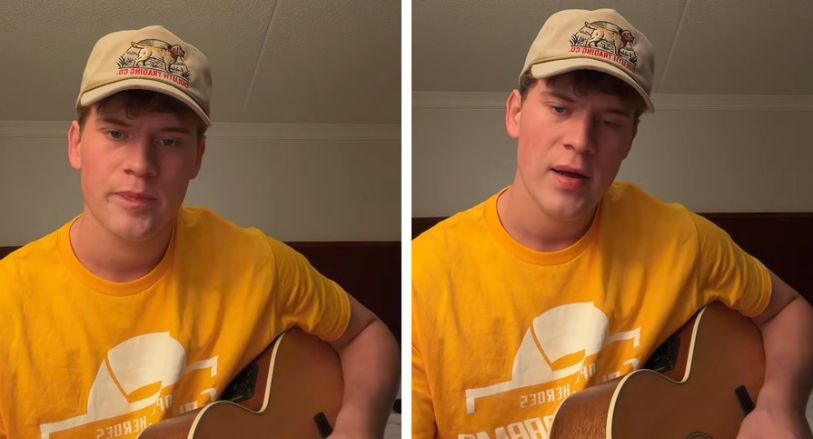
Henley’s recent home guitar cover of Williams’ “I’m In Love For My Last Time” reinforces that connection.
The informal performance places the emphasis on his voice, guitar playing and interpretation of the song rather than an elaborate television production. It offers listeners a different perspective on the young artist they have watched compete under studio lights.
The response to the recording has been encouraging, with listeners requesting a complete version and suggesting additional classic country songs for him to perform.
Some have also expressed interest in hearing an album or seeing Henley perform live, indicating that his appeal may extend beyond individual appearances on The Voice.
That distinction could become increasingly important as his career develops.
Television competitions can provide extraordinary exposure, but sustaining an audience after the cameras stop rolling requires more than a collection of successful performances. Artists must establish a recognisable identity and give listeners reasons to follow their music independently of the programme.
Henley appears to have a clear starting point in that regard.
His commitment to traditional country songs gives audiences an immediate sense of the kind of artist he wants to become. Whether he eventually records original material, releases covers or performs on tour remains to be seen, but his musical direction is already recognisable.
There is also something appealing about the simplicity of his approach. While The Voice offers professional staging and major television exposure, Henley can still connect with listeners through an informal guitar performance at home.
That suggests an opportunity to build a following based on the music itself rather than solely on the excitement of competition.
As Team Riley prepares for Live Show 2 on November 16, Henley faces another important test. America’s votes will help determine which contestants continue, placing greater emphasis on the connection singers have established with viewers.
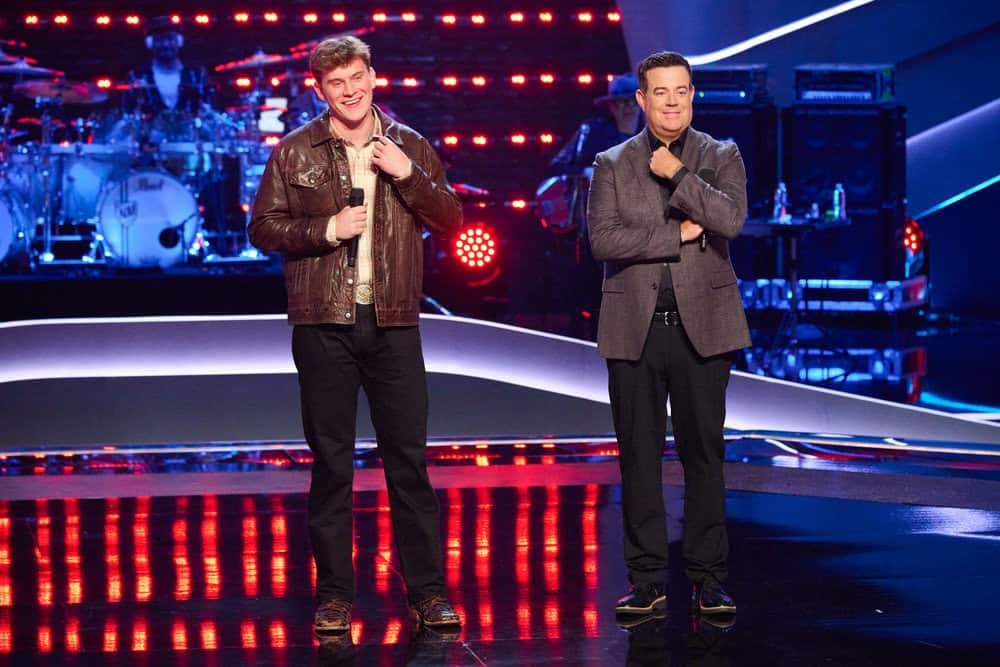
His previous performances have earned him a place in the competition, but the next stage will require that support to translate into votes.
In my view, Henley’s most interesting quality is not simply his vocal ability. It is the fact that he already seems comfortable with a musical identity that many young performers might feel pressured to modernise.
That authenticity could prove valuable whether he reaches the finale or not.
The Voice may have introduced Joe Henley to a national audience, but the larger story is what he does with the opportunity. A young singer who had never played a proper gig is now receiving encouragement to release music and perform beyond the television stage.
Could Henley become the next major traditional country voice to emerge from a singing competition, or will the pressure of the live rounds prove his greatest challenge yet? For viewers who believe classic country music still deserves a place in the spotlight, his journey is certainly one worth following.