A powerful voice might not be enough to survive the next round of The Voice. With just 10 contestants remaining and an entire evening dedicated to Dolly Parton, the competition is approaching a challenge that could reveal something far more important than who can hit the highest notes.
On Monday, November 23, the remaining Season 30 artists are scheduled to perform songs from one of country music’s most celebrated catalogues. But Dolly Parton’s music presents an unusual challenge. Her greatest recordings are not necessarily built around spectacular vocal gymnastics. They depend on emotional honesty, storytelling, personality, and the ability to make a listener believe every word.
That distinction could make Dolly Parton Night one of the most revealing performances of the season.
For contestants accustomed to demonstrating their abilities through dramatic arrangements and impressive vocal runs, Parton’s songwriting presents a different kind of test. A singer can deliver every note perfectly and still struggle to capture the emotional meaning of a song. Conversely, a restrained performance built around genuine feeling could leave a stronger impression than a technically ambitious interpretation.
Consider “Jolene,” one of Parton’s most recognisable compositions. Its enduring appeal comes partly from the vulnerability at the centre of the story. Rather than portraying an angry confrontation, the song explores insecurity, admiration, and the fear of losing someone important.
That emotional complexity creates opportunities for a contestant who understands how to communicate through subtle phrasing and carefully controlled delivery. But it also creates a risk. An interpretation that focuses too heavily on vocal power could lose the fragile emotional balance that makes the original so memorable.
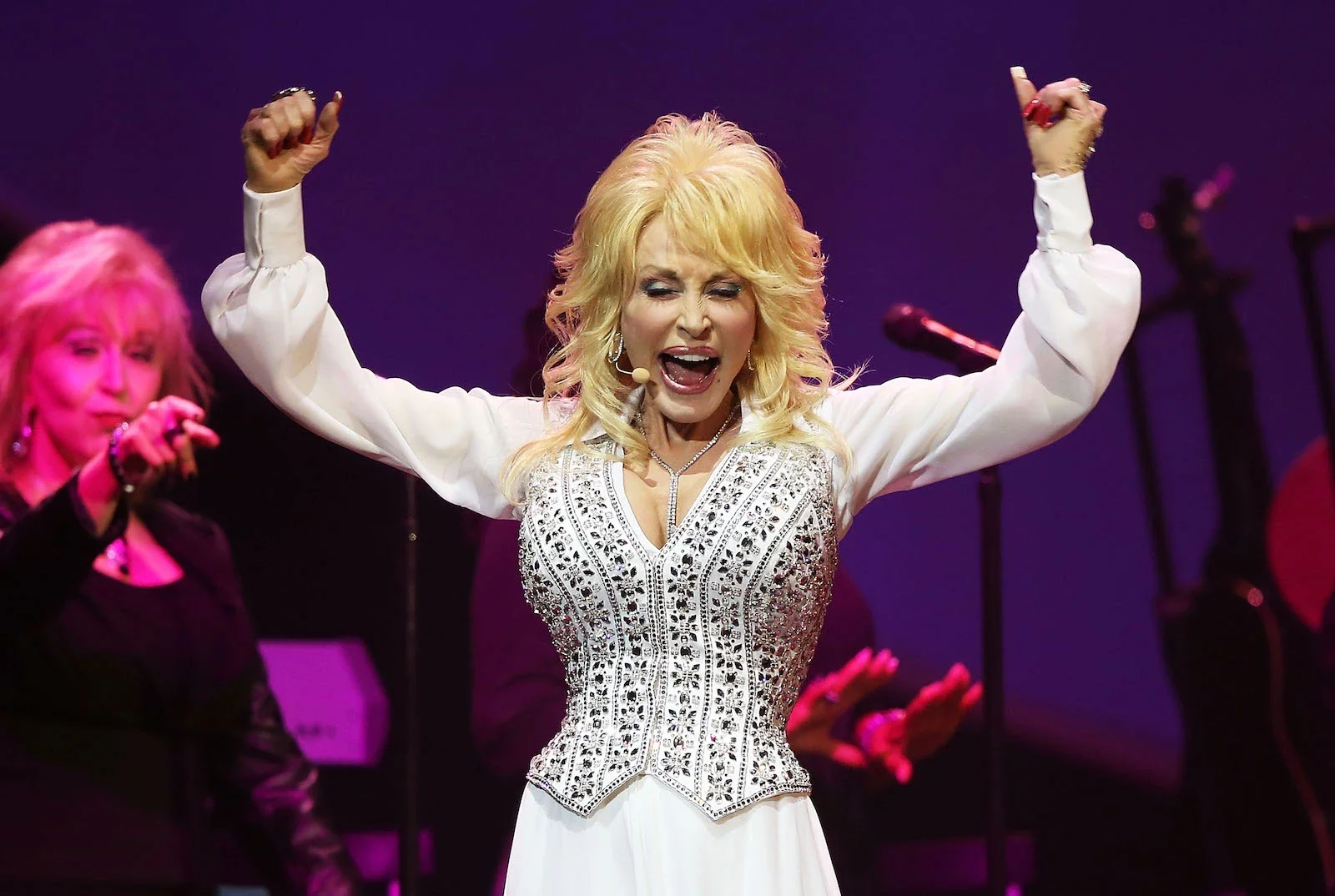
“I Will Always Love You” presents an entirely different challenge.
Although many listeners associate the song with Whitney Houston’s extraordinary recording, Parton wrote and originally released it in 1974. Her version demonstrates how a deeply emotional farewell can be communicated without relying on overwhelming vocal force.
Houston’s interpretation later transformed the song into one of popular music’s most recognisable vocal showcases. Both versions are celebrated, but they approach the same composition from different musical directions.
For a contestant on The Voice, that history creates an interesting decision. Should they attempt a powerful, soaring arrangement that demonstrates their technical range? Or would a quieter interpretation allow them to distinguish themselves from the many singers who have tackled the song before?
Neither approach guarantees success. The more important question is whether the performer can make the song feel personal rather than simply familiar.
That challenge becomes particularly relevant when the remaining contestants have so little room for error.
Following the November 16 results, Cade Mower and Anna McElroy exited the competition. The remaining Top 10 consists of Connor Closs, Lexi Stephens, Dakota Cohen, Mia Knight, BigCountry, Joe Henley, Ferryn & Brinkley, Brianna Cameron, Kyle Davis, and Koumba Diallo.
Each artist now faces the task of standing out within a programme where every performance carries increasing competitive importance.
The Dolly Parton theme could make that task more complicated because audiences will inevitably compare the contestants with recordings they already know and love.
A familiar song can help a performer connect with viewers immediately. But familiarity also creates expectations. Listeners may anticipate certain melodies, emotional moments, or vocal choices, making it difficult for a contestant to introduce something new without risking an unfavourable comparison.
That is where the less obvious selections from Parton’s catalogue become especially interesting.
Songs such as “Little Sparrow,” “The Seeker,” and “Light of a Clear Blue Morning” offer different storytelling possibilities from the biggest mainstream hits. They allow performers to explore distinctive moods and musical arrangements without necessarily competing against the most famous versions of Parton’s work.

“Coat of Many Colors” could be particularly revealing because its strength lies in the narrative itself. The song draws on Parton’s childhood and explores family love, material hardship, and the meaning of personal dignity.
A convincing performance requires more than an attractive tone. The singer must communicate the story with enough sincerity that viewers connect with its emotional message.
That kind of storytelling could reward contestants who demonstrate restraint, clarity, and an ability to create intimacy even on a large television stage.
At the opposite end of the musical spectrum, “9 to 5” presents a challenge involving energy, rhythm, and personality. Its upbeat character might appear easier to handle than a vulnerable ballad, but the song requires confidence and an engaging performance style.
A contestant who can bring natural charisma to that material could create a memorable contrast with the evening’s more emotional performances.
The range of Parton’s catalogue is precisely what makes the theme so compelling.
She has written and recorded songs touching on heartbreak, faith, resilience, humour, independence, and personal identity. Her music crosses country, pop, bluegrass, and gospel traditions, offering contestants considerable freedom to interpret the material through their own musical backgrounds.
That freedom could become an advantage for artists who make thoughtful choices. It could also expose performers who depend too heavily on familiar arrangements or predictable vocal techniques.
One particularly interesting aspect of the upcoming episode is how different contestants might approach songs that were originally written from a perspective unlike their own.
A male contestant interpreting a song closely associated with Parton, for example, could discover an opportunity to bring a different emotional perspective to familiar material. The challenge would be preserving the song’s essential meaning while allowing the performance to feel authentic.

Duos face another creative question. Ferryn & Brinkley could potentially explore harmonies and vocal interplay in ways that distinguish their interpretation from a solo recording. That possibility is especially intriguing given how much of Parton’s music depends on strong melodic lines and emotional communication.
For younger performers, the challenge may involve connecting convincingly with stories and experiences that extend beyond their own lives. A strong singer does not necessarily need to have lived through every situation described in a song, but the performance must still communicate a believable understanding of its emotional stakes.
Parton’s connection to The Voice also gives the evening additional significance. She previously appeared as a mentor during Season 9 in 2015, working with contestants from all four teams.
Her return to the programme’s spotlight through a themed tribute reflects the lasting influence of a songwriter whose music continues to reach performers across generations and genres.
Yet the competitive implications are arguably just as interesting as the celebration itself.
The Voice has always been built around the idea that an extraordinary vocal performance can change an artist’s future. But the most memorable singers often offer something beyond technical ability: a distinctive musical identity that makes their interpretation immediately recognisable.
Dolly Parton built her career around exactly that combination.
Her voice is unmistakable, but her songwriting and storytelling have been equally important to her longevity. The emotional clarity of her recordings demonstrates that connecting with an audience does not always require the biggest vocal moment.
In my view, that is the real opportunity facing the Top 10. The strongest performance may not come from the contestant who chooses the most demanding song or attempts the most dramatic arrangement. It may come from someone who understands when to hold back, when to let the lyrics lead, and how to make a familiar composition feel newly meaningful.
That is also why an unexpected song choice could prove more memorable than another interpretation of an obvious classic.
With the competition narrowing and the next elimination approaching, the November 23 episode offers more than a tribute to a country music legend. It offers a chance to discover which contestants can move beyond demonstrating vocal talent and begin establishing themselves as compelling musical storytellers.
And that raises the question at the heart of Dolly Parton Night: Would you rather hear a contestant deliver a spectacular version of a familiar hit, or take a risk with a lesser-known song that reveals who they truly are as an artist?