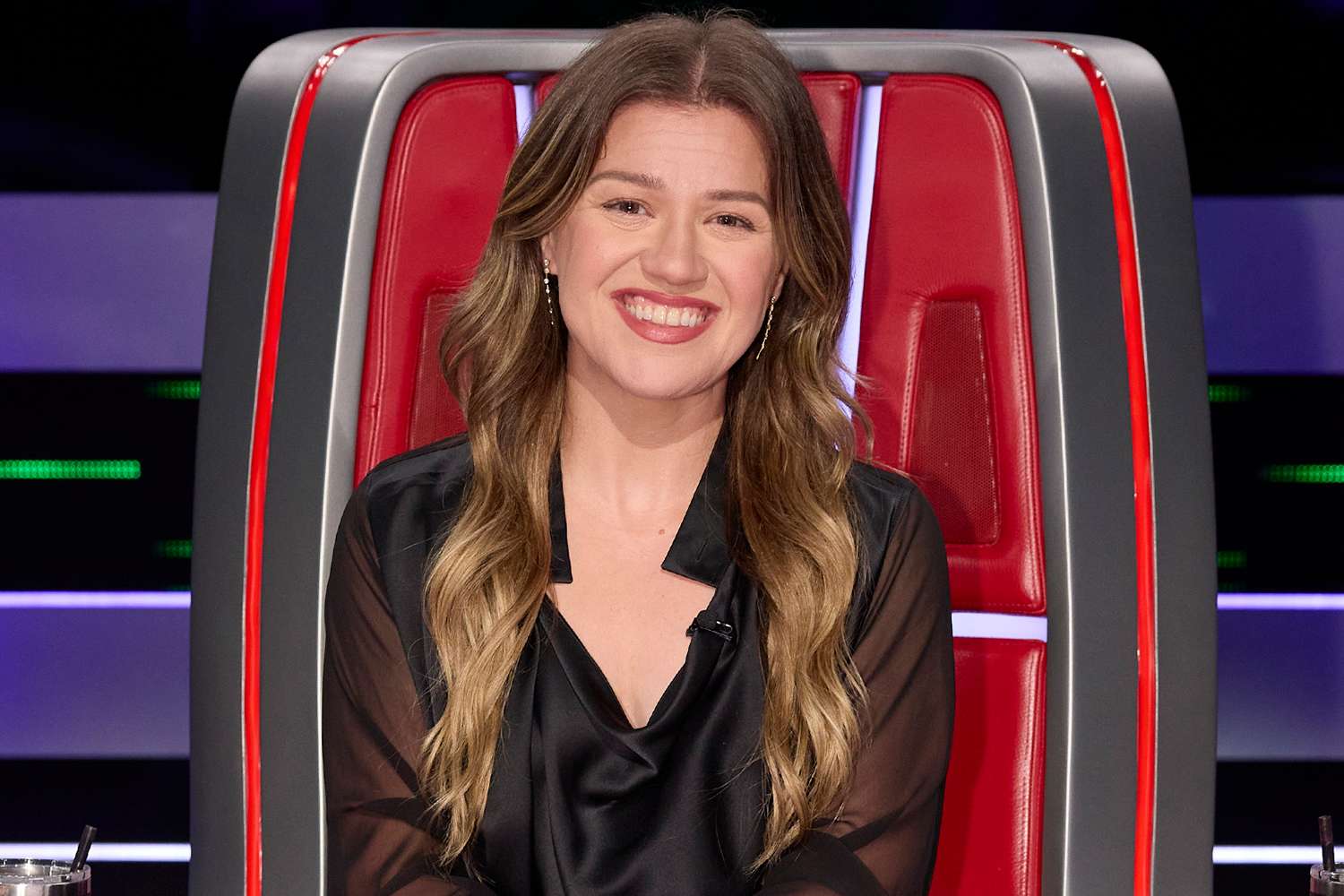
Kelly Clarkson may have the strongest team heading into the final weeks of The Voice Season 30, but Queen Latifah has something that could make her a surprisingly dangerous rival. With Mia Knight now standing as her only remaining contestant, the first-time coach has an opportunity to turn what appears to be a major disadvantage into one of the season’s most compelling underdog stories.
Following the November 23 live show, Clarkson emerged with three contestants still competing for the title. Adam Levine and Riley Green each have two, while Latifah is relying entirely on Knight to keep her hopes of winning Season 30 alive. Although the numbers appear to favor Clarkson, the competition may be considerably more unpredictable than the current team standings suggest.
The most interesting distinction between Clarkson and Latifah is how differently their remaining contestants could attract votes. Clarkson has three talented artists competing for the attention of viewers, while Latifah can dedicate her coaching efforts entirely to one singer. That does not guarantee Knight an advantage, but it creates an intriguing dynamic as the competition approaches its finale.
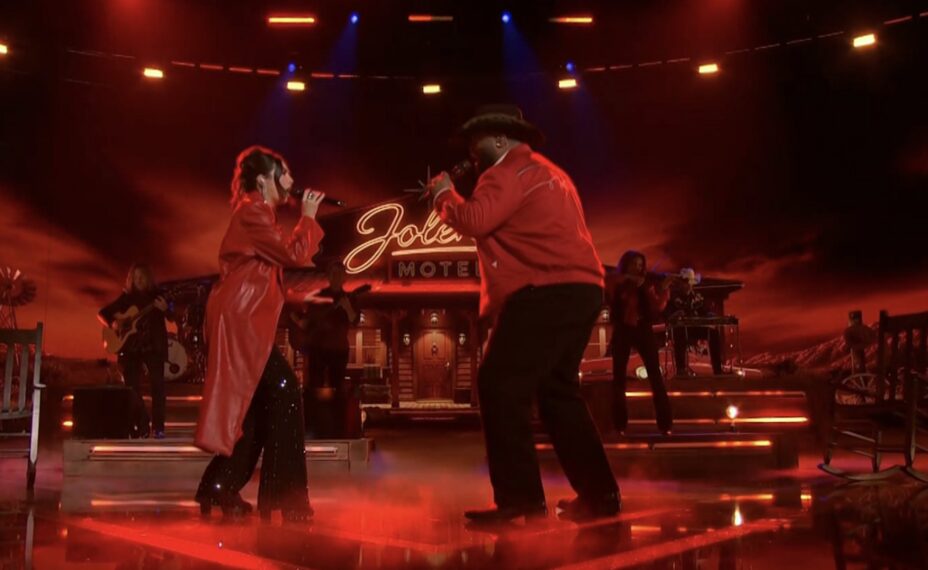
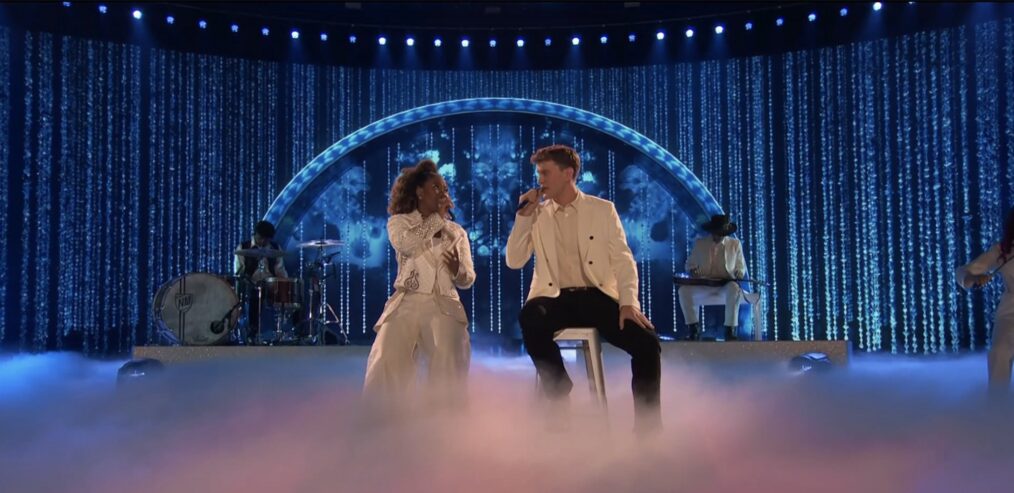
Knight demonstrated exactly why she should not be underestimated during Dolly Parton Night. Performing “Wrecking Ball” alongside Team Adam’s Lexi Stephens, she tackled a song that demands considerably more than powerful vocals. The emotional intensity of the ballad requires singers to balance vulnerability with explosive musical moments without allowing the performance to become overwhelming.
The song also carries an interesting musical history. Originally released by Miley Cyrus in 2013, it received a new interpretation when Parton collaborated with Cyrus for her 2023 album Rockstar. That combination of contemporary pop and Parton’s unmistakable musical identity made it an especially interesting selection for two contestants attempting to distinguish themselves in a crowded competition.
Queen Latifah’s reaction suggested that the performance accomplished what she had hoped it would. She praised how Knight and Stephens complemented each other and acknowledged the emotional impact of their collaboration. Both contestants ultimately advanced, giving them another opportunity to demonstrate their individual abilities during the upcoming live show.
For Knight, however, the circumstances surrounding her next performance will be dramatically different.
She no longer has another teammate sharing the responsibility of representing Queen Latifah. Every performance from this point forward could determine whether the coach remains involved in the competition as a contender. That additional responsibility might create pressure, but it could also give Knight an increasingly recognizable identity among viewers.
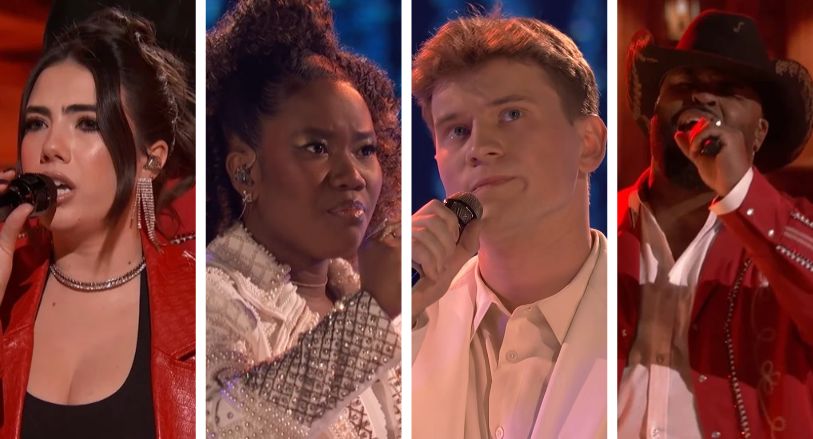
Clarkson faces an entirely different challenge. Her remaining contestants represent three distinct musical personalities, and each has already demonstrated an ability to survive difficult stages of the competition. What makes Team Kelly particularly interesting is that its members are at remarkably different points in their musical journeys.
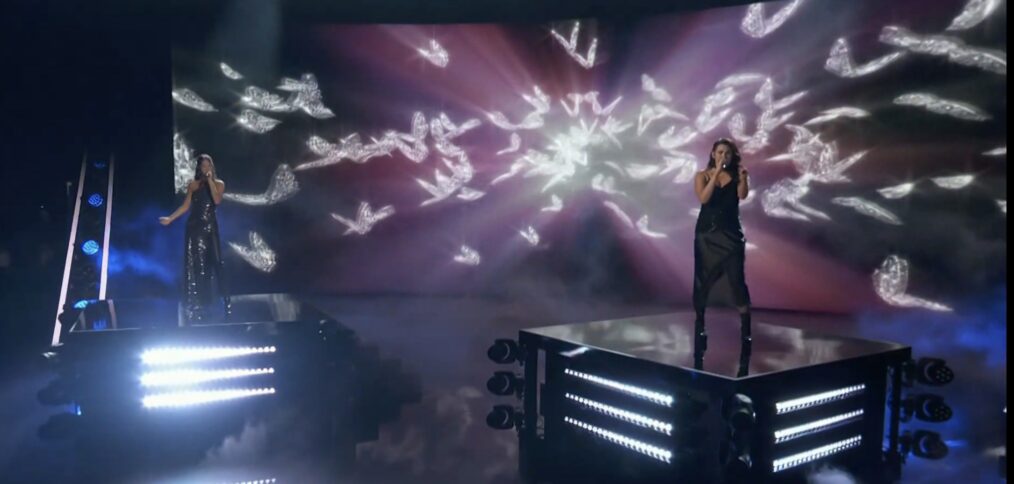
Brianna Cameron, at just 14 years old, has already taken on material that would intimidate many experienced professional singers. Her performance of “I Will Always Love You” alongside Connor Closs demonstrated the ambitious direction she has embraced throughout the competition. The fact that she is tackling such demanding songs at her age could become an important part of her appeal heading into the finale.
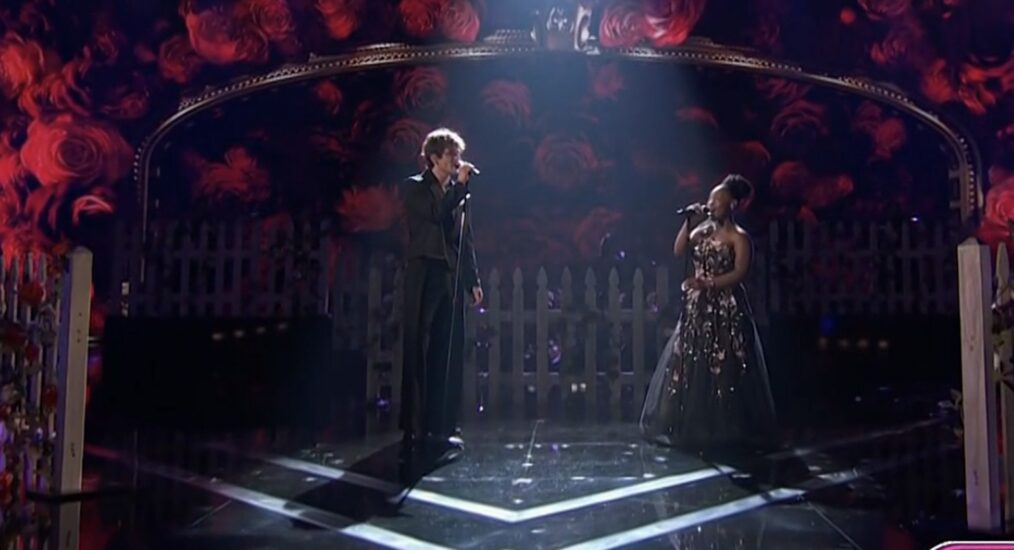
Then there is Koumba Diallo, another young vocalist whose musical connection with Joe Henley during Dolly Parton Night brought Clarkson to an emotional moment. Diallo’s ability to perform outside her familiar musical territory could prove particularly valuable as the remaining contestants encounter increasingly diverse themes.
Kyle Davis, meanwhile, has perhaps the most unusual journey of any remaining Team Kelly contestant. The 61-year-old singer previously lost his Cut Week sing-off against Cameron, only to receive another opportunity when America voted him back into the competition. Rather than allowing that setback to define his experience, Davis has continued advancing and now finds himself among the final eight artists.

That comeback represents something important that the other contestants cannot necessarily claim. Davis already knows what it feels like to have viewers actively rescue his competition journey. While previous voting success does not guarantee future results, it provides a compelling reason to consider him a serious contender.
However, having three strong contestants could create an interesting dilemma for Clarkson’s supporters. Viewers who admire all three artists may find themselves increasingly divided over which contestant they most want to see succeed. Individual performances will become even more important as the available places in the competition disappear.
Riley Green and Adam Levine are also well positioned to capitalize on any unexpected developments. Green’s remaining artists offer two different approaches to country music, with Joe Henley competing as a solo vocalist and Ferryn & Brinkley bringing the distinctive appeal of a sibling act. Levine has Connor Closs and Lexi Stephens, both of whom successfully navigated the Dolly Parton tribute.
The next episode could significantly alter the competitive landscape. On November 30, the remaining contestants will perform songs associated with TikTok’s viral music culture, moving away from the country legend’s catalog and into a theme that could challenge their adaptability.
For younger contestants such as Cameron and Diallo, the theme could offer an opportunity to connect with contemporary audiences. For more experienced performers like Davis, it could provide a chance to demonstrate that musical experience and artistic relevance are not determined by age.
Knight may have an equally interesting opportunity. Without another Team Queen contestant competing alongside her, she can enter the next round with a clear narrative: keeping her coach’s championship hopes alive while challenging seven other artists for a place in the Top 6.
In our view, Clarkson remains the coach with the strongest overall position, but dismissing Queen Latifah at this stage would be premature. Singing competitions are rarely decided simply by how many contestants a coach manages to retain. One exceptional performance, a particularly effective song choice, or a meaningful emotional connection with viewers can completely reshape the race.
There is also something compelling about watching a contestant carry an entire team into the closing stages of a competition. Knight does not need to outperform Clarkson’s entire team in one evening. She simply needs to continue giving America a convincing reason to vote for her.
With the December 14 finale getting closer, every remaining performance carries greater significance. Kelly Clarkson has three opportunities to secure another championship, but Queen Latifah only needs one.
Could Mia Knight become the unexpected contestant who stands between Clarkson and another Voice victory? Or does Team Kelly already have the eventual Season 30 winner among Brianna Cameron, Koumba Diallo, and Kyle Davis? The next live show could bring viewers much closer to answering that question.