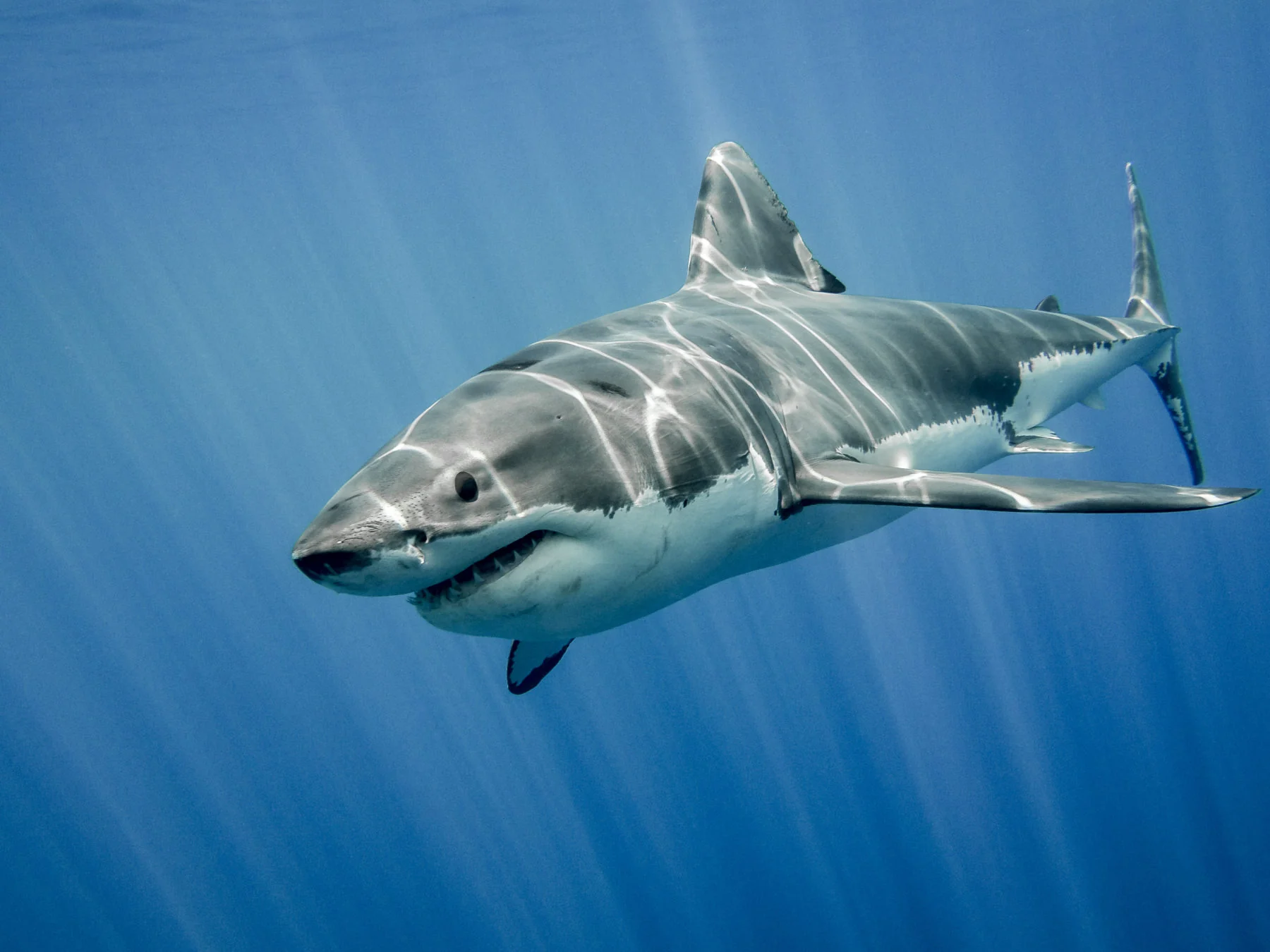
The great white shark has a reputation as one of the most terrifying predators on Earth. With razor-sharp teeth, extraordinary senses and the ability to launch explosive attacks, it appears almost untouchable.
But there is one animal capable of driving great white sharks away from their own hunting grounds: the orca.
Also known as the killer whale, the orca possesses a combination of intelligence, physical power and social cooperation that makes it one of the most formidable predators in the ocean.
Orca vs Great White Shark: How Do They Compare?
| Physical characteristics | Orca | Great white shark |
|---|---|---|
| Maximum length | Around 9 metres | Around 6 metres |
| Weight | Up to 6,000 kg or more | Around 2,000 kg or more |
| Hunting behaviour | Often hunts cooperatively | Primarily solitary |
| Animal classification | Marine mammal | Fish |
| Natural predators as adults | No regular natural predators | Orcas |
While great white sharks are incredibly powerful, adult male orcas can be significantly larger and heavier.
Why Do Orcas Hunt Great White Sharks?
One of the most fascinating discoveries about orcas is their preference for shark livers.
A great white shark’s liver is rich in oils and fats, making it an exceptionally valuable source of energy. Researchers in South Africa have discovered shark carcasses with their livers removed following suspected or confirmed orca attacks.
Some orcas appear to have developed highly specialised hunting behaviours that allow them to target this nutritious organ.
Great White Sharks Abandon Their Hunting Grounds
Perhaps the most remarkable aspect of this rivalry is what happens when orcas simply appear.
Research around California’s Farallon Islands has shown that great white sharks can abandon established feeding grounds following encounters with orcas and remain absent for extended periods.
This behaviour demonstrates how the presence of a single predator can influence the movements of another powerful species.
The Famous Orcas Port and Starboard
Two male orcas known as Port and Starboard have become famous for hunting sharks along the South African coastline.
Named after the directions in which their dorsal fins collapse, these orcas have attracted international scientific attention for their specialised predatory behaviour.
Their presence has also been associated with changes in the distribution of great white sharks in the region.
Intelligence Is the Orca’s Greatest Advantage
Orcas possess sophisticated social structures, communicate with one another and pass specialised hunting behaviours between generations.
Different orca populations have developed distinct hunting traditions, targeting everything from fish and seals to sharks and large whales.
Great white sharks are highly adapted predators, but orcas combine their physical abilities with remarkable social intelligence and cooperation.
Could a Great White Shark Defeat an Orca?
Although a great white shark is capable of inflicting serious injuries, documented encounters demonstrate that orcas can overpower even these formidable predators.
A large adult orca would generally have the advantage because of its size, strength and intelligence.
However, not every orca population hunts sharks, and individual encounters can vary considerably.
Final Verdict: Who Really Rules the Ocean?
The great white shark remains one of nature’s most impressive predators. But when it encounters shark-hunting orcas, its position at the top of the food chain is challenged.
The orca’s extraordinary combination of intelligence, physical power and adaptability makes it a strong contender for the title of the ocean’s ultimate apex predator.