Linda Ronstadt’s receives one of the nation’s highest cultural accolades in a ceremony filled with heartfelt tributes and powerful performances

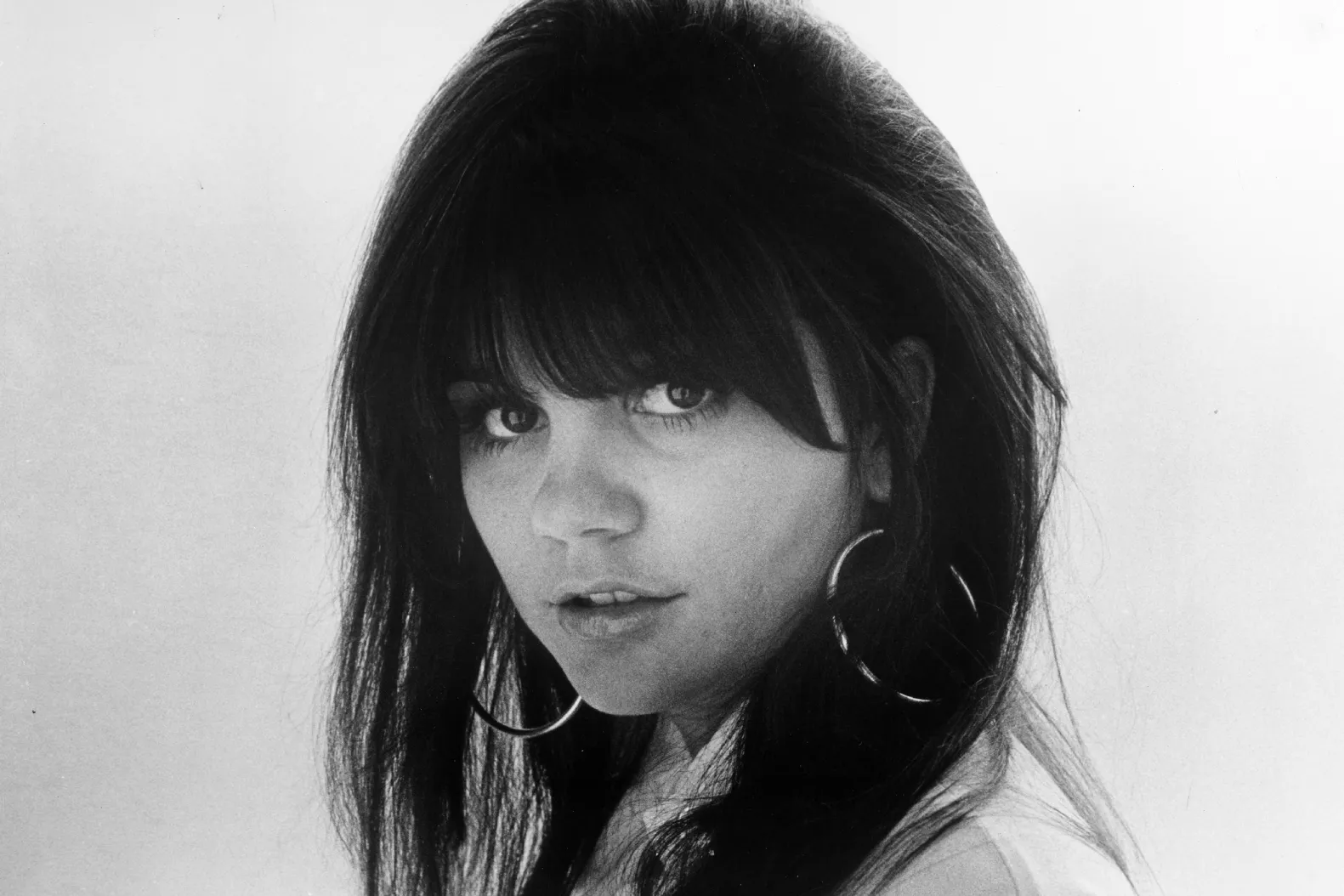
The 2019 Kennedy Center Honors didn’t just celebrate Linda Ronstadt—they gave America’s greatest vocal chameleon the national embrace she deserved. On December 29, inside the gilded concert hall, a frail but radiant Ronstadt, her once-mighty voice stilled by Parkinson’s, sat beside Justice Sonia Sotomayor as the evening unfolded like a love letter to her six-decade reign. Carrie Underwood ignited the stage with “Blue Bayou,” her crystalline high notes channeling Ronstadt’s 1977 live version, while Emmylou Harris and Bonnie Raitt traded smoky verses on “You’re No Good,” their guitars weaving the same fiery licks from Ronstadt’s 1974 smash.

The crowd erupted when Aaron Neville floated into “Don’t Know Much,” his buttery tenor recreating their Grammy-winning chemistry—yet the night’s most spine-tingling moment came when Cuban trumpeter Arturo Sandoval led a mariachi ensemble through “Cuando Me Enamoro,” honoring Ronstadt’s history-making Canciones de Mi Padre album that brought Mexican music to mainstream U.S. audiences.

Tributes poured in from Dolly Parton (via video) and Glenn Frey’s widow, while Don Henley, her Eagles collaborator, watched with misty eyes. The unspoken gravity hung in the air: This was the first major ceremony since Ronstadt’s 2013 memoir revealed her Parkinson’s diagnosis, and her last public appearance before the pandemic.

When President Obama—who’d awarded her the National Medal of Arts—appeared in the tribute reel calling her “a force of nature,” the room rose in a thunderous standing ovation. The broadcast, delayed until March 2020 due to editing, became an accidental time capsule of pre-COVID unity, with Ronstadt’s cross-cultural anthems (“Desperado,” “Long Long Time,” “Tumbling Dice”) reminding a fractured nation of music’s power to connect.

Backstage, insiders whispered that Ronstadt, ever the perfectionist, had initially resisted the honor, feeling her illness made her “a rusty old car.” But as the mariachis’ final notes rang out, her trembling hands clasped in gratitude, it was clear: This wasn’t just a tribute to a voice. It was a coronation of the woman who taught us all to sing without borders.

0 Shares:
Leave a Reply

Your email address will not be published. Required fields are marked *

You May Also Like
Read More

The arena was full long before the lights dimmed. Every seat was taken. The air carried that familiar mix of anticipation and respect that follows **Bruce Springsteen** wherever he plays. People had come for the songs—the ones that feel like hometown memories, the ones that sound like survival, the ones that have carried people through entire lifetimes. That night was supposed to be loud. It still was. But it also became something else. A Moment No One Expected Midway through the set, as Bruce stood under the spotlight with the E Street Band behind him, something shifted in the crowd. Near the edge of the floor, close to the barricade, a young soldier stood up. His uniform looked heavy on him. Not just the fabric—but everything it represented. He raised his hand slowly, firmly, and offered a salute that didn’t feel performative. It felt personal. Bruce saw him. The band eased down. The room went still. For a moment, thousands of people didn’t breathe. It was clear instantly—this wasn’t planned. This wasn’t part of the show. Stepping Away From the Stage Bruce didn’t turn it into a headline. He didn’t wait for security. He didn’t ask questions into the mic. He simply stepped forward, walked to the edge of the stage, and reached out. Up close, the soldier looked like he was holding back tears he didn’t want anyone to see. His salute stayed in place, like it was the only way he knew how to say everything at once. Bruce met him with something quieter than words—an open hand, a nod, a look that said: *I see you.* “Your Music Brought Me Home” When the soldier finally spoke, his voice shook. “Your music… brought me home.” He said that during the hardest nights overseas, when everything felt too loud inside his head and sleep wouldn’t come, Springsteen’s songs were the one thing that made him feel human again. Not a machine. Not a weapon. Not a number. Just a person trying to hold on. Those songs didn’t just entertain him. They reminded him what he was fighting to return to. No Words Were Needed Bruce didn’t answer with a speech. He didn’t try to make it inspirational. He didn’t need to. He simply took the soldier’s hand and held it for a moment longer than most people would. Long enough for the soldier’s face to change. Long enough for the crowd to understand. One Shared Heartbeat When Bruce finally stepped back, the band kicked in again and the show continued. The sound got louder. The crowd came alive. But everyone in that arena knew the truth. The most powerful moment of the night wasn’t the song. It was the silence before it. Two men. Two different battles. One shared heartbeat of gratitude.

The arena was full long before the lights dimmed. Every seat was taken. The air carried that familiar…