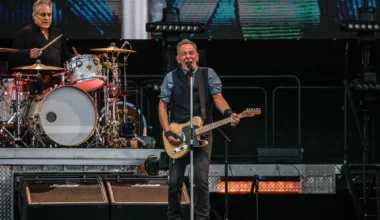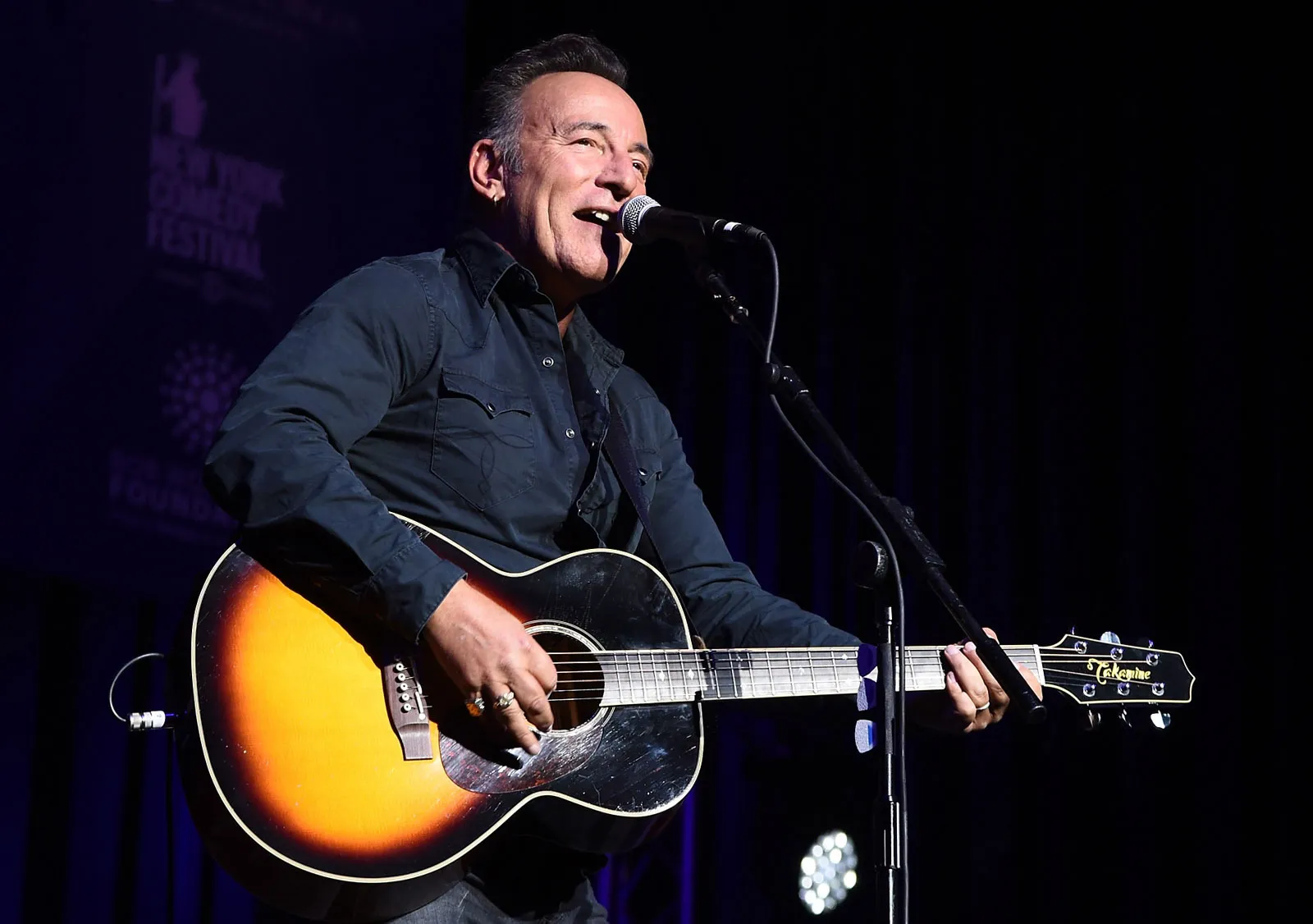
At a surprise winter appearance during the Light of Day Winterfest in Red Bank, New Jersey—his home state—Bruce Springsteen transformed a benefit concert for Parkinson’s research into a poignant act of remembrance and protest. He dedicated his timeless anthem “The Promised Land” to Renee Nicole Good, the Minneapolis mother of three who was fatally shot by an ICE agent on January 7, 2026.
Before launching into the song, Springsteen delivered a heartfelt and forceful address to the crowd, describing the United States as “beautiful but flawed” and warning that its core ideals of freedom, democracy, and the rule of law are under unprecedented strain today. He directly linked those themes to the events in Minneapolis, condemning federal immigration enforcement operations that deploy heavily armed, masked agents in American cities.
“If you stand against heavily armed masked federal troops invading American cities and using Gestapo tactics against our fellow citizens… then send a message to this president,” Springsteen declared, echoing urgent calls from Minneapolis leaders demanding the immediate removal of federal agents following Good’s death.
He then made the dedication explicit: “This one is for you, and the memory of the mother of three and American citizen, Renee Good.”
In that moment, “The Promised Land”—long an ode to American possibility, resilience, and the pursuit of a better tomorrow—carried new gravity as both tribute and call to action. The performance honored Good’s life while spotlighting urgent questions of justice, accountability, and the exercise of power in communities nationwide.
The remarks and dedication spread rapidly online and in the media, becoming a flashpoint for discussion about the intersection of music, civic engagement, and collective memory. Good’s killing has already triggered widespread protests, public outrage, resignations from Justice Department officials, and a deepening national conversation about federal tactics and oversight.
For those who believe in the enduring power of music to foster connection, remembrance, and meaningful change, moments like this remind us why shared voices and stories still matter.