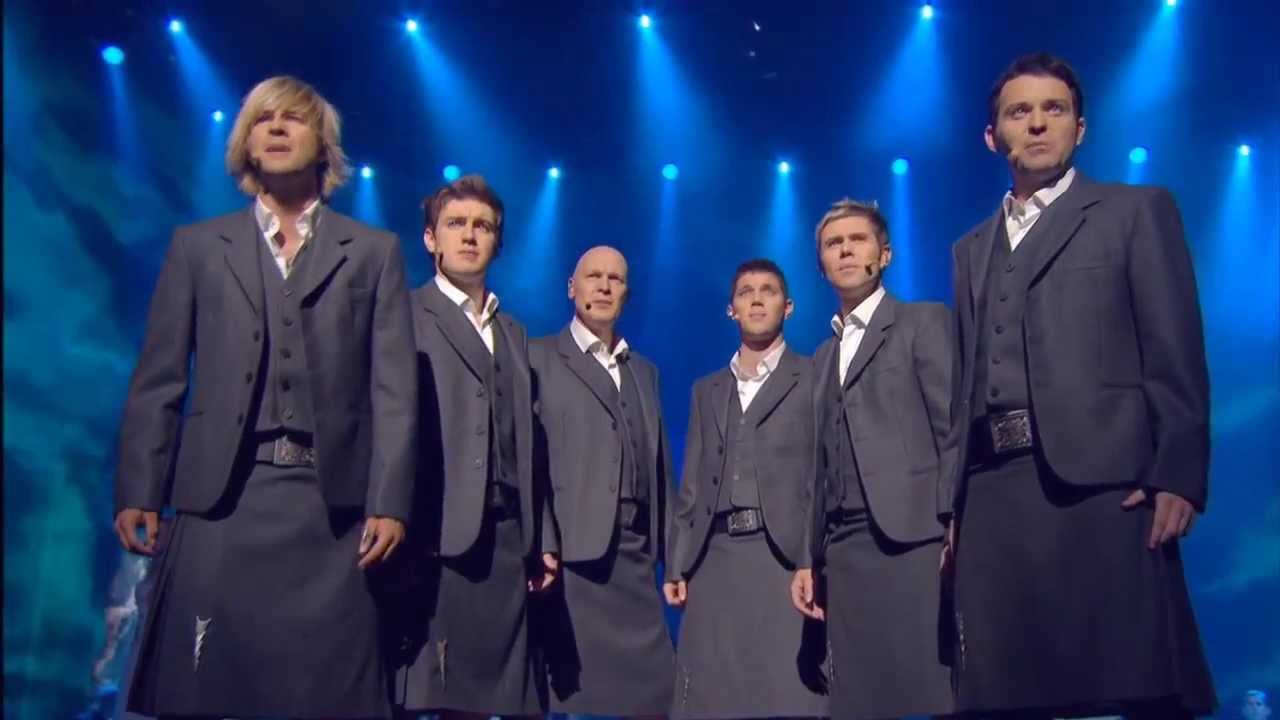
With a portfolio of moving performances that honor their Celtic roots, Celtic Thunder never fails to transport audiences with their heartfelt renditions of beloved folk songs.
And their performance of “Song for the Mira” is a stirring reminder of the group’s ability to blend music, storytelling, and emotion into something timeless.

Filmed during a 2011 concert in Kansas City, the set showcased the Irish-Scottish ensemble—men ranging in age from 21 to 42—standing on a stage designed with the outline of a ship.
With the atmosphere evoking the deck of a vessel at sea, the staging underscored the song’s theme of longing and distance, as if the singers themselves were yearning to return home across the water. Adding to the poignancy, a young boy joined the group for this particular performance, his voice weaving seamlessly into the harmonies and heightening the emotional weight of the piece.

Originally written in 1973 by Canadian songwriter Allister MacGillivray, “Song for the Mira” has become a cherished anthem of Cape Breton, Nova Scotia. Its lyrics paint a picture of simple beauty and community—old men fishing on warm afternoons, neighbors gathering without complaint—and a heartfelt yearning to return to the Mira River’s magical landscape.
Lines like “I wish I was with them again” capture the universal ache of homesickness, resonating with anyone who has ever longed for their own hometown.
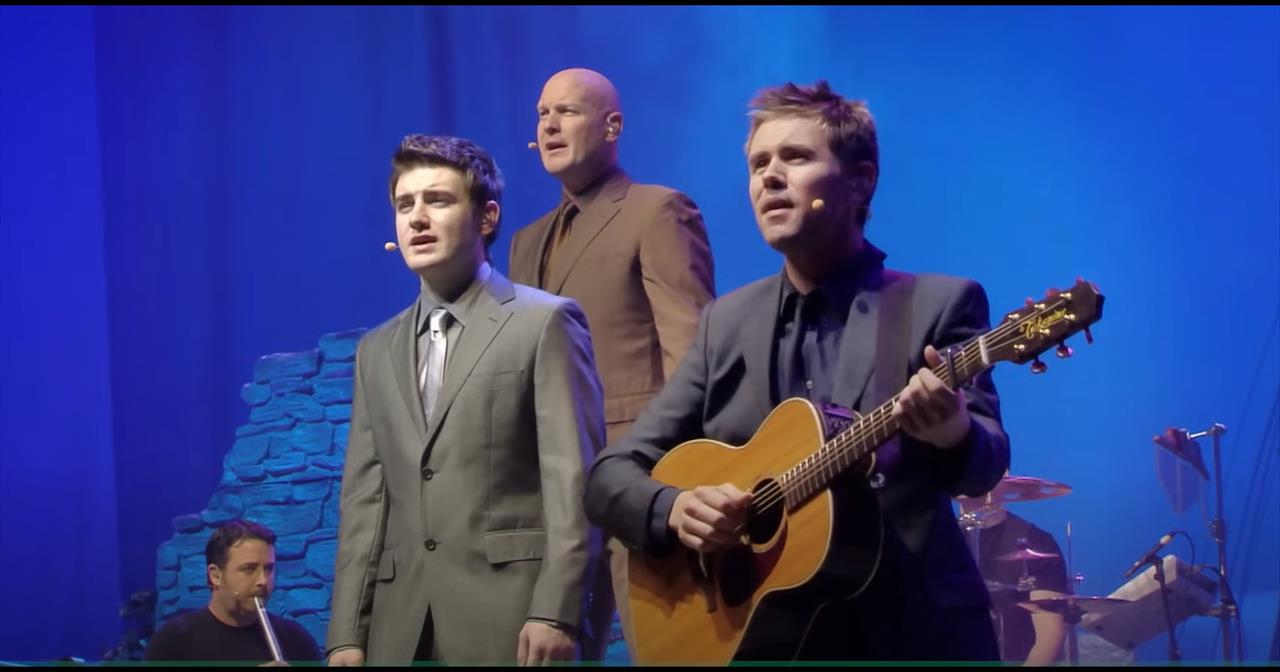
Though the song has been covered more than 300 times, rising to prominence when Anne Murray popularized it in 1982, Celtic Thunder’s version stands apart. Their rich vocal layering, powerful stage presence, and visual storytelling bring new depth to a folk standard already steeped in nostalgia.

For many viewers, the performance not only spotlighted the Mira itself but also stirred memories of their own roots, reminding them of the places and people they yearn to return to.
Whether or not you’ve ever set foot in Nova Scotia, Celtic Thunder’s “Song for the Mira” performance has the rare ability to move audiences to tears. It is less a concert piece and more a shared moment of reflection—a song about one river that somehow becomes a song for everyone’s home.