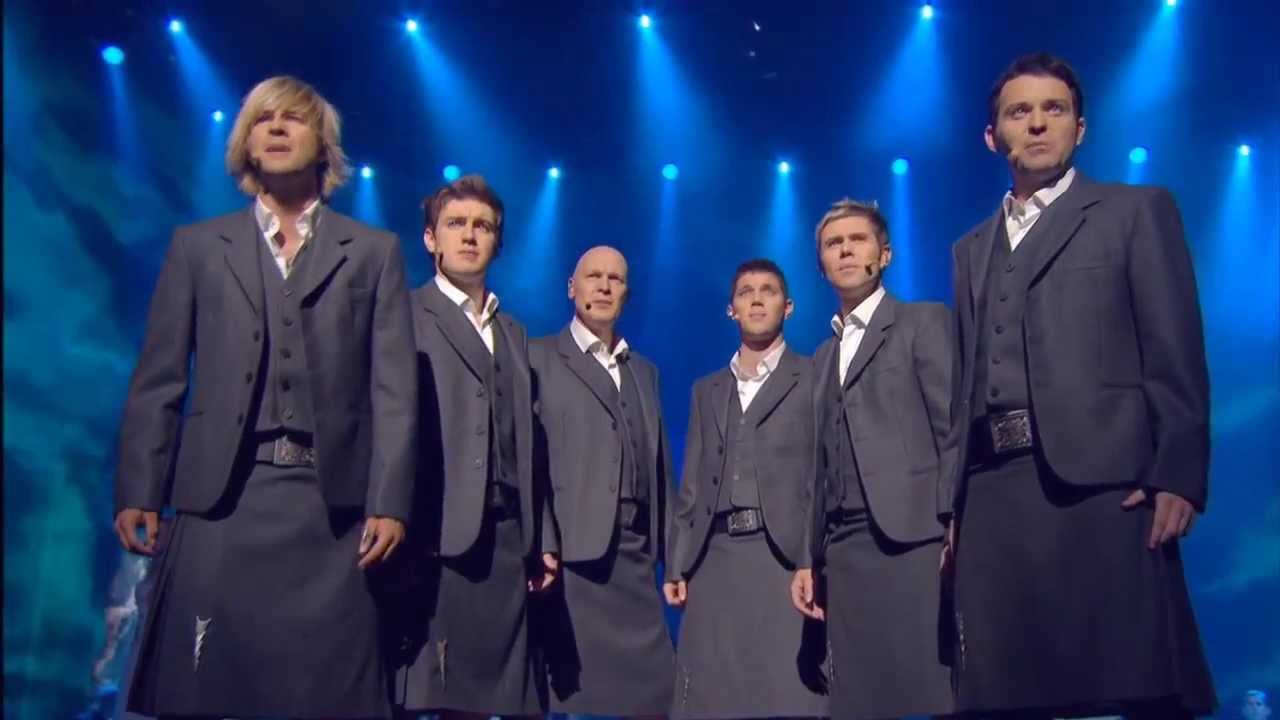
There are musical acts that dominate charts, and then there are acts that quietly embed themselves into people’s lives. Celtic Thunder belongs firmly to the latter. Nearly two decades after their debut, the Irish vocal group continues to inspire devotion that feels less like fandom and more like family.
With renewed attention surrounding reunion performances and legacy tours, Celtic Thunder’s story is once again taking center stage — not as a comeback fueled by trends, but as a reminder of what happens when music is built on sincerity, storytelling, and emotional truth.
A Group Born From Story, Not Spectacle
When Celtic Thunder first emerged in 2007, the global music scene was dominated by pop maximalism and fast-moving trends. Yet Celtic Thunder chose a different path. Instead of chasing radio formulas, they leaned into heritage, narrative, and emotional resonance.
Their performances felt theatrical without being artificial. Songs were introduced with context. Personal histories were shared. Audiences weren’t just listening — they were being invited into a story that stretched across generations and continents.
This approach allowed Celtic Thunder to transcend the typical lifespan of a vocal ensemble. Their music didn’t belong to a single era; it belonged to moments.
The Power of Voices That Grow With You
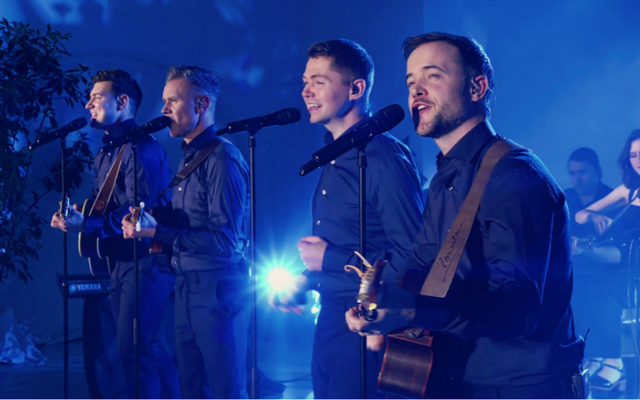
One of Celtic Thunder’s defining strengths has always been its evolving lineup. Rather than weakening the group, these changes became part of its identity. Each voice brought a new emotional shade, allowing the music to mature alongside its audience.
Fans didn’t just witness artists perform — they watched them grow. Young singers became seasoned performers. Confident voices softened with experience. Youthful bravado gave way to reflection. And through it all, the music gained depth.
That evolution created a rare bond. Many listeners didn’t simply remember Celtic Thunder — they aged with them.
Why the Reunion Resonates So Deeply
In today’s industry, reunions are often framed as nostalgia plays. But Celtic Thunder’s return carries a different weight. It isn’t about recreating the past note for note. It’s about revisiting songs with the lived experiences of years in between.
Hearing familiar melodies after time has passed changes everything. Lyrics land differently. Harmonies feel heavier. Silence between notes speaks louder. What once felt romantic might now feel reflective; what once felt triumphant may now feel grateful.
This is what makes Celtic Thunder’s reunion moments so powerful: they acknowledge time rather than pretending it didn’t happen.
A Global Audience, A Shared Emotional Language
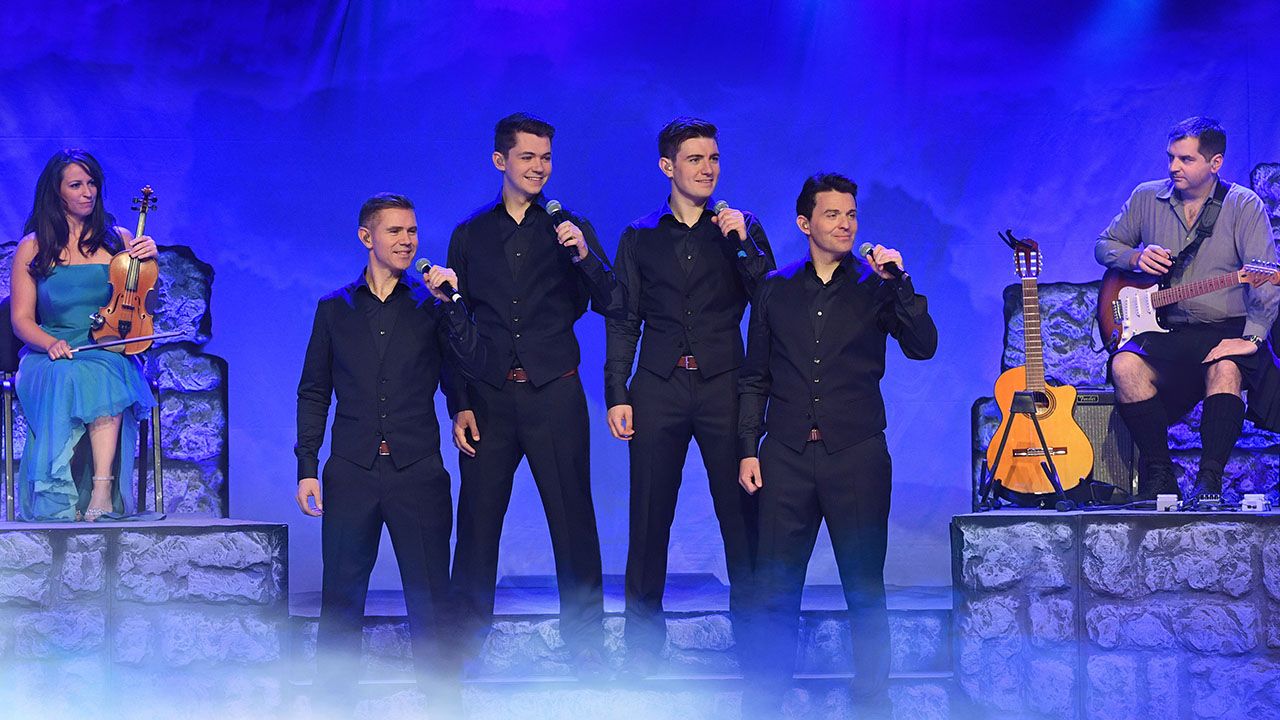
Celtic Thunder’s reach has always extended far beyond Ireland. Audiences in Australia, North America, and Europe embraced the group not just for their sound, but for the way their music felt universal. Themes of home, longing, faith, and resilience crossed borders effortlessly.
For many fans, attending a Celtic Thunder concert became a ritual — something shared with parents, partners, or children. The music became part of family memory, woven into life events both joyful and painful.
That kind of connection doesn’t disappear when tours end. It waits.
Music That Refuses to Expire
In an era dominated by algorithms and short attention spans, Celtic Thunder stands as proof that music rooted in authenticity does not have an expiration date. Streaming platforms and social media have introduced the group to new generations, while longtime listeners continue to return to songs that feel like emotional landmarks.
The renewed interest surrounding Celtic Thunder isn’t about chasing relevance. It’s about rediscovering something that never truly left.
And perhaps that’s the group’s greatest achievement: creating music that people don’t just hear — they carry it with them.