When Kelly Clarkson stepped into daytime television, the skepticism wasn’t loud—but it was everywhere.
It lived in industry conversations. In cautious executive decisions. In the quiet assumption that success in music doesn’t automatically translate to success in hosting.
Because daytime TV has its own rules.
And Clarkson didn’t follow them.
The unspoken rule she broke from day one
Daytime talk shows are traditionally built on control.
Hosts are expected to guide conversations with precision, manage tone shifts seamlessly, and maintain a consistent on-screen persona that feels polished and dependable. It’s a format shaped by decades of refinement.
Clarkson didn’t try to master that system.
She disrupted it—by being herself.
That sounds simple. It isn’t.
Because authenticity, when it’s real, is unpredictable. It doesn’t always land cleanly. It doesn’t always follow timing. And in a format that relies on structure, unpredictability can feel like a risk.
But for Clarkson, it became the foundation.
Why the industry underestimated her
The doubt wasn’t entirely unreasonable.
Hosting a daily talk show requires a different skill set than performing on stage:
- You have to listen as much as you speak
- You have to react in real time, not rehearse
- You have to carry emotional range—from light humor to serious topics—sometimes within minutes
Many artists struggle with that transition because performance and conversation are not the same discipline.
But Clarkson had something the industry didn’t fully account for:
She had already been practicing these skills for years—just in a different context.
Great singers don’t just hit notes.
They interpret emotion.
They listen—to music, to timing, to audience response. They adjust in the moment. They communicate feeling in a way that feels immediate and unscripted.
Those same instincts translate remarkably well to hosting—if you trust them.
Clarkson did.
Instead of approaching interviews like a journalist, she approached them like a collaborator in a conversation. She didn’t interrogate. She engaged.
And that changed the tone of the show immediately.
“Kellyoke” wasn’t a gimmick—it was a strategy
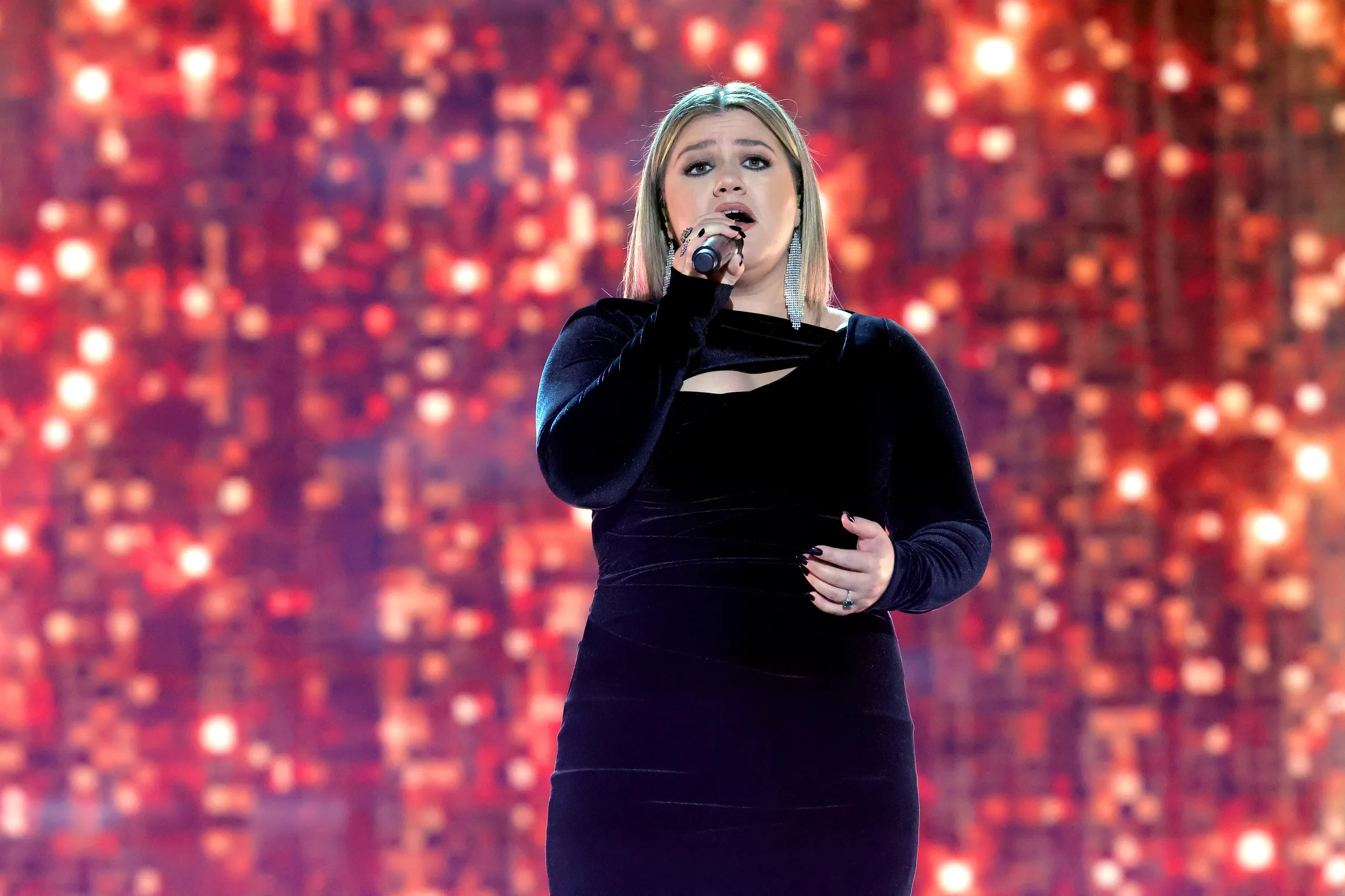
At first glance, opening each episode with a song might seem like an obvious move for a singer.
But “Kellyoke” did something more strategic than simply showcasing her voice.
It anchored the show in familiarity.
Before any interviews began, viewers were reminded of who Clarkson is at her core. That created trust. It created continuity. And it allowed the rest of the show to feel less like a format shift and more like an extension of her identity.
Instead of separating her music career from her hosting role, she merged them.
That integration turned a perceived weakness into a signature.
The real reason audiences stayed
Plenty of shows have strong openings.
What made Clarkson’s show stick was what happened after.
She listens.
That sounds basic, but it’s rare.
Guests often arrive on talk shows expecting to deliver prepared stories, promote projects, and move through familiar beats. With Clarkson, conversations can drift. They can deepen. They can become unexpectedly emotional—or unexpectedly funny.
Because she responds, not just reacts.
That difference is subtle, but viewers feel it immediately.
Why three consecutive Emmys mattered
Winning a Daytime Emmy once is recognition.
Winning it three times in a row is something else.
It signals consistency—not just a strong debut, but sustained excellence in a format that demands daily performance.
More importantly, it signaled a shift in what the industry values.
For years, polish was the standard. Precision, control, and predictability defined success.
Clarkson’s wins suggested something different:
Authenticity could compete—and win—at the highest level.
The moment perception flipped
At some point, the narrative changed.
She wasn’t “a singer trying to host” anymore.
She was a host.
A legitimate, established presence in daytime television who could carry a show, connect with audiences, and deliver consistently.
That shift didn’t happen because she proved she could follow the rules.
It happened because she proved she didn’t need to.
Why her style works now more than ever
Modern audiences are more media-aware than ever before.
They can sense when something is overly produced. When conversations are too polished. When emotions feel rehearsed.
Clarkson’s approach cuts through that.
She laughs when something is genuinely funny.
She gets emotional when something is genuinely moving.
She allows moments to unfold instead of rushing past them.
That creates a different viewing experience—one that feels less like a show and more like a shared space.
The myth of the “overnight success”
From the outside, Clarkson’s transition into daytime TV might look seamless.
It wasn’t.
It required adaptation. Learning pacing. Managing production demands. Balancing entertainment with empathy.
The difference is, she didn’t try to become a different version of herself to meet those demands.
She expanded what she already was.
What her success actually proves
Kelly Clarkson’s rise in daytime television doesn’t just tell a story about one person succeeding in a new field.
It challenges a broader assumption:
That expertise must always follow a traditional path.
She didn’t come up through broadcasting.
She didn’t spend decades behind a desk.
She didn’t fit the expected mold.
And yet, she succeeded—because she brought something the mold didn’t account for.
Genuine connection.
A new blueprint for daytime TV
Clarkson didn’t just find success within the existing system.
She subtly reshaped it.
By blending music with conversation.
By prioritizing authenticity over polish.
By treating guests as people, not segments.
She created a version of daytime television that feels more fluid, more personal, and more reflective of how people actually communicate.
The quiet irony of it all
The same thing that made executives hesitant—the fact that she wasn’t a traditional host—became the reason she stood out.
She didn’t need to unlearn habits.
She built new ones.
And in doing so, she proved something that applies far beyond television:
Sometimes the people who don’t fit the format are the ones who evolve it.
From doubt to definition
Today, Kelly Clarkson’s talk show success isn’t surprising.
But that’s only because it worked.
At the beginning, it wasn’t obvious at all.
And that’s what makes the story compelling.
Not that she succeeded.
But that she succeeded by staying exactly who she was—when everyone expected her to become something else.