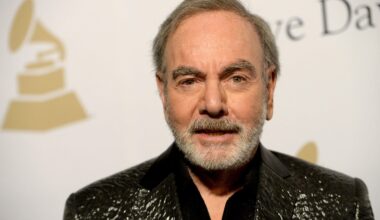
Gene Simmons, the infamous frontman of KISS, is a name that evokes a whirlwind of emotions.
To some, he is a rock god, a titan of the music industry.
To others, he is a self-absorbed narcissist who thrives on controversy.
But what if I told you that this man, who has built an empire on shock and awe, is also a devoted family man?
This paradox is what makes Gene Simmons a figure of fascination and disdain in equal measure.
Imagine a man who has boasted about his conquests, his wealth, and his feuds.
A man who has never shied away from the limelight, yet has managed to maintain a semblance of normalcy in his personal life.
How does one reconcile the flamboyant persona of “The Demon” with the caring father and partner he claims to be?
This is the crux of Simmons’ enigma.
From the moment KISS exploded onto the scene in the 1970s, Gene Simmons was not just a musician; he was a brand.
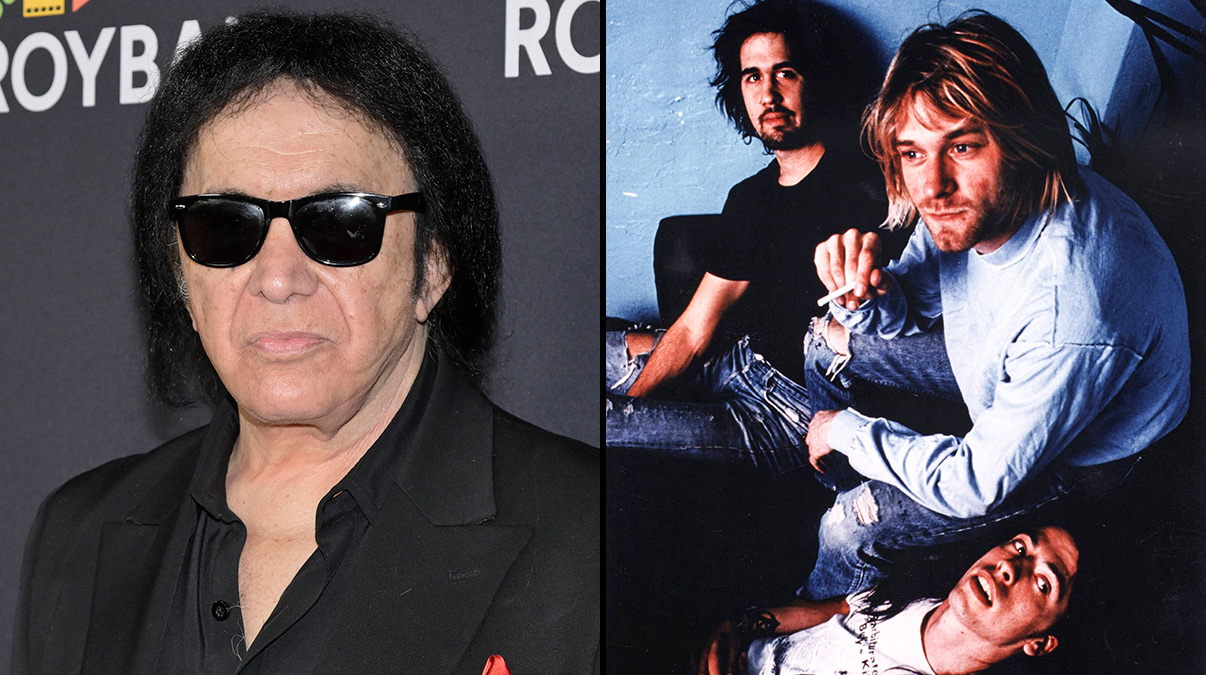
He understood the power of marketing before most of his contemporaries even grasped the concept.
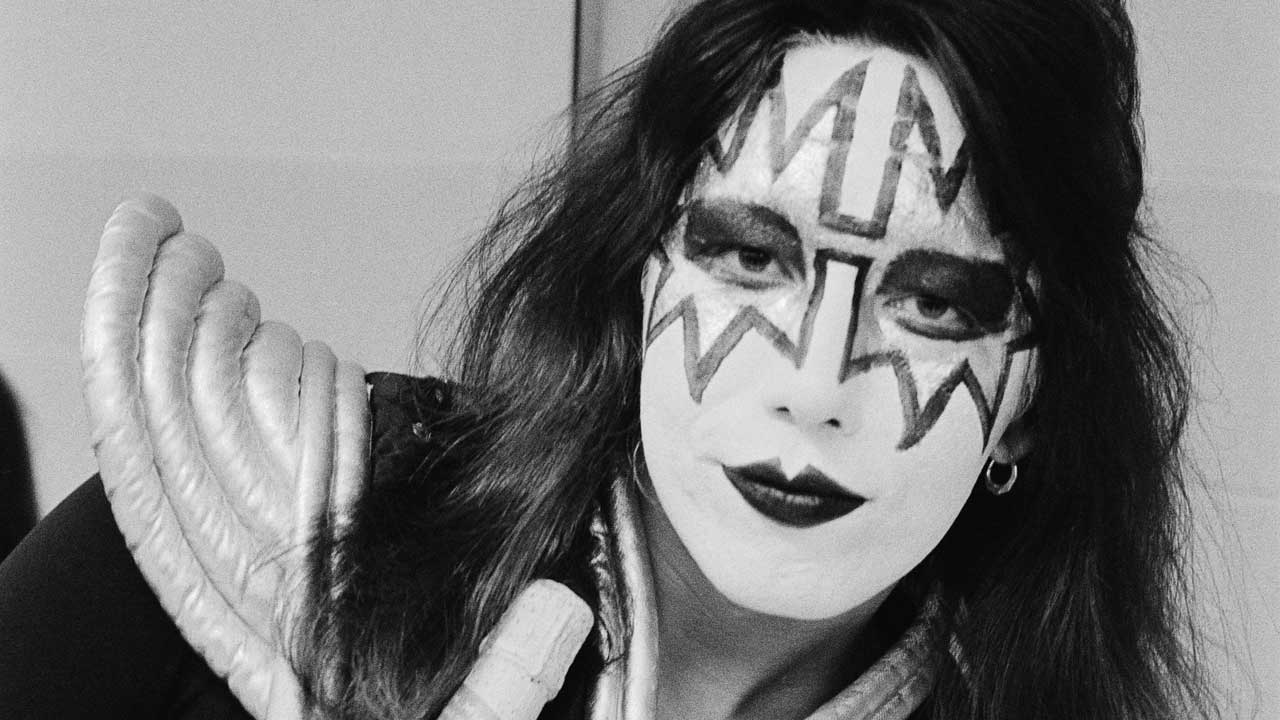
With his iconic face paint and larger-than-life stage presence, he crafted a persona that was both captivating and repulsive.
He reveled in the chaos he created, often using it to fuel his career.
But beneath the layers of make-up and bravado lies a man who has made choices that defy the rock star stereotype.
For instance, Gene Simmons has never smoked a cigarette or taken a drink of alcohol.
In a world where excess is the norm, his sobriety is almost shocking.
He has raised his children with a sense of responsibility and discipline, something rarely seen in the rock and roll lifestyle.
He has been committed to the same woman for nearly four decades, a feat that seems almost impossible in the entertainment industry.
So, why do people hate Gene Simmons?
Is it because he embodies the very essence of capitalism, turning art into a commodity?

Or is it because he has the audacity to flaunt his successes while simultaneously presenting himself as a family man?
The truth is, Gene Simmons is a walking contradiction.
He has built a career on being unapologetically himself, yet that very authenticity rubs many the wrong way.
His brash comments and unapologetic attitude often overshadow the more admirable aspects of his life.
In interviews, he has made statements that many find offensive, often regarding women and relationships.
These comments have led to a backlash that has followed him throughout his career.
Despite this, he remains unfazed, continuing to push boundaries and provoke reactions.
It’s this relentless pursuit of notoriety that keeps him in the public eye, whether for better or worse.
As KISS continues to tour and release new music, Simmons remains at the helm, steering the ship through turbulent waters.
His ability to adapt to changing times while maintaining his core identity is a testament to his resilience.

Yet, the question remains: can one truly separate the man from the myth?
As fans and critics alike dissect his life and career, it becomes clear that Gene Simmons is a reflection of our own contradictions.
He embodies the struggle between fame and family, excess and restraint.
In a world that often demands conformity, he stands out as a beacon of individuality.
But with that individuality comes a price.
The hate directed toward him is not just about his actions but also about what he represents.
He is a reminder that success often comes with a dark side, one that many are unwilling to confront.
As we continue to grapple with the complexities of celebrity culture, Gene Simmons will undoubtedly remain a polarizing figure.
His legacy is one of triumph and turmoil, a narrative that invites both admiration and disdain. In the end, the question of why everyone hates Gene Simmons may never have a definitive answer. Perhaps it is simply because he dares to be unapologetically himself in a world that often demands otherwise.
And as the curtain falls on another chapter of his life, one thing is certain: Gene Simmons will continue to provoke thought and ignite debate for years to come.
His story is far from over. In fact, it may just be beginning. What will the next act hold for this enigmatic rock star? Only time will tell.