By the mid-1980s, Freddie Mercury had reached a point where even Queen—the band that made him immortal—could no longer contain everything he wanted to express. After years of defining rock on his own terms, he began to feel a growing need to explore something different. Not because he was abandoning Queen, but because there were parts of himself that didn’t belong within its boundaries.
“I had a lot of ideas bursting to get out,” Freddie later admitted. “There were a lot of musical territories I wanted to explore which I really couldn’t do within Queen.”
This realization led him to create Mr. Bad Guy, his first solo album, released in 1985. It wasn’t designed to compete with Queen. It was designed to reveal the parts of Freddie that Queen couldn’t fully show.
Working closely with producer Reinhold Mack, Freddie moved toward sounds that leaned more heavily on dance, disco, and electronic textures. The album wasn’t driven by trends or expectations. It was driven by instinct. Freddie wasn’t trying to fit into a specific genre or audience. He was following his own emotional direction.
Unlike his work with Queen, Freddie took control of nearly every aspect of the project. He shaped the arrangements, guided the production, and immersed himself in the entire creative process. The result was an album that moved through a wide emotional spectrum—joy, loneliness, desire, and vulnerability—reflecting the contradictions he was living through at the time.
Freddie began to recognize something unexpected in his own music. Even when he tried to write about different subjects, his songs kept returning to emotion.
“My songs are all under the label ‘emotion,’” he said in 1985. “It’s emotion and feeling. Because I have gone through all that, I’m encompassing it and putting it into songs.”
There was an honesty in Mr. Bad Guy that felt more exposed than anything he had done before. Songs like “Made in Heaven” and “There Must Be More to Life Than This” revealed a quieter side of Freddie—one filled with reflection, longing, and questions that had no easy answers. These weren’t songs built for stadiums. They were built from his inner life.
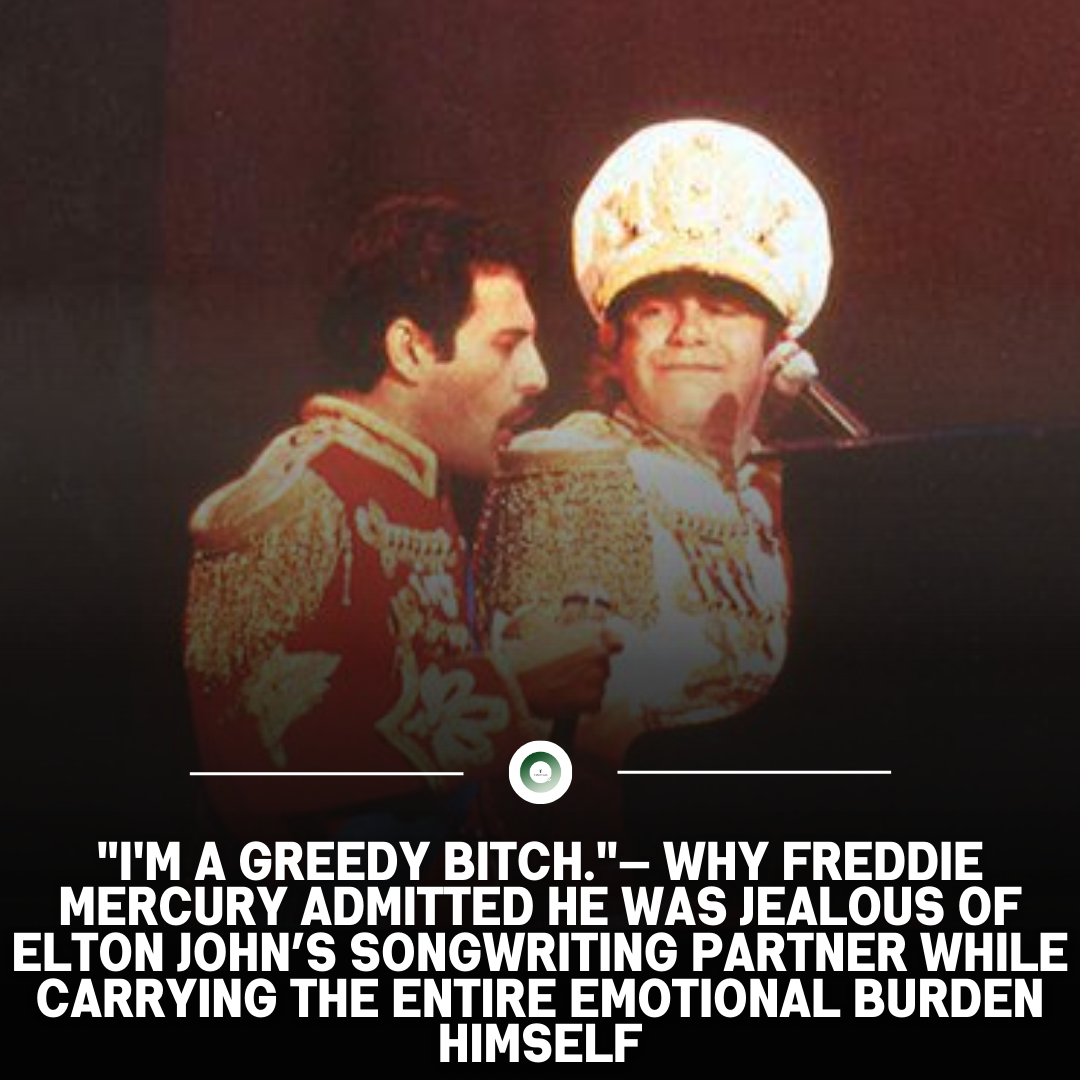
At the same time, working alone presented challenges. Freddie had always thrived in collaboration, even when he maintained strong creative control. Writing lyrics without a dedicated partner became one of the most difficult parts of the process. He openly admitted his frustration, even expressing envy toward artists like Elton John, who worked closely with lyricist Bernie Taupin.
“I hate writing lyrics,” Freddie said candidly. “I wish somebody else could do it. I wish I had a Bernie Taupin. But I like to do it all myself.”
That contradiction defined the album. Freddie wanted total creative freedom, even when it made things harder. He was driven by the need to create something entirely his own, without compromise.
Looking back, Freddie described himself during that time as “a man of extremes.” Mr. Bad Guy became a reflection of that reality. It wasn’t just a collection of songs. It was a portrait of Freddie Mercury outside the structure of Queen—exposing every side of his personality, from confidence to uncertainty.
It showed that even at the height of his fame, Freddie Mercury was still searching—not for success, but for himself.