Keith Harkin has always been known for his ability to transform songs into stories.
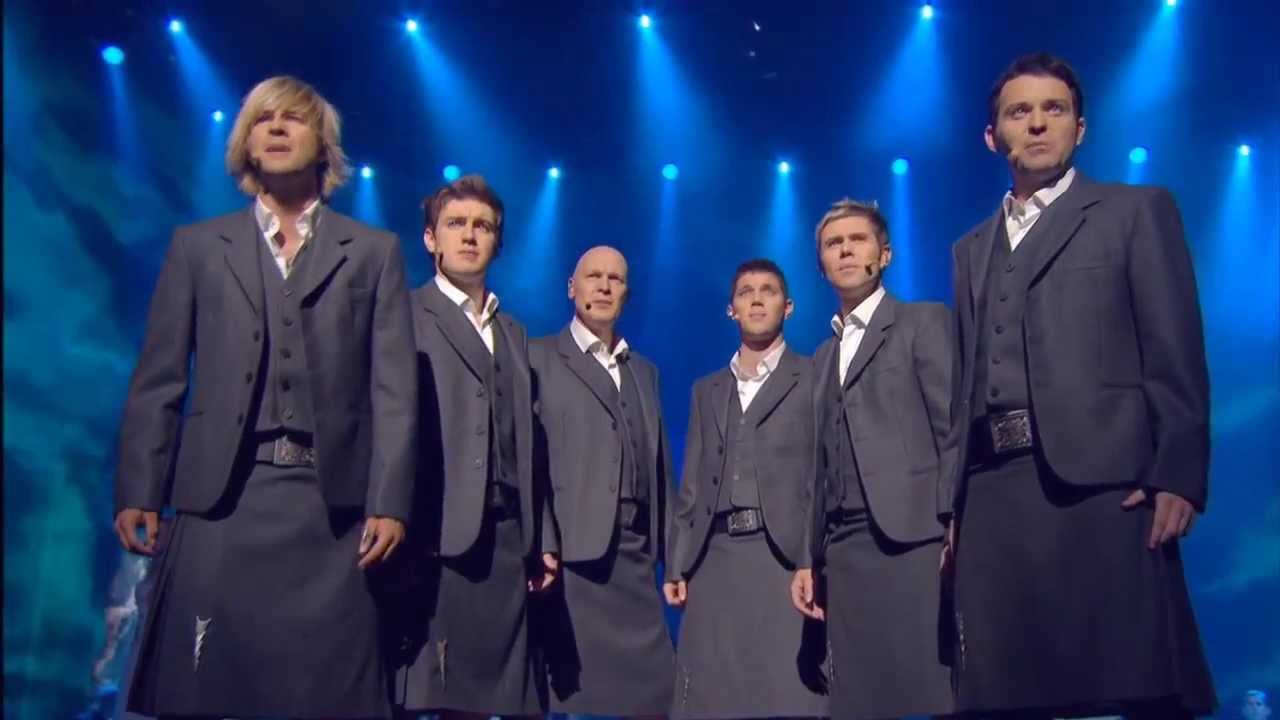
That gift was on full display during Celtic Thunder’s 2007 Dublin concert, when Harkin delivered a poignant performance of The Island. His rich Irish brogue wrapped around every lyric, elevating Paul Brady’s ballad into something timeless.

Far more than just a singer, Harkin seemed like a storyteller guiding the audience through a bittersweet tale of love and conflict. Subtle smiles tugged at the corners of his mouth, his eyes carrying a mischievous glint that contrasted beautifully with the song’s somber themes.
The result was a performance that managed to be both heartbreaking and deeply human, reminding audiences that the power of music lies not just in melody, but in emotion.
Much like Kelly Clarkson’s celebrated reimaginings of classic ballads, Harkin’s rendition of The Island resonated far beyond the stage. Fans continue to return to the performance nearly two decades later, with many flooding the video’s comments section to praise both the song and Harkin’s delivery.

“Lovely to listen to a song where you can understand the words and the melody is so beautiful. Absolutely wonderful,” wrote one admirer. Another declared: “Keith has such a beautiful voice and this song is amazingly gorgeous. God bless you all.”
For many, Harkin’s brogue is what makes the performance unforgettable. “I love his rich Irish accent,” shared a fan who saw him live in Australia, “Such a beautiful voice and so gorgeous to look at. Missed him when he left Celtic Thunder… but he has a wonderful solo career.”

Others praised his ability to embody the song’s storytelling roots: “A sad but beautiful story in this song! Time of troubles in Ireland, but also the story of two lovers during this time.”
Though The Island never became a mainstream chart hit, Harkin’s interpretation has helped secure its place in the pantheon of Irish ballads. His performance continues to find new audiences online, with listeners across generations calling it “beautiful,” “haunting,” and “timeless.”