For weeks, whispers had been swirling online — was Mickey Callisto really singing those jaw-dropping notes in Paris, or was he just another performer leaning on smoke and mirrors? The viral flashmob had catapulted him into the spotlight, but with fame came doubt, and the rumors of lip-syncing grew louder.

Then came the night that silenced everything. On the BBC stage, under the unflinching eye of a live broadcast, Callisto stood alone in front of the mic. No backing tracks, no second takes, no tricks. Just him, a piano, and Queen’s most impossible anthem.
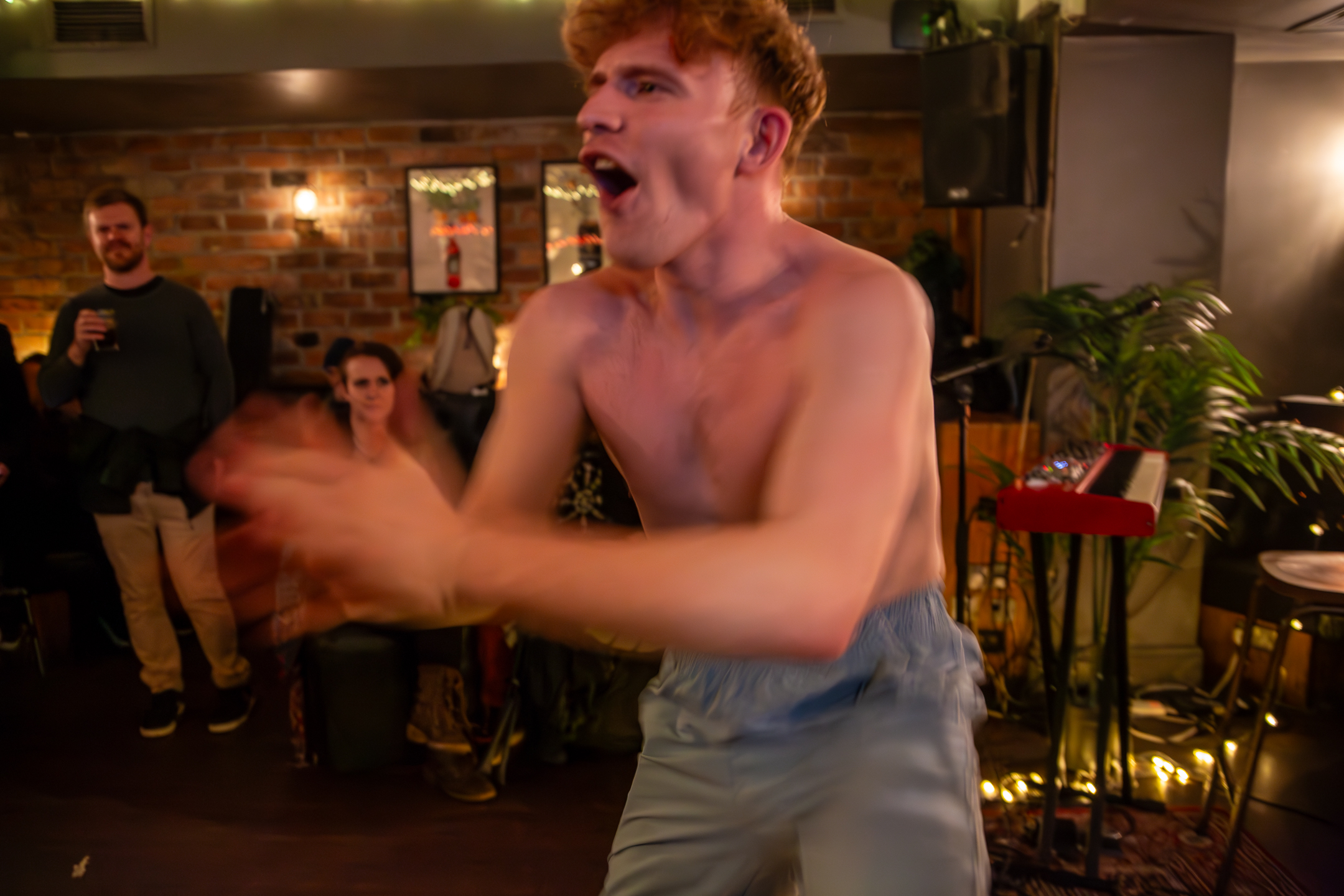
The first few bars of Bohemian Rhapsody were enough to freeze the audience in their seats. His voice soared, dipped, and roared with such raw emotion that even skeptics admitted they felt goosebumps. Social media erupted in real time, as clips from the broadcast began circulating — fans calling it “proof,” “vindication,” and “the moment Mickey became untouchable.”
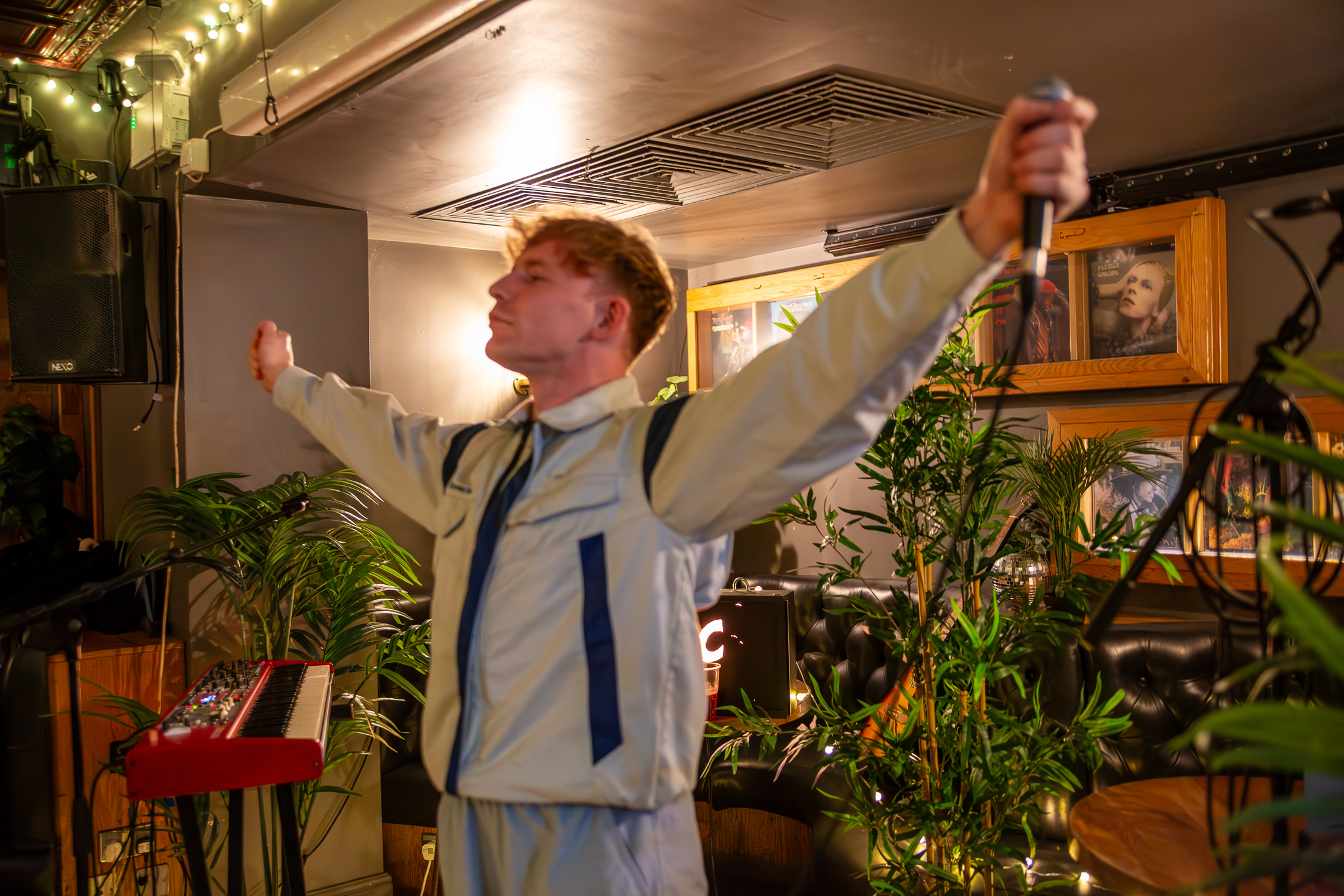
By the time he reached the thunderous operatic section, the studio audience was on its feet, cheering not just for the performance, but for the courage it took to face his critics so openly. And when the final note faded, Callisto didn’t need to say a word. The standing ovation said everything.
What was once rumor is now legend. Mickey Callisto didn’t just defend himself; he reminded the world that true artistry doesn’t need defending. It only needs a stage.