When two of the greatest names in rock music step into the same frame, miracles can happen. On the night that Paul McCartney and David Gilmour joined together for “No Other Baby,” what followed was more than just a collaboration—it was an intimate musical event rooted in history, melody, and longing.
A performance born in the hush of anticipation
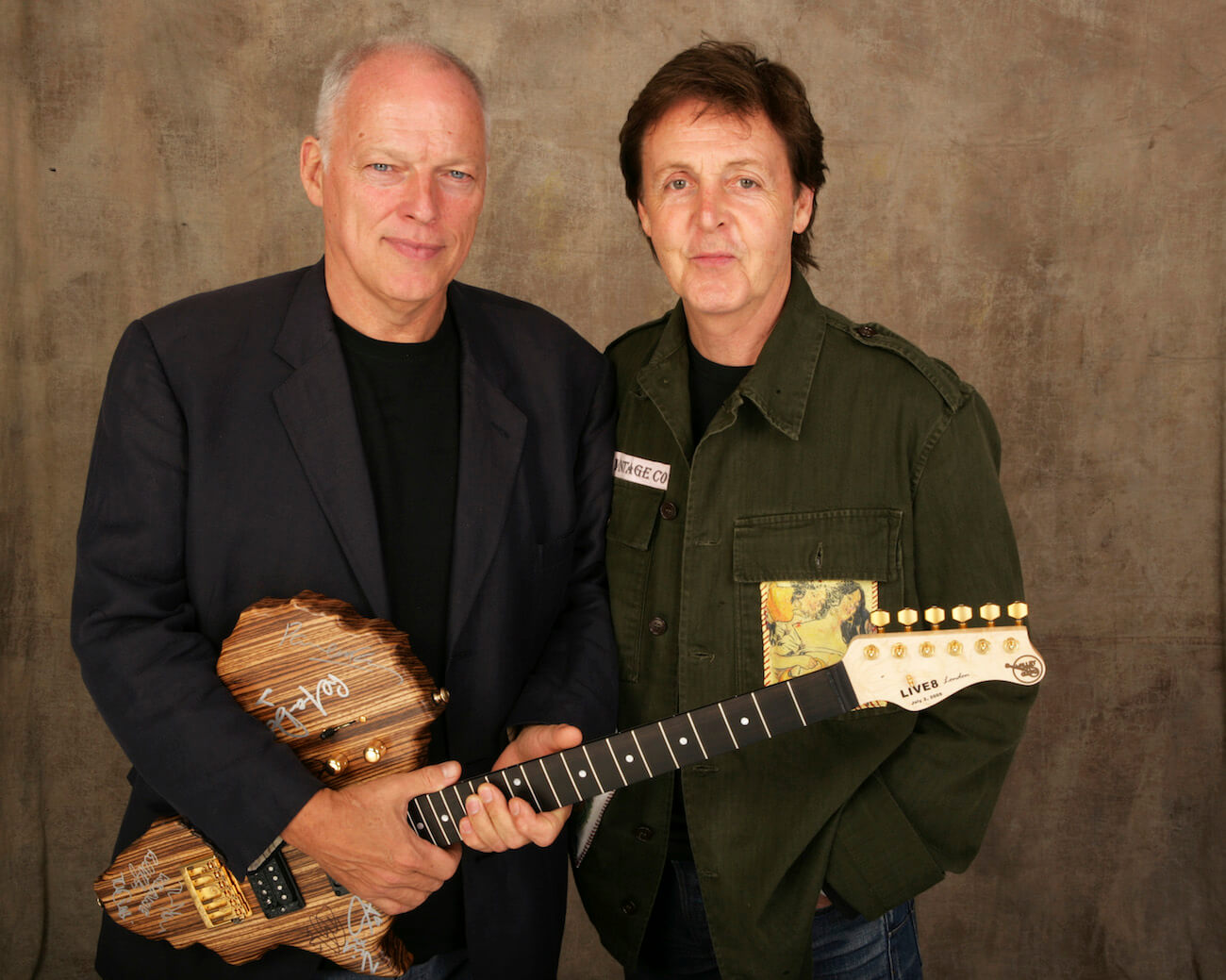
The venue fell into silence even before the first note. Longtime McCartney fans, Gilmour devotees, and newcomers alike leaned in, sensing that this wasn’t simply another concert—it was an encounter between musical architects. Paul, looking relaxed and gracious, cradled his guitar like an old friend. David, with that characteristic calm intensity, tested a string, then nodded to the band. And then, without fanfare, they began.
The opening chords carried a warmth that felt universal—sweet, vulnerable, hopeful. McCartney’s voice floated up like a soft sunrise, and Gilmour’s guitar wove underneath, rich, melodic, and haunting. The sound was both nostalgic and alive—as if decades of music had condensed into ten minutes.
When legends blend without ego
What stood out most wasn’t the star power—it was the humility. Paul never tried to dominate. Gilmour never hid behind grandeur. Instead, they listened to each other. They adjusted. They smiled at each other when a chord resolved perfectly. At one point, McCartney paused mid-verse, glanced at Gilmour, chuckled, and said softly, “That was you.” And in that moment, the audience realized they were watching more than a performance—they were watching a conversation.
Why “No Other Baby” hit deeper than expected
Fans and critics alike say that for all its lightness, the song reached deep. Bob Ludwig, the famed mastering engineer, later described the recording as “one of the most emotionally direct things I’ve listened to in years.” Through the lyrics—“No other baby, I’ll love you till I die”—the duo communicated a resonance: about time, love, regret, hope. And Gilmour’s guitar solo—long, bending, yearning—felt like a seal on the sentiment.
Audience member Emily Carlson described the moment:
“I felt like I was floating. Like the two of them had taken me someplace I didn’t expect to go.”
The viral spark and the mystery behind it
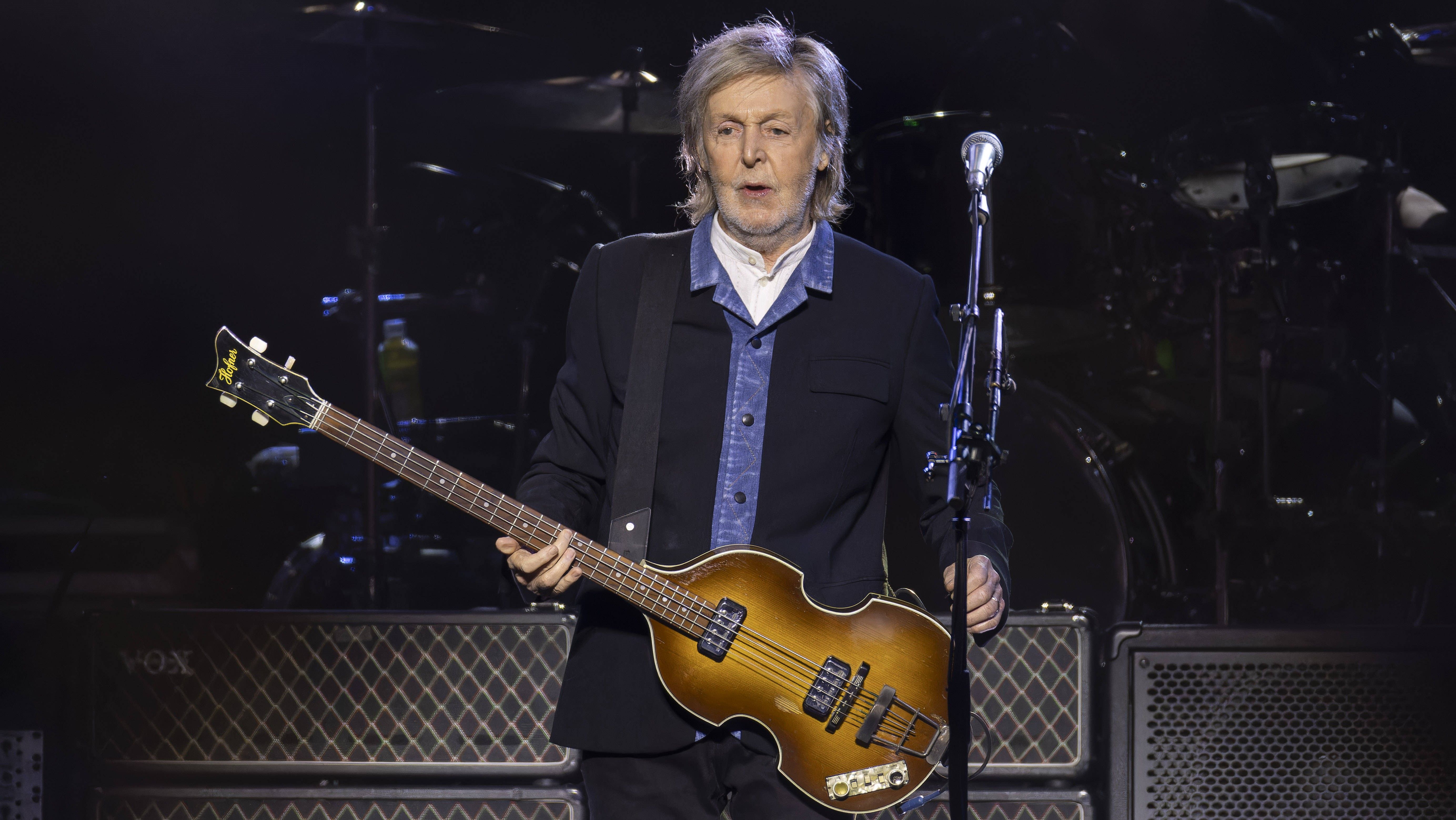
Within hours of the performance, the clip was everywhere:
Playlists, fan feeds, YouTube recommendations.
The hashtag #NoOtherBabyLive started trending with fans dissecting every detail. One snippet caught fire: at the end, Gilmour glanced at McCartney, pointed to his guitar pick, and mouthed, “Again?” McCartney smiled and nodded—and the song restarted.
That second take hasn’t been shown in full, but fans speculate about what changed. Was it a mistake? A redo? A moment they felt needed perfection?
A moment fans know might never repeat
Both McCartney and Gilmour have changed the course of music history: The Beatles, Wings, Floyd, countless solo albums. Collaborations of this scale—between titans who turned silence into sound—are rare. Too rare.
And fans are already calling this performance “once-in-a-lifetime.”
Because even if Paul and David tour again—or record together—they might never share that same purity, that same low-key miracle on stage.
After all, time moves forward, not backward. And legends, like rivers, never quite flow the same way twice.
And the final chord still hangs in the air

When the last note faded, the crowd didn’t leap to its feet.
They sat—quiet, reflective, moved.
They waited.
For the applause.
But the moment lingered.
Paul turned to Gilmour and offered a slight bow.
Gilmour closed his eyes, nodded slowly.
And the audience erupted.
But even as the cheers rose, something had shifted—they knew they had seen something more than concert magic; they had witnessed music memory being made.
And for a few minutes, time gave way to melody, to two icons remembering why they picked up guitars in the first place.