
For decades, Robert Plant has been praised as one of the most magnetic lead vocalists in rock history—his voice the driving force behind Led Zeppelin’s legendary sound. But only recently has he opened up about two deeply personal influences that helped shape his lyric-vision and identity: the rolling landscapes of Wales and the mythic imagination of J. R. R. Tolkien.
Roots in the Landscape

Growing up in Worcestershire, England, Plant always felt the pull of the terrain just beyond the border: “It’s been so remarkable that you can have a culture that’s shunted into the west side of England that has absolutely nothing to do with the English at all.” (Louder) He describes how his parents would drive him through “this landscape, where you began from another culture that’s still around… [to a place] before there were highways and stuff like that. So it becomes quite evocative.” (Nation.Cymru)
That connection to Wales—its myths, its terrain, its distinct sense of place—fed into his songwriting. Songs like Bron‑Y‑Aur Stomp (named after a cottage in Gwynedd, Wales) directly reflect that environment. (Wikipedia)
Tolkien, Myth & Songwriting
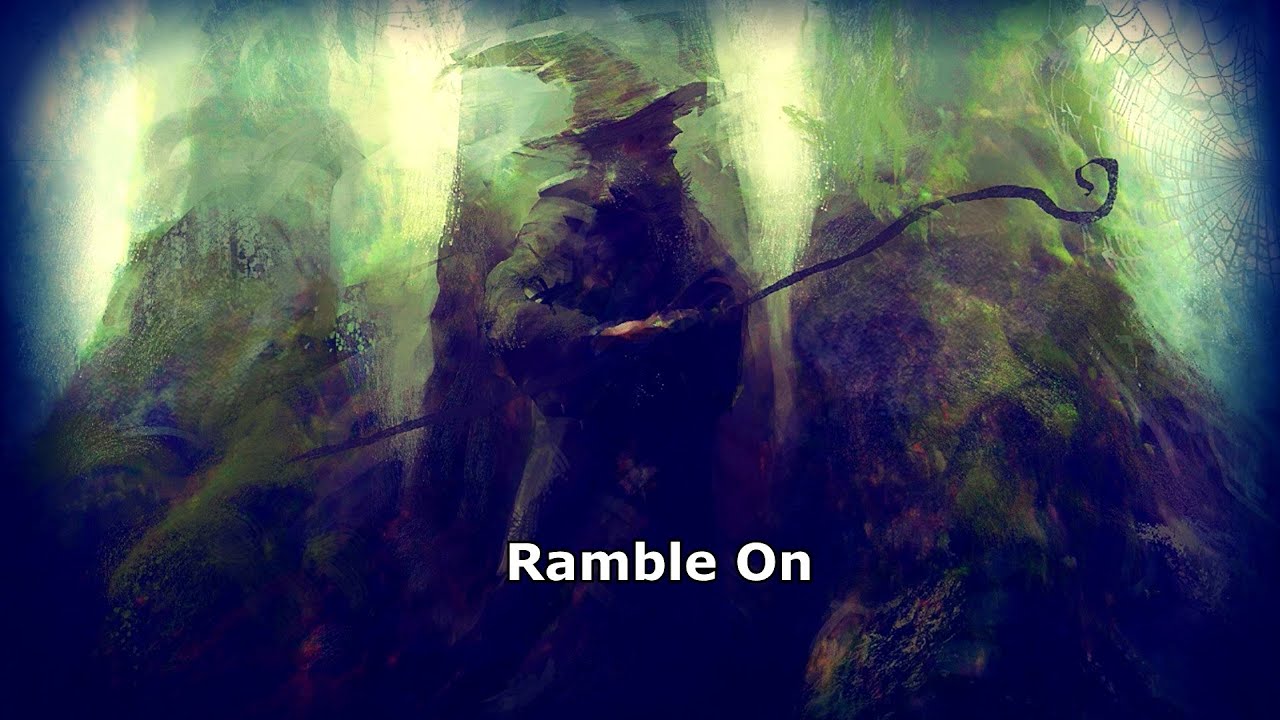
There’s no denying that Plant is a fan of Tolkien’s works—and he openly admits that some of his lyrics for Led Zeppelin were shaped by the author’s fantasy world. In songs such as Ramble On (with lyrics like “Twas in the darkest depths of Mordor…”) and Misty Mountain Hop (“So I’m packing my bags for the Misty Mountains…”), the influence is direct. (Louder)
Plant explains that Tolkien’s connection to Welsh culture resonated with him: “Tolkien… moulded some of the fictional Elvish language … on Welsh language structures.” (Nation.Cymru) He says he could “feel it all” in the terrain just a few miles from where he lived. (Louder)
Fusion of Influences in His Music
What’s so fascinating is how Plant fused the physicality of the Welsh border-country and the ethereal myth-world of Tolkien into the wild rock identity of Led Zeppelin. The crashing riff of Immigrant Song, the searing vocal cry of Stairway to Heaven, the folk-tinged acoustic retreat in “Bron-Y-Aur Stomp”—these were all drenched in the senses of place and legend.
By acknowledging both the land and the legend, Plant gave his music layers beyond the typical blues-rock roots: a sense of history, of otherness, of something wild and ancient.
Why It Still Matters
Even today, long after Led Zeppelin’s peak years, Plant continues to draw on these wells of inspiration. In interviews, he describes how those landscapes and myth-fragments remain part of his creative DNA. It’s a reminder that great art often comes from paying attention to where you come from and what you’ve absorbed—whether that’s the green hills of Wales or the pages of a fantasy novel.
For artists like Plant, it’s not just about riffs or records—it’s about identity, heritage, and imagination. And when you hear a Plant vocal rising up, you can sense that something more than mere rock is at play: you’re hearing the echoes of ancient hills, of tangled legends, and of a musician who turned them into song.
If you want, I can pull together a track-by-track breakdown of Led Zeppelin’s songs that draw on Welsh and Tolkien themes, showing exactly how those influences played out. Would you like that?