Stjepan Hauser’s ability to transform the acoustic cello—an instrument traditionally associated with subtle chamber music—into a high-impact, rock-and-roll powerhouse involves a clever mix of bowing techniques, percussive effects, and modern electronic amplification.
1. High-Impact Bowing and Articulation
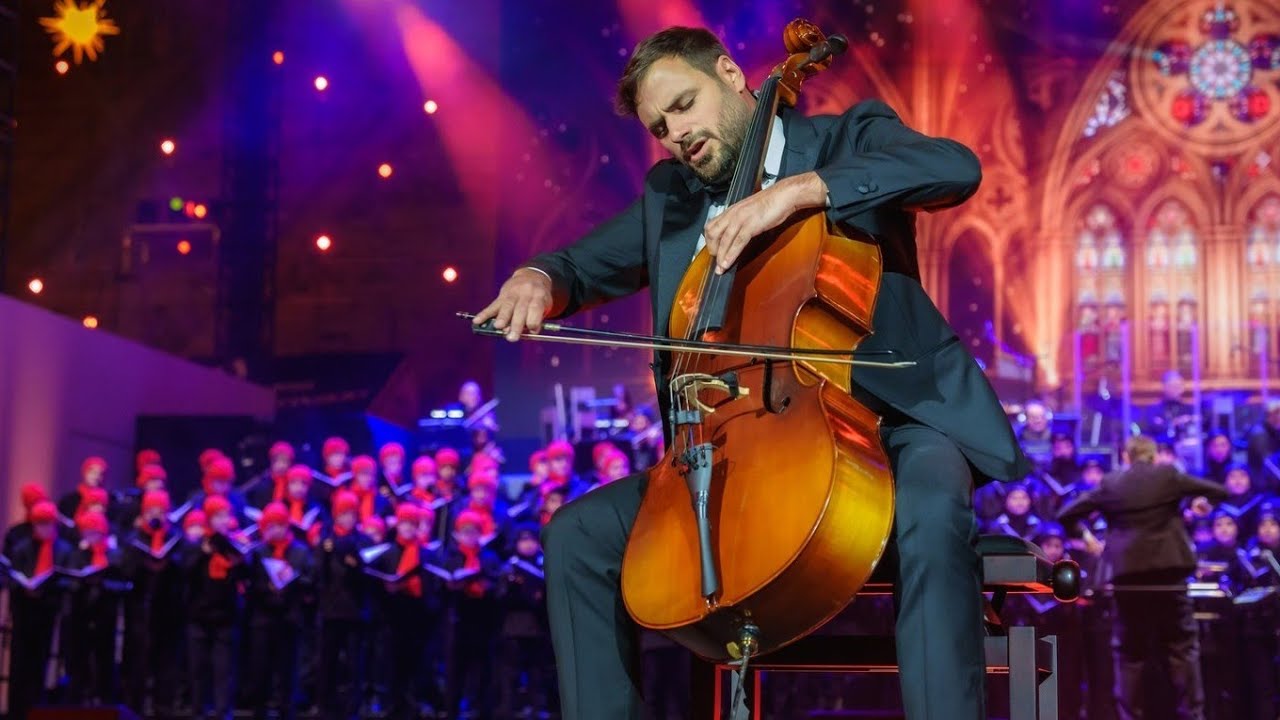
The most immediate change in Hauser’s technique for rock songs is the intensity and speed of the bow stroke and the way he attacks the notes.
Aggressive Attack: Unlike the smooth, sustained legato of classical pieces, Hauser uses a harsh, rapid détaché (a stroke where the bow remains on the string but is separated between notes) to emulate the punchy attack of an electric guitar riff. This requires a lot of arm weight and speed to achieve a cutting, almost distorted sound.
Rapid String Crossing: He employs incredibly fast string crossing to execute complex, multi-string riffs. This allows him to play lines that mimic a rhythm guitar or a bass line, providing a fullness of sound that covers the musical territory usually reserved for an entire band.
Spiccato and Staccato: Hauser uses percussive bowing styles like spiccato (a bouncy, off-the-string stroke) and sharp staccato to create a rhythmic, machine-gun effect, particularly noticeable in pieces like “Smooth Criminal,” where the rapid-fire notes replace the original percussion and vocals

2. The Use of Pizzicato and Percussion
Hauser greatly expands the cello’s percussive capabilities beyond what’s typically heard in an orchestra.
Aggressive Pizzicato: While pizzicato (plucking the string with the finger) is common, Hauser uses a much more forceful version, often combined with a heavy left-hand hammer-on or pull-off technique (borrowed directly from guitar playing). This gives the plucked notes more sustain and a heavier, more bass-like sound, essential for driving the rhythm.
Body Percussion: He frequently strikes the wooden body of the cello with his hands or the frog of the bow to add a backbeat or drum-like rhythm to his solos. This is particularly effective in his live performances, adding a raw, physical energy and an element of improvisation that delights rock audiences.
3. Electronic Amplification and Effects
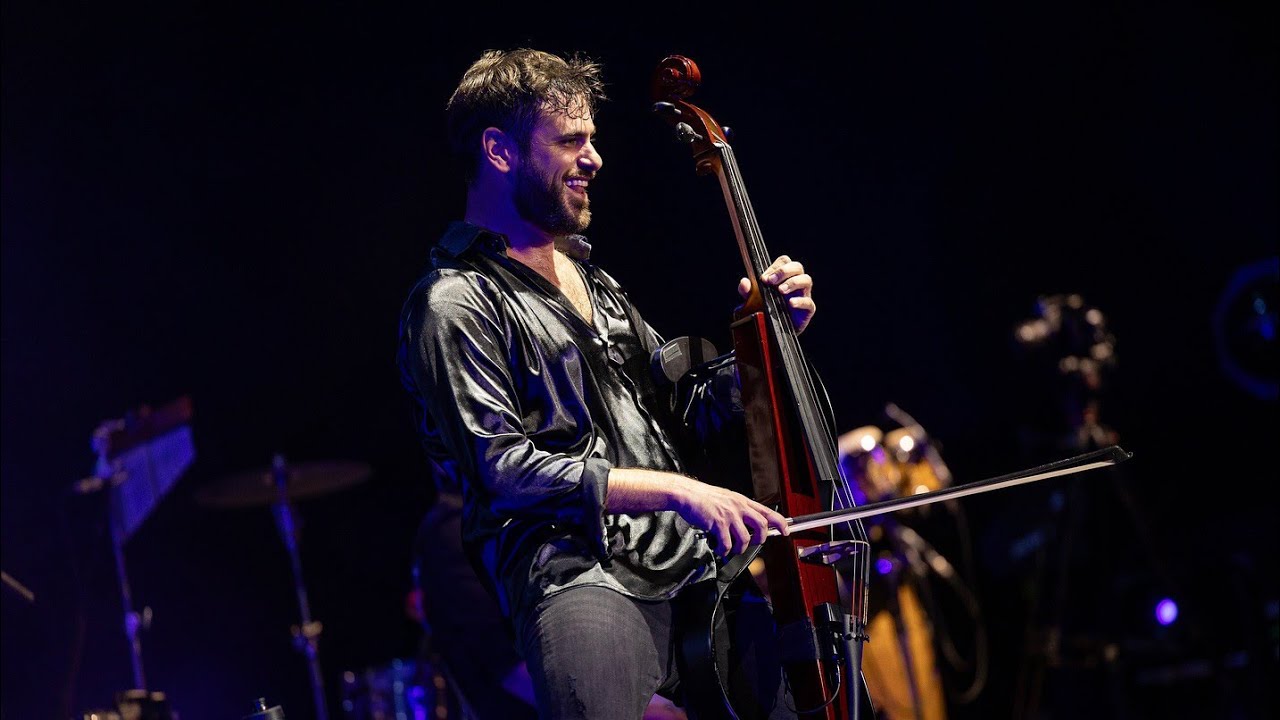
The final, crucial step in “rocking out” is utilizing modern technology to color and amplify the sound.
Microphone Placement: For his energetic performances, he uses high-quality microphones placed extremely close to the instrument (or sometimes specialized internal pickups) to capture every detail of the attack and percussive sounds, ensuring they cut through the mix like a lead instrument.
Effects Pedals: Though primarily acoustic, Hauser sometimes uses effects pedals—devices more common to electric guitarists—to modify his sound. Subtle use of reverb and delay can give the cello a larger, more ambient sound, while more extreme effects like wah or light distortion can be applied sparingly to give a truly “electric” texture to key riffs.
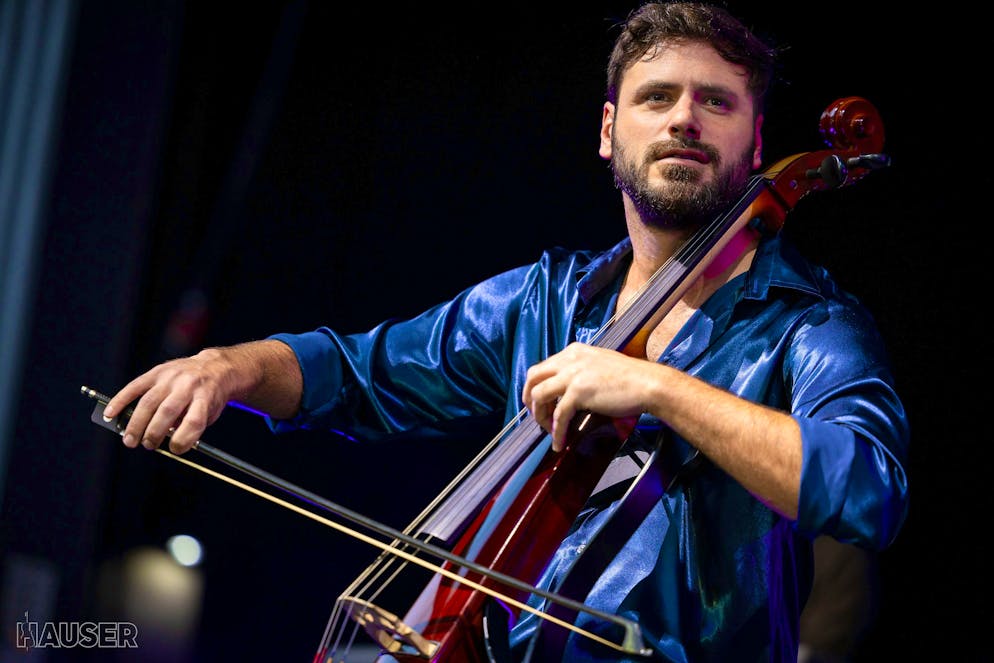
By blending the core techniques of classical string playing with the rhythmic and energetic demands of rock, Stjepan Hauser creates a unique and spectacular fusion, proving that the cello is capable of the same versatility as a guitar or a drum kit.