It was 1955 when a haunting melody first drifted into the world. Written by Unchained Melody’s composers Alex North (music) and Hy Zaret (lyrics), the song began its life as a theme for the film Unchained. (Wikipedia)
In truth, a number of versions were released in 1955—with artists like Les Baxter, Al Hibbler, and Roy Hamilton all charting. (Wikipedia)
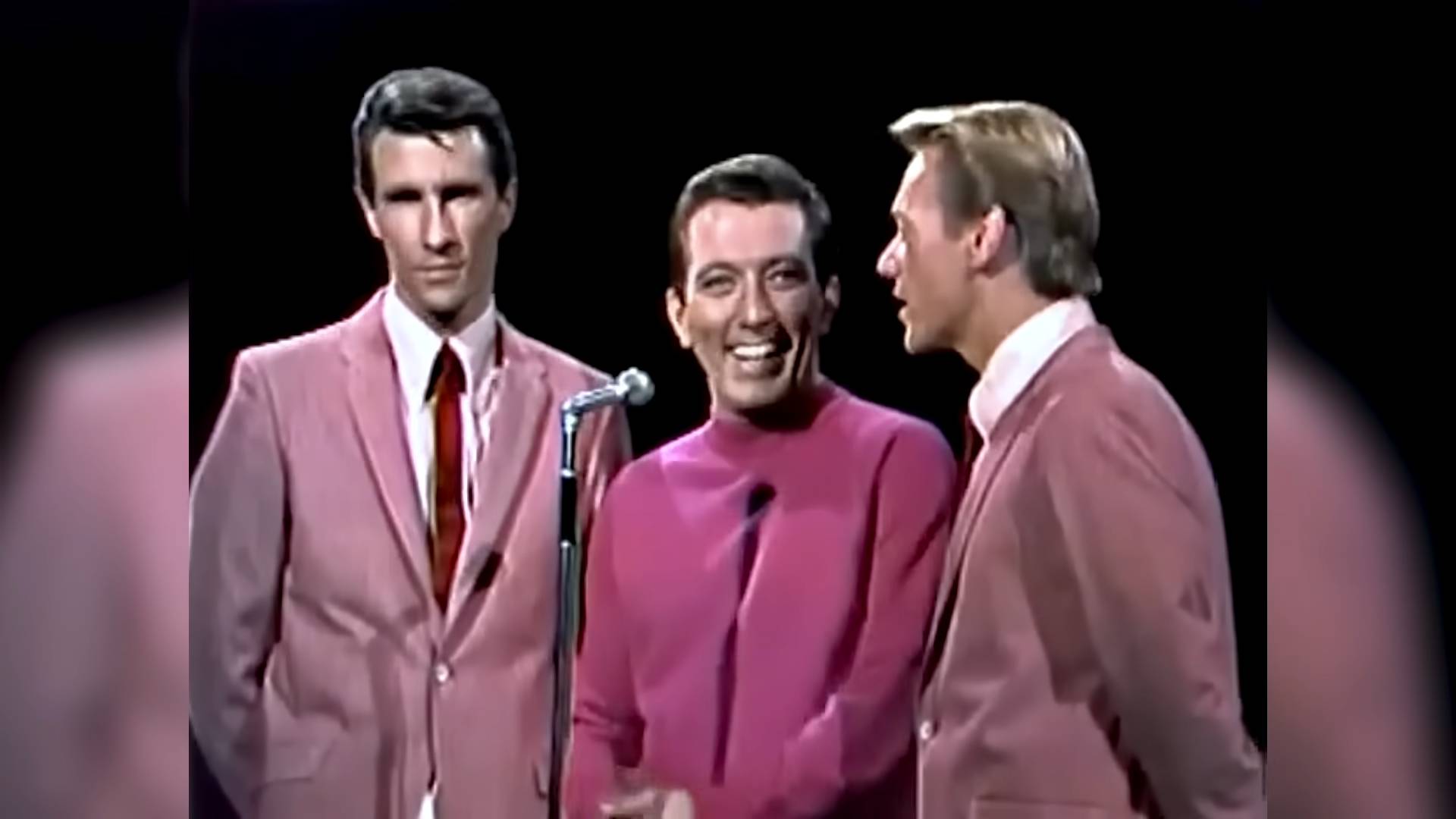
But then, about a decade later, the duo The Righteous Brothers — led by the soaring tenor of Bobby Hatfield — delivered a version in 1965 that arguably turned the song into a legend. (Wikipedia)
Why It Still Resonates Today
What makes this song endure? Why does it remain one of the best songs ever in the eyes of many?
- Emotional power: Hatfield’s performance with The Righteous Brothers is described as a “vocal tour de force” — full of romantic yearning and raw sincerity. (Wikipedia)
- Melody + lyrics: North’s haunting music combined with Zaret’s longing-filled words (“I need your love / I need your love”) captured a timeless feeling of waiting, separation and hope.
- Multiple charts, many lives: The song has been covered over 1,500 times by more than 670 artists, been restored onto charts decades after its original release, and held special places in film and culture. (Wikipedia)
- Classic re-introduction: The Righteous Brothers’ version renewed the song’s popularity and set the benchmark for others who followed.
The Righteous Brothers’ Impact
When their version came out in 1965, it wasn’t just a cover — it became the version many people know by heart. According to Hatfield’s partner Bill Medley, many later covers used their version as the model. (Wikipedia)
Their recording wasn’t planned to be the A-side. It started as the B-side to “Hung on You,” but radio play shifted focus to Unchained Melody. The result: fame, emotion, and an eternal hook. (Wikipedia)
Why You Should Listen
Even if the decades feel far removed, there’s something about this song that still hits. If you watch it (linked in the comment), listen for:
- The opening lines: how simple the piano is before the vocal builds.
- Hatfield’s voice peaking high with longing and grit.
- The way the arrangement lifts but never overshadows the voice.
- The way it makes you feel — not just hear.
So yes — this isn’t just a great song. It’s a masterpiece. Born in 1955, which already makes it special. Then reborn in 1965 with The Righteous Brothers, which made it immortal.