Some songs don’t belong to a moment—they belong to history. And when an artist dares to perform one of them on a stage as massive as the Grammy Awards, the stakes aren’t just high—they’re cultural.
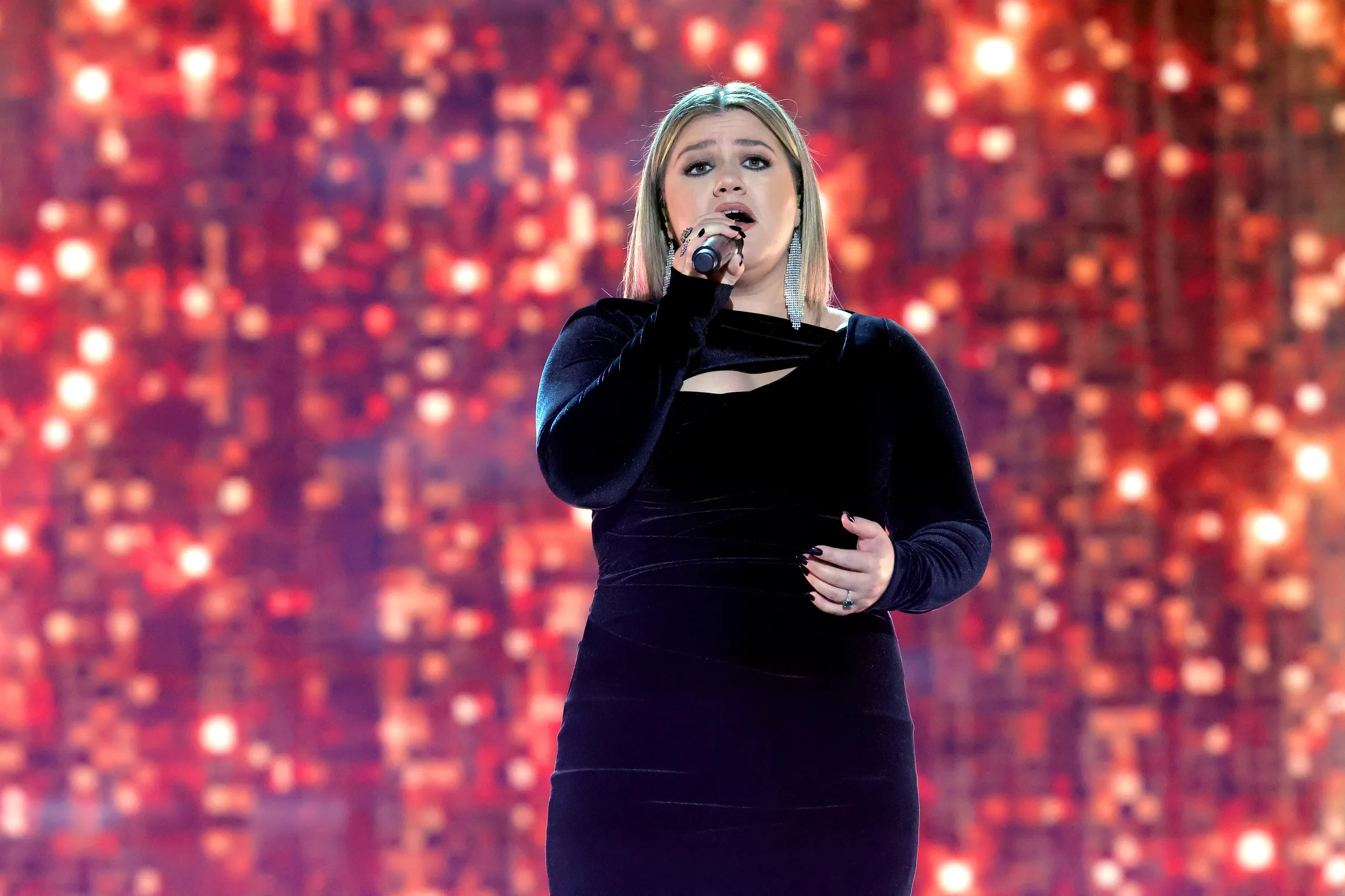
That was the weight carried by Kelly Clarkson when she stepped forward to honor Aretha Franklin. The assignment: take on Respect—a track that isn’t just iconic, but foundational to modern music and identity.
What followed wasn’t imitation. It was ignition.
A Song That Changed More Than Music
Before Clarkson even sang a note, the meaning behind “Respect” filled the room.
When Aretha Franklin released the song in 1967, it became more than a hit. It became a declaration—of independence, dignity, and power. It resonated across movements, generations, and genres.
Covering it isn’t just technically difficult. It’s culturally delicate.
You’re not just singing a melody. You’re stepping into a legacy.
Clarkson’s Approach: Honor Without Imitation
From the opening bars, Clarkson made a critical choice: she didn’t try to replicate Aretha.
Instead, she leaned into her own musical DNA.
Backed by a full band and a blazing horn section, she attacked the song with a rock-infused urgency. Her phrasing was sharper, her tone slightly grittier—less gospel-rooted than Franklin’s, but no less powerful.
It worked because it was honest.
Rather than shrinking under the weight of the original, Clarkson expanded into it.
The Technical Gauntlet Behind “Respect”
“Respect” might sound effortless when done right—but it’s anything but.
The song demands:
-
Rapid-fire phrasing with rhythmic precision
-
Sudden dynamic shifts between restraint and power
-
Sustained belts that require both strength and control
Clarkson navigated all of it with striking command. Her breath support allowed her to punch through phrases without losing clarity, while her transitions between registers remained smooth and intentional.
This wasn’t just a big voice moment. It was disciplined vocal architecture.
The Note That Stopped the Room
Every great live performance has a turning point—that moment when admiration turns into disbelief.
For Clarkson, it came near the climax.
As the band surged behind her, she launched into a soaring high C♯6—an explosive, ringing note that cut through the arrangement like lightning. It wasn’t just high—it was held, controlled, and emotionally charged.
Even among seasoned performers, that kind of delivery is rare.
Inside the arena, the reaction was immediate. Thousands rose to their feet—not gradually, but all at once, as if pulled up by the sound itself.
In the hours that followed, clips spread rapidly across social media, drawing millions of views.
But virality here wasn’t driven by nostalgia alone.
It was fueled by contrast:
-
A modern pop-rock vocalist taking on a soul classic
-
A familiar song delivered with unexpected intensity
-
A tribute that felt alive rather than ceremonial
Audiences weren’t just revisiting “Respect.” They were experiencing it again—through a different voice, but with the same fire.
The Balance of Emotion and Control
What made the performance resonate wasn’t just vocal power—it was emotional calibration.
Clarkson didn’t oversing the message. She built it.
Each verse carried increasing urgency, each chorus hit harder, and by the final stretch, the performance felt less like a tribute and more like a release.
That balance—between precision and passion—is what separates great singers from great interpreters.
Clarkson proved she’s firmly in the latter category.
Carrying Forward a Cultural Legacy
Tributes often look backward. This one did something more interesting—it bridged eras.
By bringing her own style to Respect, Clarkson demonstrated that the song’s core message hasn’t aged. It still resonates. It still demands attention.
And most importantly, it still belongs on the biggest stages.
What This Moment Says About Clarkson
Performances like this reinforce a key truth about Kelly Clarkson:
She doesn’t just sing songs. She interprets them.
Whether she’s covering contemporary hits or honoring legends, her instinct is the same—find the emotional center and build outward from it.
That’s why her tributes don’t feel like replicas. They feel like conversations across generations.
The Takeaway: When a Legend Is Honored the Right Way
Taking on Aretha Franklin is one of the most daunting challenges in music.
Trying to match her is impossible.
Trying to honor her is essential.
Clarkson understood the difference.
By the end of the performance, one thing was undeniable:
She hadn’t replaced the original.
She hadn’t tried to outdo it.
She had reignited it.
And for a few minutes on the Grammy Awards stage, a song that changed history felt just as urgent—and just as powerful—as the day it was first heard.