Live comedy has one unspoken rule: the moment you try too hard to control it, it stops being funny. That’s why some of the most memorable segments in late-night history aren’t the polished ones—they’re the ones that unravel in real time.
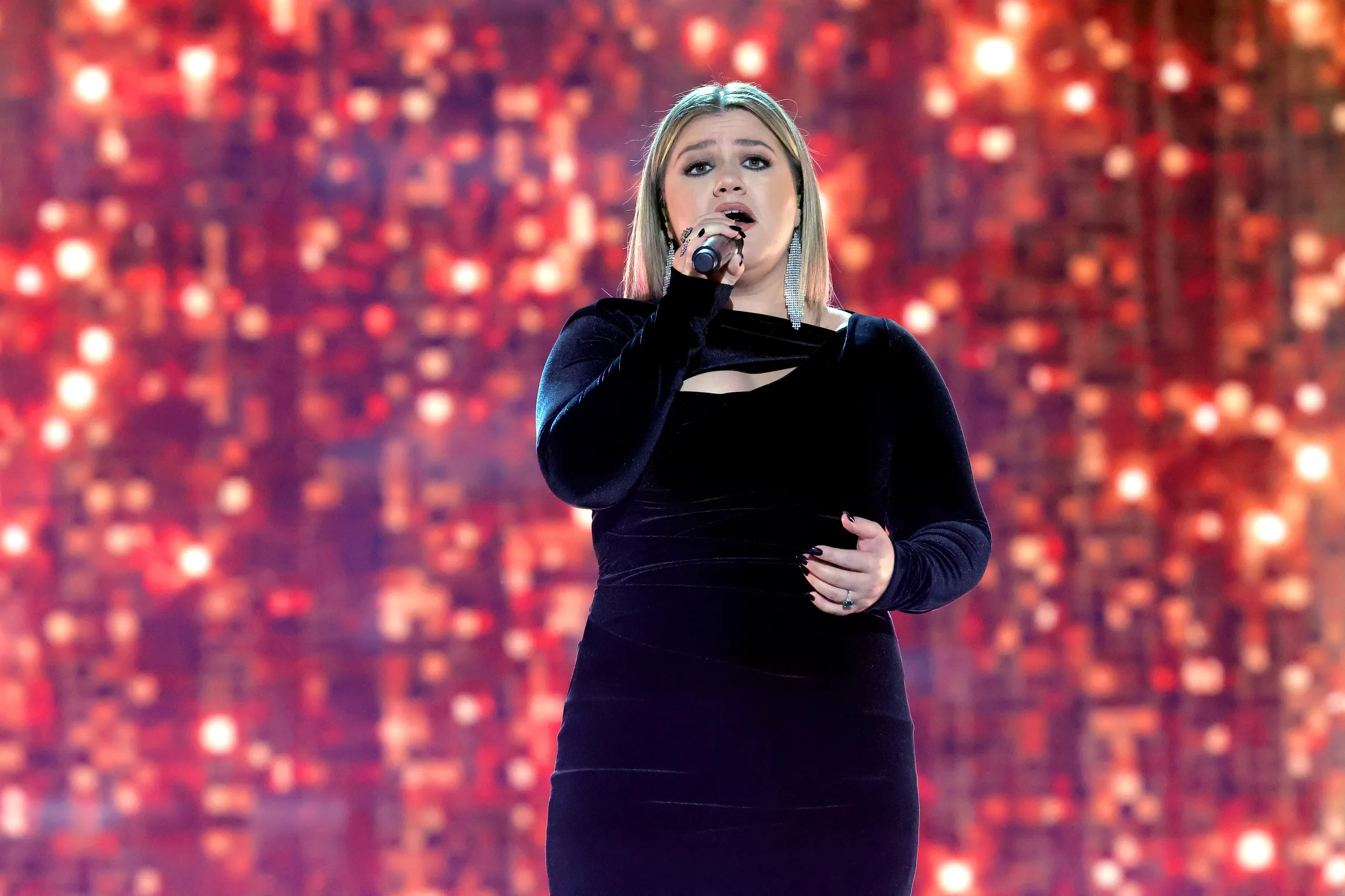
That’s exactly what happened when Kelly Clarkson joined Jimmy Fallon on The Tonight Show Starring Jimmy Fallon for a seemingly simple musical sketch.
What followed wasn’t just a duet.
It was five minutes of joyful collapse.
The Setup: A Medley Meant to Celebrate Music History
The segment, titled “The History of Duets,” had a clear structure. Clarkson and Fallon would move through a rapid-fire series of iconic musical pairings, mimicking styles, voices, and eras with a mix of sincerity and parody.
It was the kind of bit Fallon is known for—tight, clever, and just loose enough to feel spontaneous.
And at first, it worked exactly as planned.
They bounced through references like Sonny & Cher with exaggerated charm, trading lines and leaning into the theatricality of classic duets. Clarkson’s vocals were, as expected, spot-on. Fallon played the enthusiastic counterpart, adding humor through expression and timing.
Everything was controlled.
Until it wasn’t.
The Breaking Point: One Song, One Look, Total Collapse
The turning point came with Endless Love—a song so earnest and emotionally direct that it practically invites parody when pushed too far.
Fallon pushed.
Leaning into the romance with over-the-top intensity, he locked eyes with Clarkson and dialed the performance up to absurd levels—lingering stares, dramatic gestures, full commitment to the bit.
It was too much.
Clarkson cracked.
What started as a suppressed smile turned into uncontrollable laughter. She bent forward, microphone still in hand, trying—and failing—to regain composure. The audience followed instantly, erupting as the performance slipped completely off-script.
For a moment, the song itself became secondary.
The real performance was happening in the chaos.
Fallon’s Choice: Don’t Fix It—Fuel It
At that point, there were two options: reset or lean in.
Fallon chose the latter.
Instead of pulling things back on track, he doubled down—continuing to sing with exaggerated sincerity, as if nothing had gone wrong. The contrast between his commitment and Clarkson’s inability to stop laughing only made the moment funnier.
It’s a classic improv instinct: when something unexpected works, amplify it.
And it worked.
Clarkson’s Recovery—With a Twist
What makes this moment more than just a blooper is what happened next.
Clarkson didn’t just recover—she pivoted.
Jumping back into the performance, she abandoned the romantic tone entirely and broke into an unexpected, almost absurd physical bit (including a sudden robotic-style movement), turning the sketch into something even more unpredictable.
And somehow, through all of it, she kept singing.
That’s the detail that elevates the entire segment: even while laughing, wiping away tears, and improvising, her vocals didn’t collapse. They held steady, proving that technical skill and spontaneity aren’t mutually exclusive.
Clips of the performance quickly spread, not because it was flawless—but because it wasn’t.
Here’s what made it stick:
1. Genuine Laughter
Nothing was forced. Clarkson’s reaction wasn’t part of the script, and audiences can instantly recognize that kind of authenticity.
2. Chemistry That Can’t Be Scripted
The ease between Clarkson and Fallon turned a mistake into momentum. Their willingness to play off each other made the chaos feel collaborative, not awkward.
3. The Balance of Talent and Play
It’s one thing to lose control. It’s another to lose control and still deliver. Clarkson managed both.
Moments like this feel accidental, but they reveal something important about performers at the highest level.
Being funny in chaos isn’t just luck—it’s awareness.
Clarkson knew when to try to recover and when to let the moment breathe. Fallon knew not to interrupt what was clearly working. Together, they turned a broken segment into something better than the original plan.
That kind of instinct can’t be rehearsed.
Why Audiences Love When Performances Break
There’s a reason clips like this outperform polished segments online.
When something goes wrong on live television:
-
The barrier between performer and audience disappears
-
The stakes feel real
-
The reaction becomes shared rather than observed
In a media environment full of edited perfection, imperfection feels rare—and valuable.
A Duet That Worked Because It Didn’t
“The History of Duets” was designed as a tribute to musical partnerships.
Ironically, its most memorable moment had nothing to do with the songs themselves.
It was about timing. Trust. And the willingness to abandon control when something better emerges.
In the end, Kelly Clarkson and Jimmy Fallon didn’t just perform a medley on The Tonight Show Starring Jimmy Fallon.
They demonstrated something far more entertaining:
Sometimes, the best performance is the one that falls apart—and keeps going anyway.