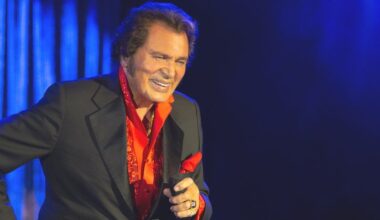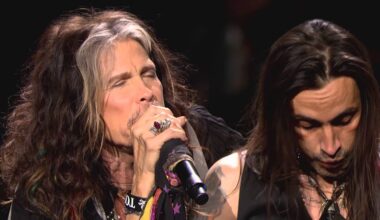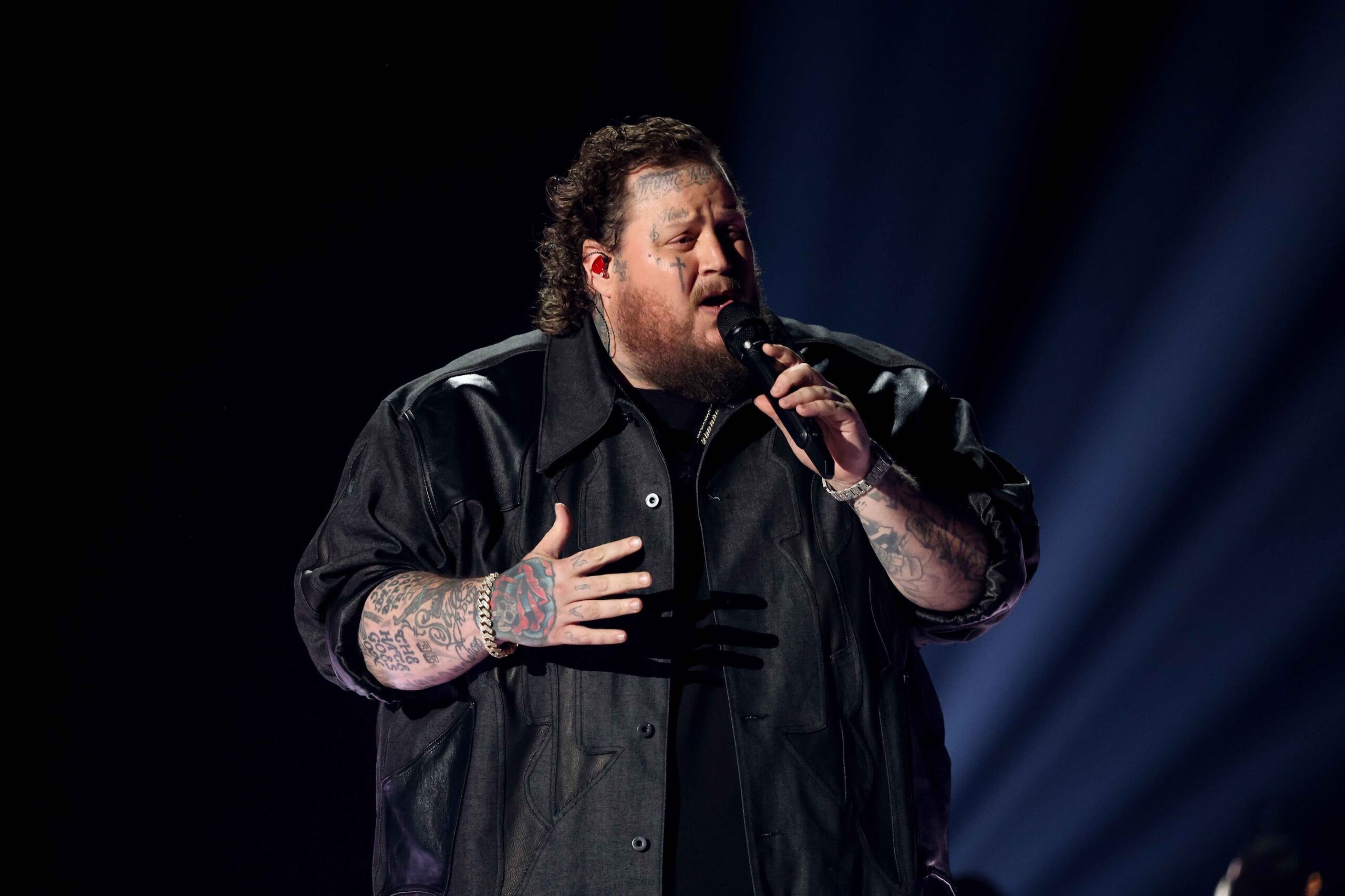
Following the passing of rock legend Ozzy Osbourne on July 22, 2025, tributes from artists across genres have flooded in. Among the most poignant was a stripped-down, emotionally charged performance by Jelly Roll, who delivered his own version of Osbourne’s 1991 ballad “Mama, I’m Coming Home” in a moment of remembrance and gratitude. Known for blending country, rock, and rap with unfiltered honesty, Jelly Roll offered a tribute that felt deeply personal—one rooted in shared themes of struggle, redemption, and love.
The Original: A Tender Side of Ozzy
“Mama, I’m Coming Home” was released in 1991 as part of Ozzy Osbourne’s No More Tears album. Co-written by Osbourne, guitarist Zakk Wylde, and Lemmy Kilmister of Motörhead, the song was a heartfelt message to Osbourne’s wife, Sharon. It showcased a softer side of the man often dubbed the “Prince of Darkness,” trading heavy riffs and dark imagery for acoustic guitar, soaring melody, and vulnerable lyrics.

Lines like “You took me in and you drove me out / Yeah, you had me hypnotized” and “I could be right, I could be wrong / Hurts so bad, it’s been so long” reflected both gratitude and emotional complexity—two sentiments that have long resonated with Jelly Roll’s audience as well.
Jelly Roll’s Connection
Jelly Roll’s music frequently revolves around hardship, addiction, family, and redemption. It’s no surprise that “Mama, I’m Coming Home” would speak to him on a deeper level—not just as a fan of Osbourne, but as someone who has faced his own demons and returned from the edge.

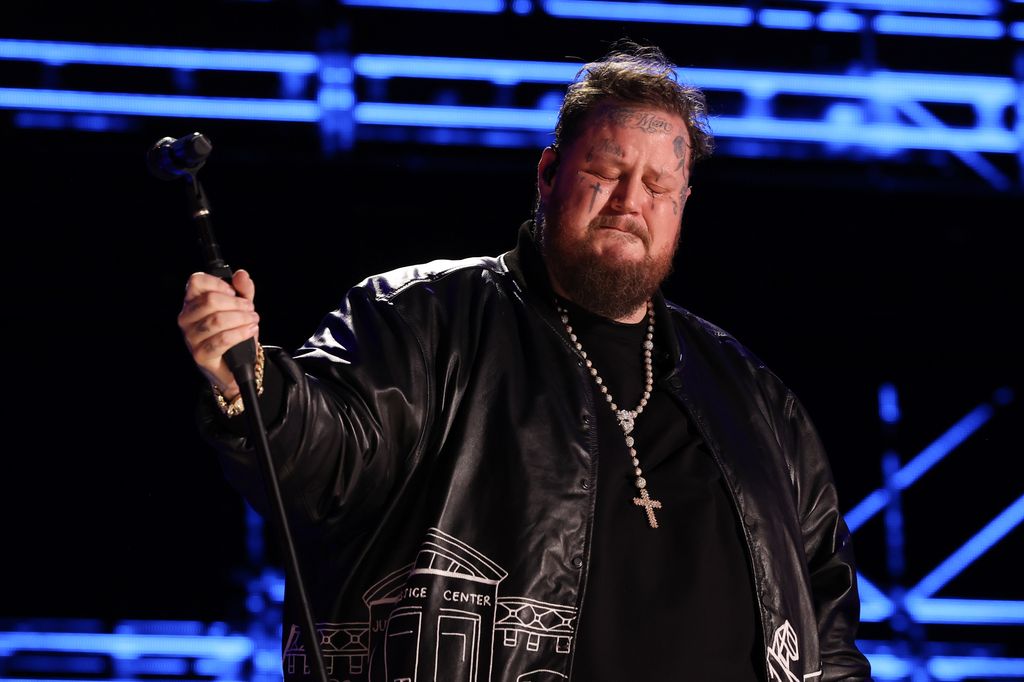
In his tribute, which he performed acoustically in a quiet studio setting shortly after Osbourne’s death was announced, Jelly Roll kept the arrangement simple. Accompanied only by a guitar and light backing harmonies, he let the words—and his voice—carry the weight of the moment.
His gravelly tone, raw with emotion, brought new shades of meaning to the lyrics. There was a weariness there, a kind of lived-in ache, especially in the repeated chorus lines: “Mama, mama, I’m coming home.” For Jelly Roll, it didn’t just sound like a message to a loved one—it sounded like a prayer, a memory, and a promise.
A Tribute Without Pretense
What stood out in Jelly Roll’s version wasn’t showmanship or vocal acrobatics. It was sincerity. He didn’t try to imitate Ozzy Osbourne’s voice or dramatize the performance. Instead, he offered something closer to a conversation—between himself, the song, and the artist who inspired it.
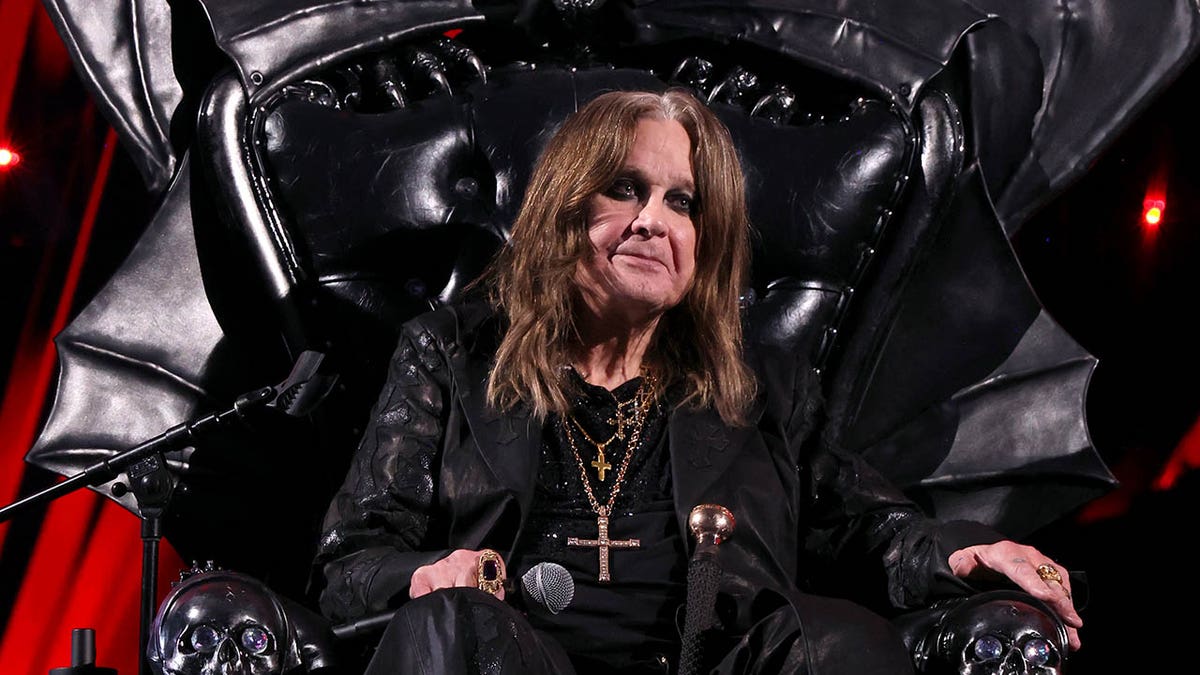
There was no big speech, no grand stage. Just a man, a song, and the shared recognition that music, at its most honest, can bridge lives.
As the music world continues to reflect on Ozzy Osbourne’s legacy—his boundary-pushing career, his iconic voice, and his impact across generations—performances like Jelly Roll’s remind us that some of the most powerful tributes are also the quietest. By choosing a song that meant something to Osbourne personally and delivering it with gratitude and humility, Jelly Roll paid his respects in the most fitting way possible: through authenticity.