With the finale of American Idol Season 24 just days away, the competition should be reaching its most unpredictable stage yet—but instead, a growing wave of speculation is taking over the conversation.

After the semi-final eliminations of Chris Tungseth and Braden Rumfelt, only three finalists remain: Jordan McCullough, Keyla Richardson, and Hannah Harper. But instead of a tightly contested showdown, fans are noticing what some are calling a “straight-line pattern” emerging in the race—one that has triggered intense debate about whether the outcome is still truly open.
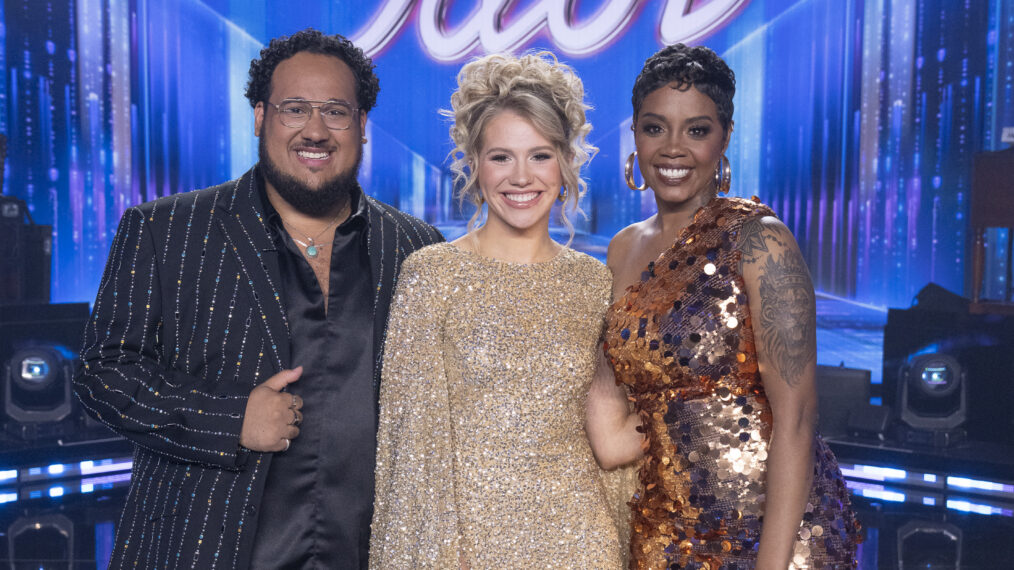
Across social media, viewership metrics, and fan engagement trends, one finalist appears to be consistently pulling ahead. The gap isn’t just noticeable—it’s widening with each performance cycle, fueling theories that the momentum may already be pointing toward a likely winner.
The idea gaining traction online is simple but controversial: is the finale still a live competition… or just the confirmation of a result viewers are already seeing unfold in real time?
Officially, the winner of American Idol will be decided entirely by fan votes during the live finale airing May 11 on ABC and Disney+. Each finalist will perform one final time before America crowns its champion.
But behind the scenes of the fan discussion, analysts and viewers are pointing to digital indicators that often correlate with success: YouTube performance views, Instagram follower counts, and online engagement. Historically, stronger visibility across these platforms has frequently aligned with stronger voting outcomes—though not always.
This season, those numbers tell a compelling story.
At the center of the debate is Hannah Harper, whose viral audition and massive social media reach have positioned her as the perceived frontrunner. With a commanding online presence and consistently high performance views, she has become the contestant many believe is leading the pack heading into the finale.
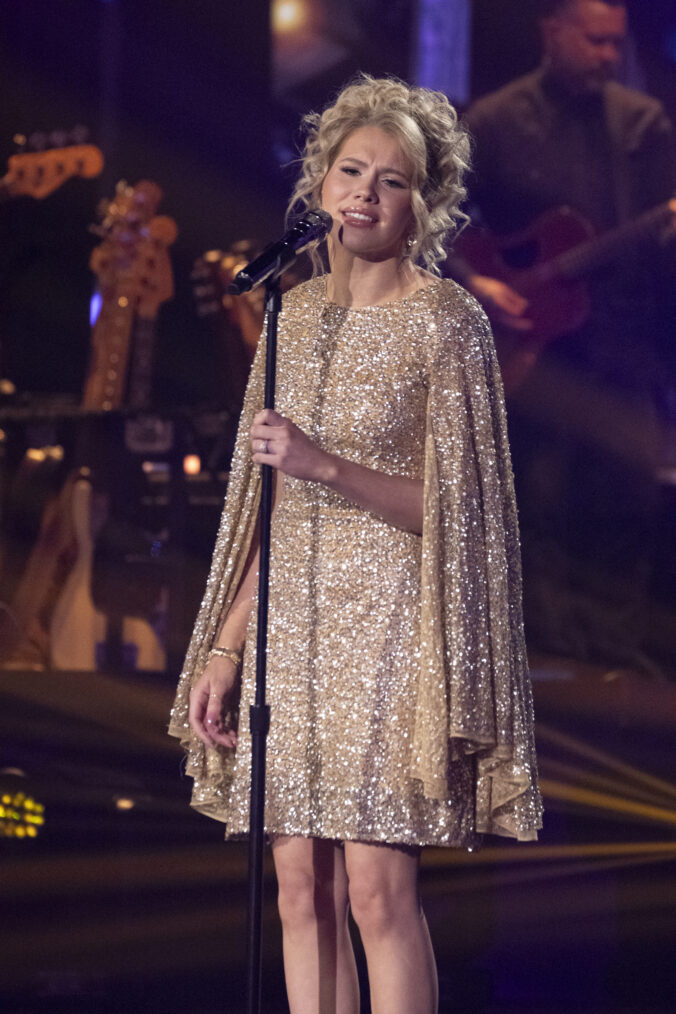
Meanwhile, Keyla Richardson sits in a strong middle position, backed by solid engagement and growing fan support, while Jordan McCullough remains the underdog in terms of digital traction despite earlier standout moments, including a platinum ticket win during the season’s early rounds.

Still, nothing is officially decided—and that uncertainty is exactly what keeps the finale unpredictable.
While trends may suggest momentum, live voting has repeatedly proven that anything can change in a single performance. Past seasons of American Idol have shown that audience sentiment can shift dramatically in real time, especially when finalists deliver career-defining moments on stage.

For now, the conversation continues to split between data-driven predictions and pure fan belief. Some argue the numbers are simply reflecting public preference. Others insist the competition is still wide open and far from settled.
Either way, one thing is certain: as the finale approaches, the pressure is no longer just about performing—it’s about proving whether momentum is destiny… or just coincidence.