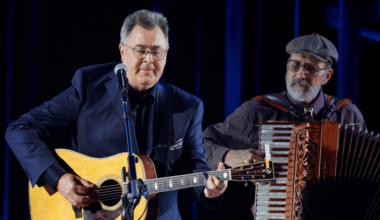
A song can spend years waiting for the right voice to bring it to life. For Riley Green, that opportunity came with “Ol’ Stray Dog,” a country track that had been written years before it finally found its way into his recording catalog. Now, the song is getting another opportunity to connect with listeners after 19-year-old The Voice contestant Joe Henley picked it for an acoustic performance dedicated to his coach.
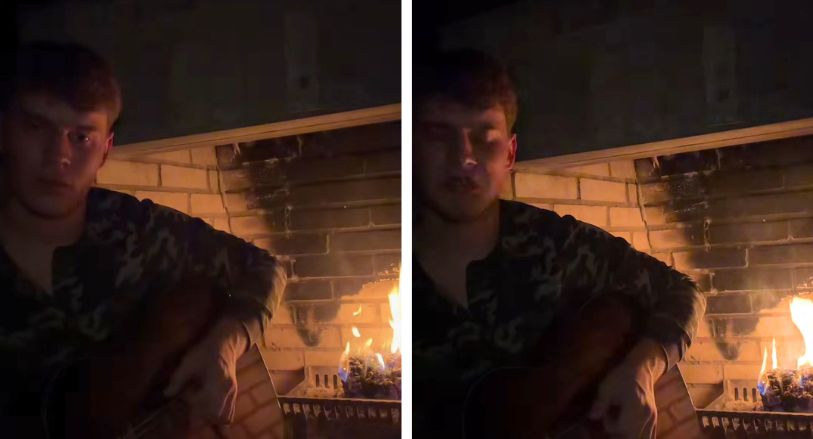
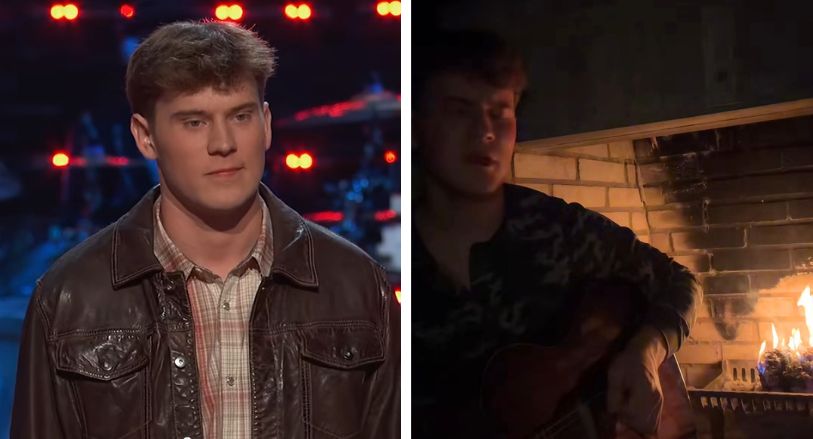
Henley’s recent video, filmed beside a fireplace with a guitar in his hands, was a simple performance rather than an elaborate television production. But his decision to cover one of Green’s songs was meaningful, particularly as the young Alabama singer continues building his identity on Season 30 of NBC’s singing competition.
What makes the song especially interesting, however, is the story behind its creation. “Ol’ Stray Dog” was not originally written specifically for Green. It came from the songwriting partnership of Erik Dylan and Jon Randall, two Nashville writers who created the track back in January 2019.
That means the song spent years existing outside the spotlight before an opportunity emerged to give it a new life.
The track eventually became part of Apple Music’s Lost & Found series, an initiative designed to bring attention to previously unreleased songs from Nashville songwriters by matching them with artists who can give the material a fresh interpretation. Green released his version in November 2025, with producer Dann Huff helping bring the recording together.
For Green, the opportunity was a natural fit.
The country singer has developed a recognizable musical identity built around traditional country influences, storytelling, and a distinctive vocal delivery. When he heard “Ol’ Stray Dog,” he immediately recognized something that suited his musical instincts.
Green explained that he had long admired Erik Dylan and appreciated the songwriter’s understanding of his style. He also described the track as exactly the kind of material that felt right for him.
That connection matters because country music has always depended heavily on the relationship between the songwriter and the performer. A great song can be written by one person and become something entirely different when another artist discovers the right way to interpret it.
In this case, both writers were pleased with the result.
Dylan believed Green was the ideal singer for the material, saying that his delivery made it sound as though he had written the song himself and personally experienced the story. Randall was equally enthusiastic, expressing gratitude that Green had connected with the track and suggesting that it had finally found the right home.
The song’s central character also makes it particularly suited to Green’s style.
“Ol’ Stray Dog” follows the perspective of a wandering musician whose life has been shaped by time on the road and the search for somewhere to belong. Its reflective storytelling explores the tension between constantly moving forward and wanting to return home.
It is the kind of subject matter that fits naturally into country music’s long tradition of songs about loneliness, freedom, travel, and the complicated meaning of home.
Green’s version brings those themes into a recording that feels connected to the storytelling approach that has helped define his career. Rather than relying on an elaborate concept, the song allows the narrative and vocal delivery to carry the emotional weight.
And that may be one reason Joe Henley found it worth revisiting.
The young singer has already demonstrated an interest in the traditional country sound through his performances on The Voice. His Blind Audition of Travis Tritt’s “Anymore” earned attention from the coaches, while his later interpretation of Keith Whitley’s “Don’t Close Your Eyes” earned a standing ovation from all four during Cut Week.
Those song choices reveal something about the musical direction he appears to be exploring. Rather than relying exclusively on contemporary country hits, Henley has been connecting with songs that emphasize vocal character, emotional storytelling, and the influence of earlier generations of country performers.
Covering “Ol’ Stray Dog” gives him another opportunity to explore that approach.
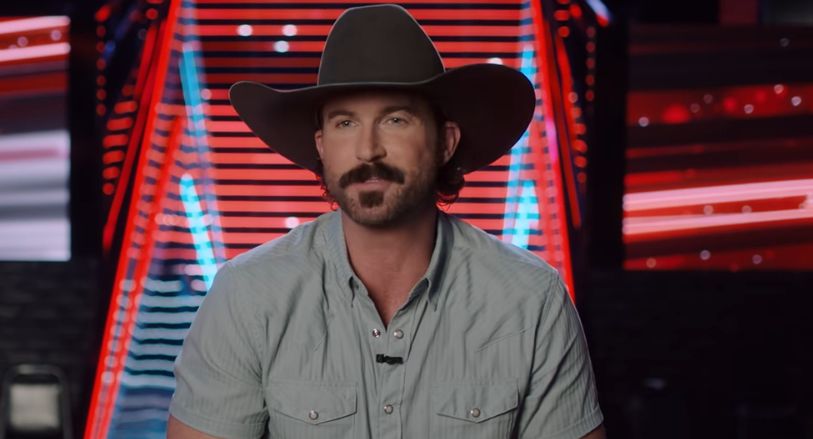
There is also something interesting about a contestant choosing to perform a song associated with his own coach. Green is not simply a recognizable television personality to Henley. He is an artist whose musical identity helped inspire the young singer to join his team in the first place.
Henley selected Green after performing “Anymore” during his Blind Audition, despite also receiving interest from Kelly Clarkson. Their shared Alabama background helped establish an easy connection, and Green has since become an important part of Henley’s development during the competition.
The relationship has already produced several memorable moments, including Green joining Henley onstage for a performance of “My Way.” Their Battle against Kenna Elpers also gave Henley an opportunity to perform one of Green’s own recordings, “Don’t Mind If I Do,” the duet originally released with Ella Langley. Green ultimately selected Henley to advance.
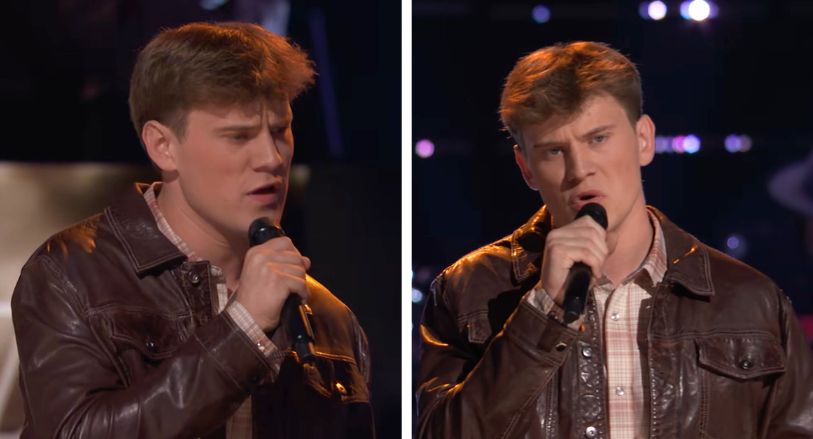
His latest acoustic cover continues that musical connection, but it also highlights an important distinction between performing on television and developing an individual artistic identity.
On The Voice, contestants are often judged through carefully selected performances designed to demonstrate their abilities within a limited amount of time. Away from the television stage, however, artists have more freedom to explore the songs and sounds that genuinely interest them.
Henley’s fireplace performance offers a glimpse of that quieter musical side. With his guitar providing the accompaniment, the focus shifts away from competition and toward the connection between the singer and the material.
It also gives viewers a chance to consider what kind of country artist he might become if he continues pursuing music beyond the show.
Of course, covering a coach’s song does not automatically guarantee a contestant a place in the Live Shows. Season 30 has introduced a particularly demanding Cut Week format, with coaches required to make difficult decisions about which members of their teams will advance. Each coach must send two contestants directly through before the remaining artists compete for another opportunity. America then gets a chance to vote for an additional contestant, completing the Top 13.

For Henley, that makes every opportunity to connect with viewers important.
His standing ovation for “Don’t Close Your Eyes” has already given him a significant moment in the competition. His new cover of “Ol’ Stray Dog” adds another layer to his growing relationship with Green and offers a reminder that his interest in country music extends beyond the songs assigned to him on television.
There is also a bigger lesson in the history of the track itself. “Ol’ Stray Dog” demonstrates how songs can find unexpected opportunities long after their original creation. A composition written in 2019 eventually reached a much wider audience through Green’s recording, and now another singer is introducing it to listeners through his own interpretation.
That is part of what makes country songwriting so fascinating. Sometimes, the right song simply needs the right voice at the right moment.
In my view, Henley’s decision to cover “Ol’ Stray Dog” is more interesting than a routine tribute to a famous coach. It shows that he is paying attention to the kind of storytelling and musical influences that could help shape his own career. Whether he ultimately wins The Voice or not, developing that musical identity could be just as valuable as any competition result.
Do you think Joe Henley has the voice and musical instincts to carry traditional country music into the next generation, or is there another young contestant on The Voice who deserves that distinction?