The Voice is heading into one of the most unforgiving stages in its history, and this time, even talented singers may not get the opportunity to prove themselves twice. Season 30 is introducing a dramatically different route to the Live Shows, replacing familiar competition rounds with a single elimination event that will force coaches to make some of their toughest decisions yet.
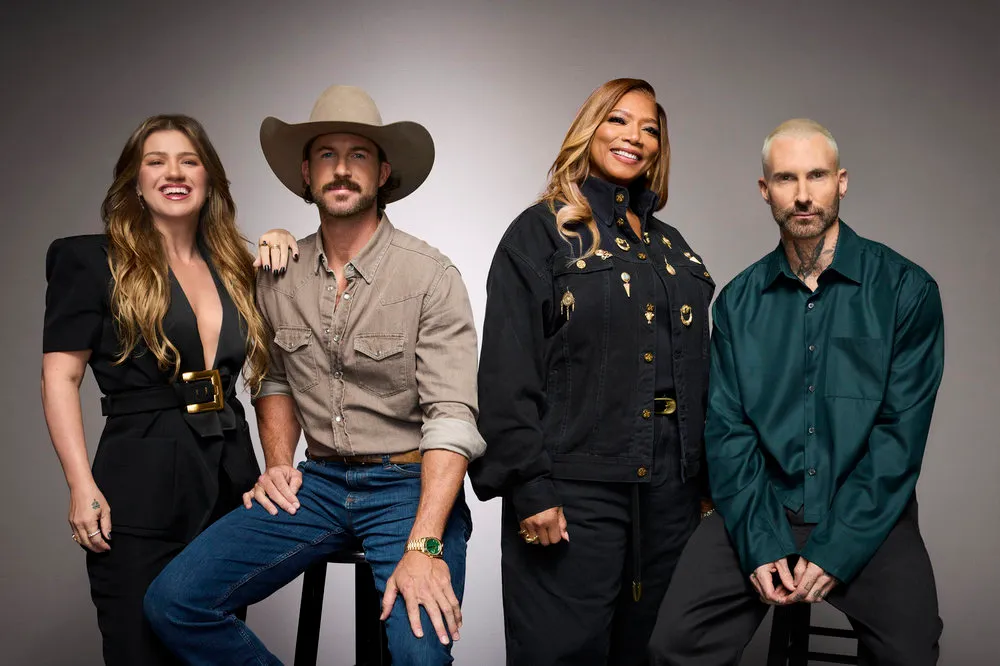
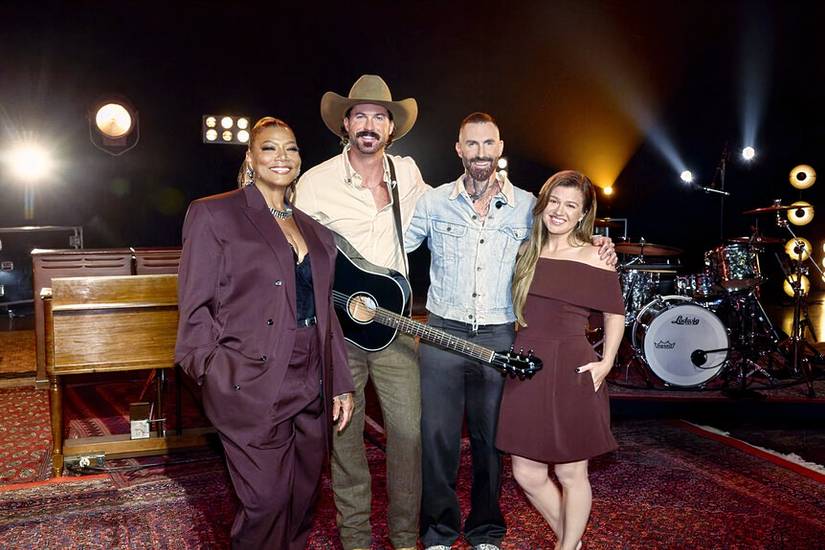
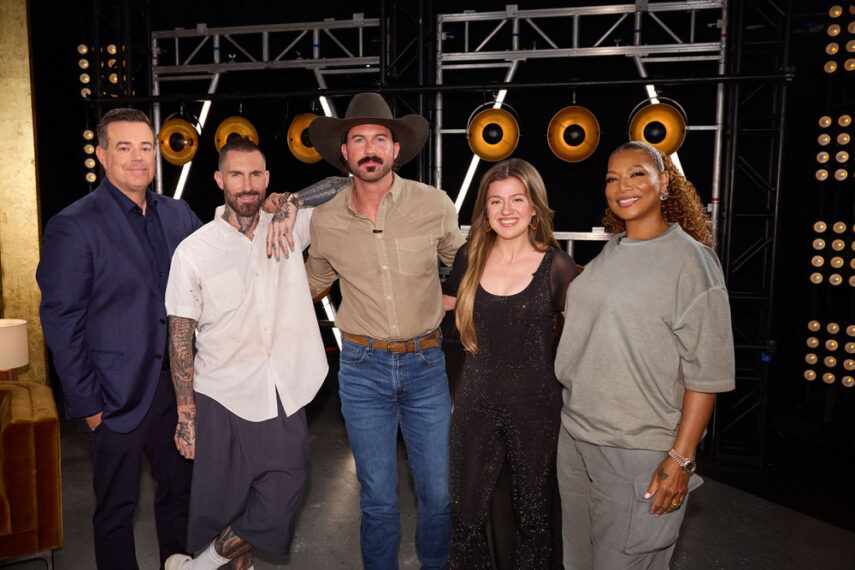
The change is more significant than simply moving episodes around NBC’s weekly television schedule. With the Battles finished, Kelly Clarkson, Adam Levine, Riley Green, and Queen Latifah are preparing for Cut Week, a new competition stage that will eliminate 15 singers in one night. For contestants who have spent weeks fighting for a place on their coach’s team, November 2 could become the most important night of the entire season.
What makes this particularly interesting is that Season 30 is not following the traditional progression that longtime viewers have come to expect.
In previous seasons, contestants typically moved through the Battles, Knockouts, and Playoffs before reaching the Live Shows. Each stage provided another opportunity to demonstrate their abilities, recover from a difficult performance, and convince their coaches that they deserved to continue.
This time, NBC has taken a different approach.
The Knockout Rounds and Playoffs have been removed from the fall competition, making room for a new format called Cut Week. Instead of gradually reducing the teams through several separate stages, the show will make a much bigger cut before the Live Shows begin.
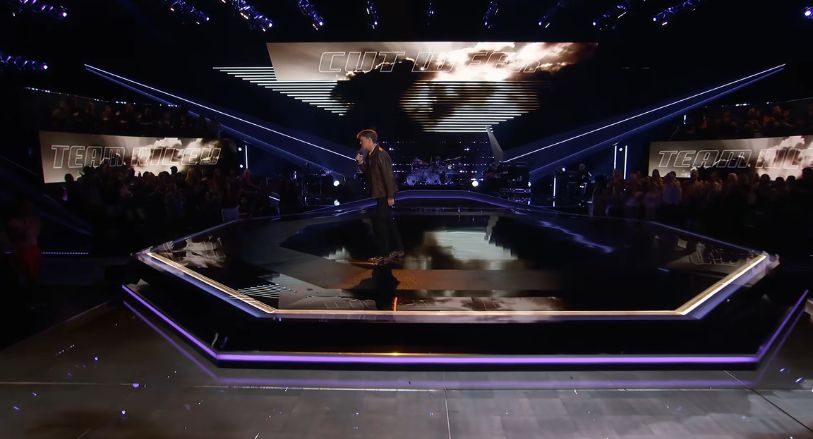
It is a bold decision for a milestone season, particularly because Season 30 is also bringing back a major feature that longtime viewers have wanted to see: the Live Shows.
NBC confirmed that the new season would restore live episodes and introduce updated voting methods, including the first-ever simulcast of an NBC entertainment program on Peacock. The network also announced partnerships designed to expand the experience for artists and viewers, making the anniversary season more than simply another edition of the competition.
But bringing back the Live Shows comes with a price.
With more time allocated to live performances later in the season, the earlier competition stages have been reorganized. Rather than spreading eliminations across multiple rounds, the show is concentrating a substantial portion of the pressure into one major episode.
And the numbers make the challenge clear.
Following the Battles, each coach has seven artists remaining on their team. That means 28 contestants are still hoping to reach the next stage, but only 13 places will be available in the Live Shows.
Each coach must first select two contestants who will automatically advance. Those eight singers will not have to compete for the remaining opportunities during the Cut Week performances.
The other five artists on each team will then face another performance challenge. After watching them compete, each coach will select one additional contestant to advance, leaving four more places to be determined across the teams.
Finally, America will have the opportunity to save one additional singer, completing the Top 13. The result is a significant reduction in the competition, with 15 artists eliminated during the process.
That structure creates a difficult situation for contestants who may have impressed viewers during earlier rounds but have not yet established themselves as obvious favorites.
A singer who delivered an outstanding Blind Audition cannot simply rely on that performance to carry them forward. Likewise, winning a Battle does not guarantee a place in the Live Shows.
The coaches must decide which artists they believe are ready to compete at the next level, while the remaining contestants have to make their case in a particularly demanding situation.
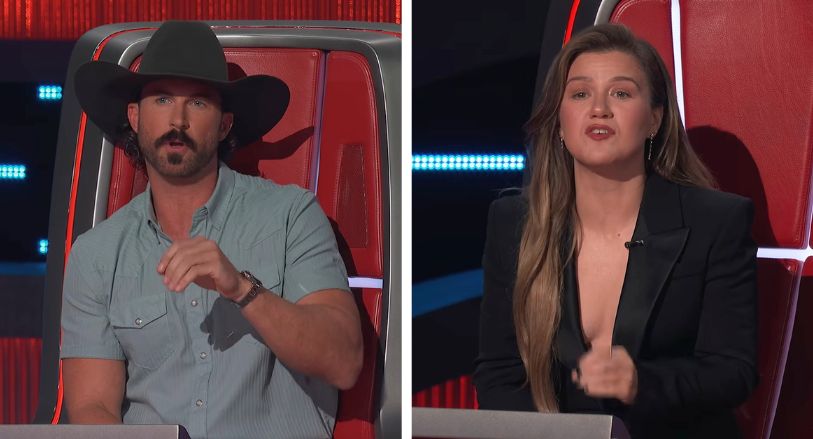
For Riley Green, this could be an especially challenging moment in his first season as a coach.
The country singer has already developed connections with several members of his team, including young Alabama contestant Joe Henley. Henley earned attention during the Blind Auditions with Travis Tritt’s “Anymore” and later advanced after facing Kenna Elpers in the Battles.
Other contestants on Green’s team have also demonstrated their potential, leaving him with decisions that could be difficult regardless of how well his artists perform.
Kelly Clarkson faces a similar challenge, particularly given her history of developing successful contestants. Adam Levine and Queen Latifah must also determine which singers have the strongest potential to succeed once the competition reaches its most public stage.
The pressure is not limited to the contestants, either.
Coaches have spent weeks building their teams, offering advice, and helping artists develop their performances. Now they must decide who deserves an opportunity to continue, knowing that choosing one contestant means leaving another behind.
That is one reason Cut Week could become such an important test of the coaches themselves.
Their decisions will reveal what qualities they value most when selecting artists for the final stage. Some may prioritize vocal consistency, while others could favor originality, emotional connection, or the potential to grow into a recording artist.
There is no guarantee that the contestant who delivers the strongest individual performance will automatically become the artist a coach believes can win the entire competition.
Another major change is waiting beyond Cut Week.
For Season 30, the Live Shows will introduce same-night results rather than separating performances and elimination announcements into different episodes. Executive producer Audrey Morrissey explained to TV Insider that the format will involve real-time voting, allowing viewers to discover which contestants advance on the same night they perform.
That could make the viewing experience considerably more intense.
In a traditional results format, audiences have additional time to discuss performances and consider their favorites before the next elimination announcement. This season, the competition will move more quickly, with the outcome determined during the live broadcast.
It also means contestants will need to make an immediate impression. A memorable performance could become particularly important when viewers are making decisions in real time.
The first Live Shows begin November 9 with the Top 13, followed by another Top 13 episode on November 16. The competition will then narrow to the Top 10 on November 23, Top 8 on November 30, and Top 6 on December 7.
The season will conclude with a two-hour live finale on December 14, when the Top 4 will compete for the Season 30 championship.
The other important detail is that viewers will need to adjust their television routines.
NBC’s return to Tuesday night NBA coverage is the reason The Voice has moved to a Monday-only schedule. The basketball programming began October 20, with the network’s opening-night tripleheader, and NBA games will occupy the Tuesday slot throughout the season.
Beginning with Cut Week on November 2, The Voice will also move to 9 p.m. ET, one hour later than its previous start time. Most Live Shows will run for one hour, while the finale receives a two-hour broadcast. Episodes will be available on Peacock following their NBC broadcasts.
Personally, the most interesting part of this new format is how much responsibility it places on the coaches before viewers even get the opportunity to vote for their favorites.
A contestant who has been steadily improving could disappear from the competition before getting the chance to perform in front of a live audience. At the same time, the faster format could create unexpected breakthroughs for singers who manage to deliver an unforgettable performance when the pressure is highest.
Whether this approach makes Season 30 more exciting or leaves viewers wishing their favorite contestants had another opportunity remains to be seen.
One thing is certain: the road to the championship is becoming much shorter, and not everyone who started the journey will get to experience the Live Shows.
Do you think The Voice made the right decision by replacing the Knockouts and Playoffs with Cut Week, or would you rather see contestants get more opportunities to prove themselves before elimination?