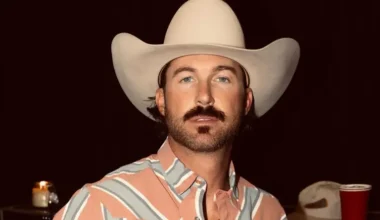
Some country songs are so closely tied to the voices that made them famous that performing them can feel like stepping into someone else’s shadow. That is exactly the challenge Joe Henley faced on The Voice Season 30 when he chose one of Keith Whitley’s most beloved recordings. But the 19-year-old Team Riley singer did more than take on a familiar country classic. He brought a piece of country music history into the middle of a competition increasingly focused on what comes next.
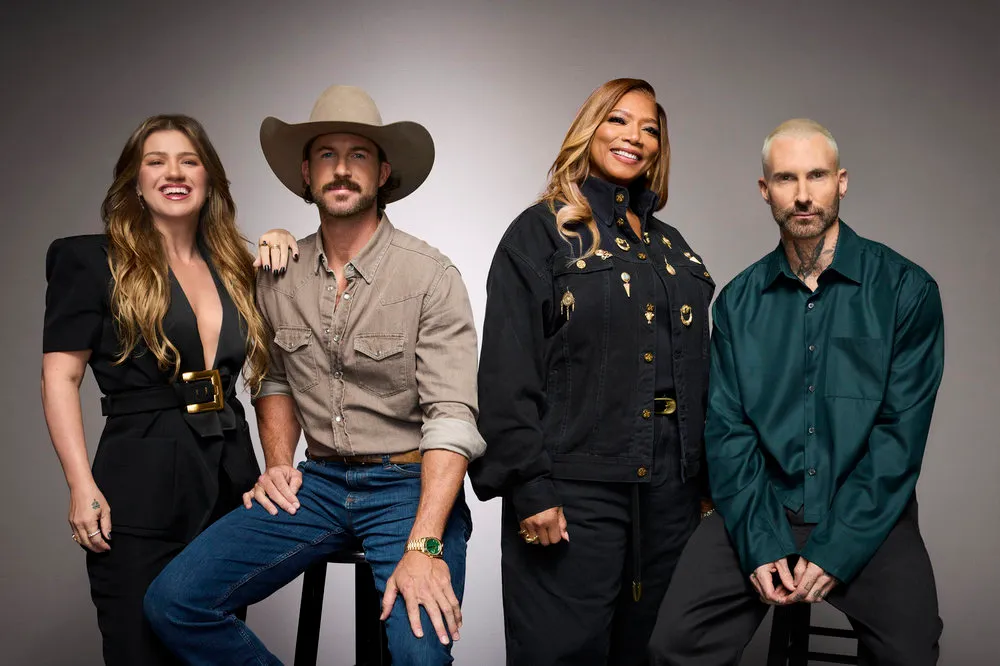
Henley’s performance of “Don’t Close Your Eyes” has already become one of the standout moments heading into the show’s new Cut Week round. The early-release video showed the Alabama teenager delivering his interpretation of the 1988 hit, with the coaches visibly responding as he sang. By the end, Kelly Clarkson, Riley Green, Adam Levine, and Queen Latifah were all on their feet.
The reaction was significant, but the song itself deserves some attention, too. “Don’t Close Your Eyes” is not simply an old country favorite pulled from a list of recognizable hits. It is one of the recordings that helped establish Whitley as one of the defining voices of traditional country music in the late 1980s.
Released in 1988, the song became Whitley’s first No. 1 hit on the country chart. It was also the title track of the album that marked a turning point in his career, producing three consecutive chart-topping singles. The Country Music Hall of Fame and Museum describes Whitley as a leading figure in the New Traditionalist revival, an important movement that brought classic country sounds back into the spotlight during an era when pop- and rock-influenced styles were becoming increasingly prominent.
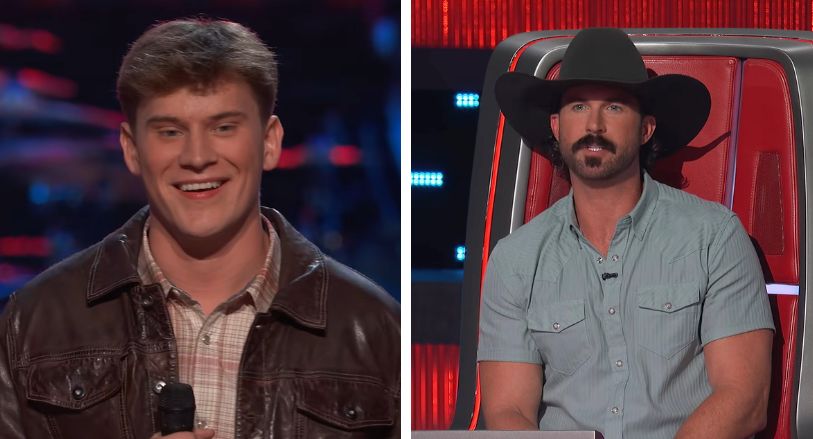
That history makes Henley’s choice particularly interesting. A young contestant could easily reach for a current radio hit or a song that immediately connects with viewers his own age. Instead, he selected a recording associated with a singer whose influence has stretched across generations of country performers.
Whitley’s voice was known for its expressive phrasing, distinctive baritone, and ability to communicate heartbreak without making a performance feel overstated. Those qualities are part of what makes his music difficult to approach. A singer can know every note and still struggle to capture the emotional character that made the original recording memorable.
Riley Green recognized that challenge when he responded to Henley’s performance. The coach praised the teenager’s natural ability and pointed out how difficult it was to sing a Keith Whitley song while still making it sound like your own. Green even joked that if he could sing like Henley, he would be incredibly rich and famous.
That comment was more than a compliment about vocal ability. It acknowledged the balancing act that comes with performing a song so closely associated with another artist. The goal is not necessarily to reproduce the original recording. It is to understand what makes the song work and find a way to communicate it through a different voice.
Kelly Clarkson was equally enthusiastic. After watching Henley perform, she said she would be “mind blown” if he did not reach the finale. It was a striking endorsement, particularly with the competition approaching a stage where the coaches must make some difficult decisions.
And this is where Henley’s performance becomes more than another impressive moment in his season. His choice of material offers a glimpse of the musical identity he could bring into the Live Shows if he makes it through.
Country music has always moved between generations. Established sounds are revisited, familiar songs find new audiences, and younger performers discover ways to make traditional material feel relevant without abandoning its roots. Whitley’s own career was part of that larger story. His music drew heavily from traditional honky-tonk and bluegrass influences, helping reconnect mainstream country with sounds that had shaped the genre long before the 1980s.
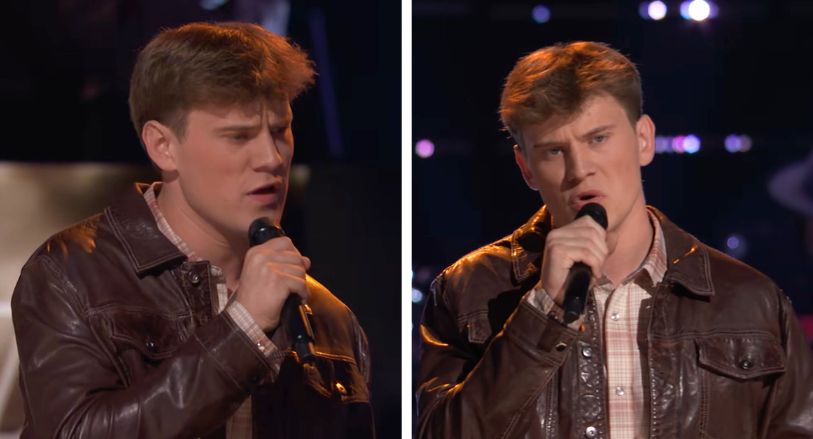
Henley’s performance does not automatically mean he will become the next major traditional-country artist, and one cover cannot tell viewers everything about his future. But it does show that he is willing to take on material with a history and an audience of its own. That can be a meaningful advantage in a competition where contestants need to establish an identity rather than simply deliver technically impressive performances.
There is also an interesting contrast between Henley’s musical choices and his relatively short experience as a live performer. According to the information shared during his Voice journey, he had never performed onstage before joining the competition. Yet he has continued to progress through a process designed to test singers in front of coaches, fellow contestants, and a national television audience.
His Blind Audition introduced him to viewers through Travis Tritt’s “Anymore.” Both Green and Clarkson turned their chairs, but Henley ultimately chose Green, partly because he was already a fan of the country singer. That decision gave him a coach whose own musical background is rooted in contemporary country with a strong connection to traditional influences.
The Battles brought another important test when Henley faced teammate Kenna Elpers on “Don’t Mind If I Do,” the duet by Green and Ella Langley. Green chose Henley to advance, keeping the young singer in the competition. Now, the Whitley cover has given him another opportunity to demonstrate that his appeal is not limited to one particular performance style.
His next challenge, however, is considerably more complicated.
Season 30 has introduced Cut Week, replacing the traditional Knockouts and Playoffs format with a major round of decisions. Each coach has seven artists remaining. Two will be sent directly to the Live Shows, while the other five must compete for one additional place on their respective teams. America will then vote for one more artist, bringing the overall Live Show lineup to 13 contestants.
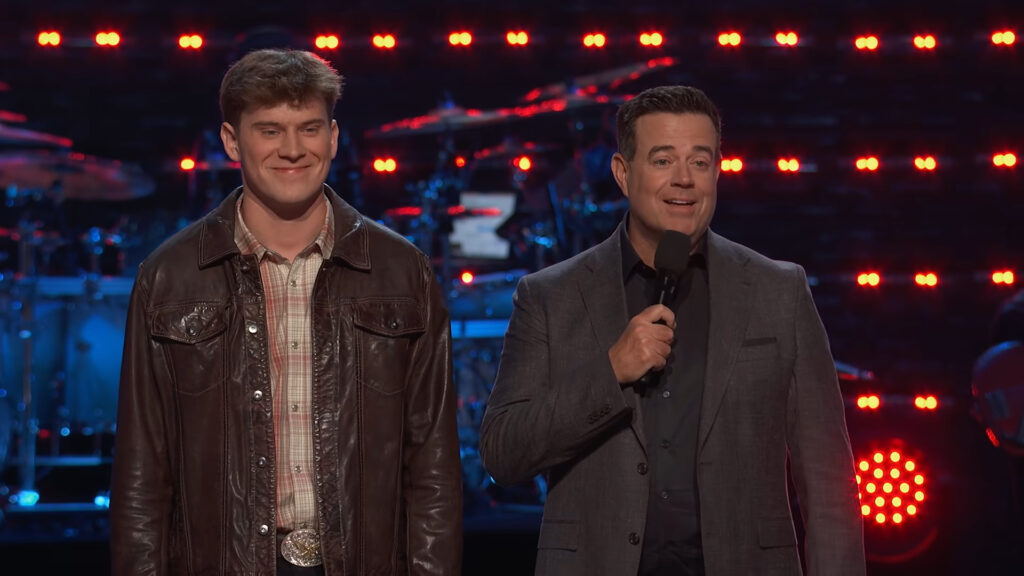
That means a standing ovation does not guarantee Henley a place in the next stage. Green must decide which artists have earned his confidence, and the coach will have to weigh more than one impressive performance when making that call.
Still, Henley has given his team a compelling reason to take his potential seriously. He has shown that he can approach a major country song, command the coaches’ attention, and make a strong impression without relying on a contemporary hit to do the work for him.
There is something fitting about a 19-year-old singer introducing a new television audience to a song that first became a major country hit nearly four decades ago. Whether Henley ultimately advances or not, his performance is a reminder that great country songs do not necessarily belong to one generation. They can find a new voice whenever an artist understands what makes them matter.
The bigger question now is whether Henley can turn that connection with country music’s past into a place in its future. The Voice will reveal the results during Cut Week on Monday, November 2, at 9 p.m. ET on NBC, with the episode scheduled to run until 11 p.m. ET.

Do you think Joe Henley has what it takes to carry traditional country music into the Live Shows and compete for the Season 30 title?