Few songs have managed to turn Halloween into a chart-topping tradition quite like Bobby “Boris” Pickett’s Monster Mash. What began as a playful musical joke in 1962 became a No. 1 hit, survived decades of changing musical tastes, and eventually earned a distinction that most novelty records could never dream of achieving.
More than six decades after its release, the song remains a seasonal favorite, repeatedly finding its way back into the music charts whenever October approaches. And its remarkable journey is even more surprising when you discover how close it came to never reaching listeners in the first place.
The story begins with Pickett, an aspiring entertainer whose fascination with classic horror movies helped inspire one of the most recognizable Halloween recordings in music history. He was particularly fond of legendary horror actor Boris Karloff, famous for his portrayal of Frankenstein’s monster, and had developed an impression of Karloff’s distinctive speaking voice.
Pickett had performed the impression at talent competitions, but he eventually realized there might be an opportunity to turn that unusual talent into something more. Alongside his songwriting partner Leonard Capizzi, he began developing an idea for a novelty record that would combine horror-movie characters with the dance crazes dominating popular music at the time.
Interestingly, the original concept was not even supposed to be called Monster Mash. The collaborators initially discussed incorporating popular dances such as the Twist and the Mashed Potato into the song. Their creative experiment eventually produced something entirely different: a fictional monster party featuring a dance that would become famous in its own right.
The recording came together remarkably quickly. Pickett and Capizzi developed the song in a short writing session, while producer Gary S. Paxton helped bring the unusual concept to life in the studio. The recording featured theatrical vocals, playful sound effects, and a spooky atmosphere that made it sound more like a miniature horror-comedy production than a conventional pop single.
Those strange details became essential to its identity. Rather than relying on a complicated musical arrangement, the track invited listeners into an imaginary gathering of famous monsters, with Pickett’s Karloff-inspired delivery providing its unmistakable personality.
But the entertainment industry was not immediately convinced.
According to the historical account of the song’s creation, several record labels initially rejected the recording. Its unusual subject matter and morbid humor made executives hesitant to take a chance on something so different from the conventional pop music of the period.
That could easily have been the end of the experiment. Instead, Paxton believed strongly enough in the recording to release it through his own Garpax Records label. The decision would become one of the most important moments in the song’s history.
Once radio stations began playing it, the reaction changed everything. What initially looked like an unusual novelty record suddenly had the ingredients of a major hit. Its combination of comedy, horror, and an infectious dance concept gave listeners something they could enjoy while celebrating Halloween, and its popularity quickly moved beyond the expectations surrounding its modest beginnings.
In October 1962, Monster Mash reached No. 1 on the Billboard Hot 100, spending two weeks at the top of the chart. For a recording built around a fictional monster party and an actor-inspired vocal impression, that was an extraordinary achievement.
The timing also helped establish its connection with Halloween. Its chart success arrived just before the holiday, giving the song an association that would continue for generations.
However, the song’s success was not entirely universal. Across the Atlantic, the BBC initially banned it from radio broadcasts, reportedly considering its subject matter too morbid. That decision created an unusual contrast: while American listeners were embracing the track, British broadcasting authorities were reluctant to put it on the air.
The restriction did not permanently prevent its success in Britain. Monster Mash eventually reached No. 3 on the UK singles chart in 1973, demonstrating that its appeal could travel well beyond the American Halloween season.
What makes the song’s history particularly fascinating, though, is that its popularity did not disappear after its original chart run.
Many novelty records become closely associated with the period in which they were released. They might enjoy a brief moment of popularity before being remembered primarily as amusing reminders of another era. Monster Mash followed a very different path.
It returned to the Billboard Hot 100 in 1970 and again in 1973, when it climbed as high as No. 10. Those appearances helped establish something unusual: the song was not simply a forgotten hit from the early 1960s. It had become a recurring part of the musical calendar.

Then came another remarkable chapter nearly 60 years after its original release.
In 2021, Monster Mash returned to the Billboard Hot 100, reaching No. 37. The achievement demonstrated that an older recording could still attract enough seasonal interest to compete on a modern chart dominated by contemporary releases.
Its subsequent Halloween-season returns reinforced that pattern. The song appeared on the chart again in 2022 and 2023, showing that its popularity was not limited to a single anniversary or nostalgic revival.
And the recognition continued. In October 2025, Parade reported that Billboard had named Monster Mash the biggest Halloween song of all time. It was an extraordinary distinction for a recording that had originally been rejected by multiple record labels.
There is also an interesting reason why the song continues to work across different generations. Its appeal does not depend on complicated musical trends or references that only listeners from the 1960s would understand. The premise is immediately recognizable, the performance is theatrical, and the combination of humor and spooky storytelling makes it suitable for Halloween celebrations of almost any age.
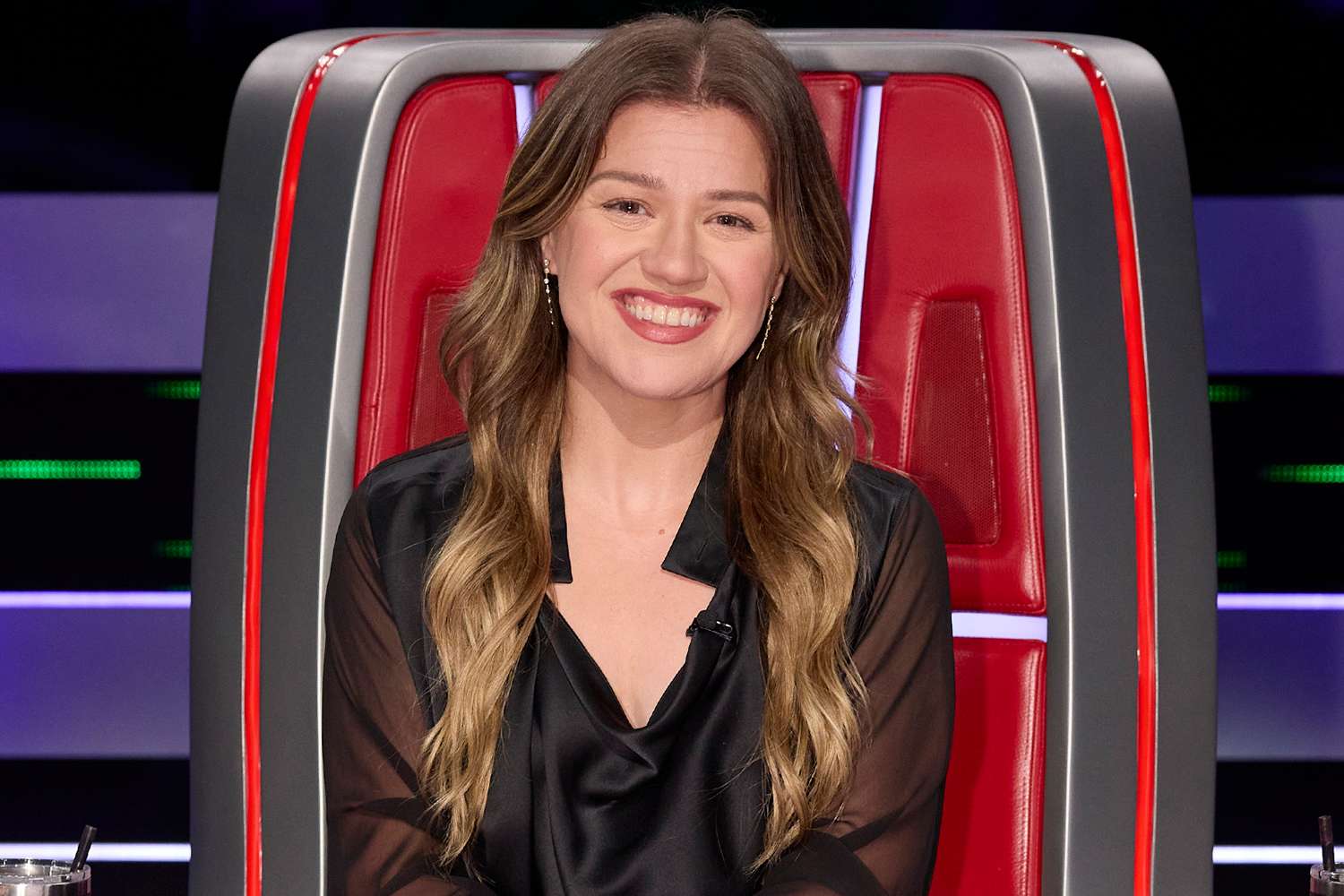
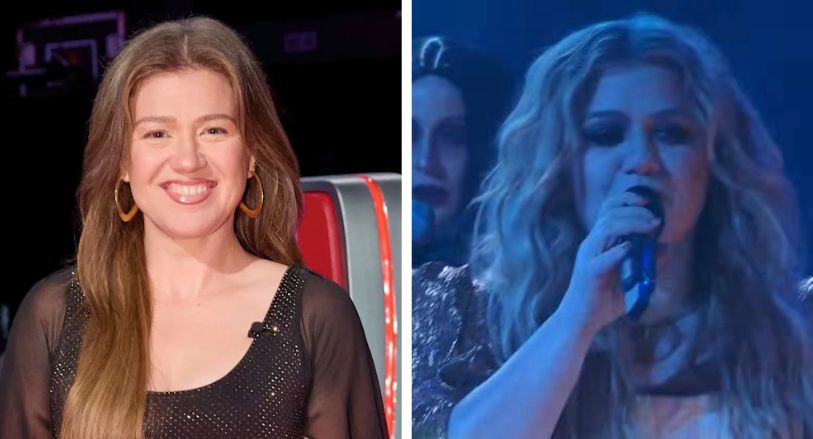
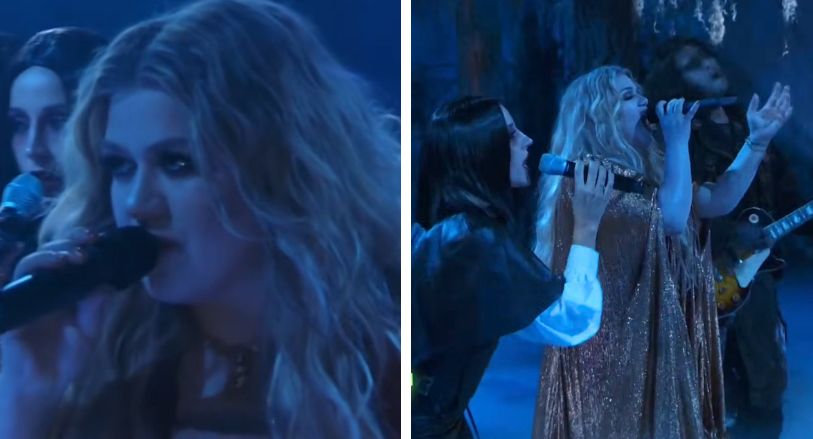
That enduring quality also explains why contemporary artists continue finding opportunities to reinterpret it. Kelly Clarkson, for example, gave the song a darker rock treatment during a 2022 Halloween edition of The Kelly Clarkson Show. Her performance demonstrated how a familiar recording could be approached through an entirely different musical style without losing its recognizable identity.
But the larger achievement belongs to the original song and the people who created it. Clarkson’s interpretation was another reminder of its flexibility, while Pickett’s recording remains the foundation of a Halloween tradition that has outlived countless musical trends.
There is something particularly satisfying about the fact that a song rejected by several labels eventually became one of the most recognizable seasonal recordings in American popular music. Pickett’s unusual vocal impression, a playful musical concept, and a producer willing to take a chance combined to create something nobody involved could have fully predicted.
Perhaps that is the real secret behind Monster Mash. It never needed to compete with every new musical trend because it had something much more valuable: a place in a holiday tradition that returns every year.
And with its extraordinary chart history and lasting recognition, the recording has achieved something that even many major pop hits never manage. It has become part of Halloween itself.
More than 60 years after its arrival, do you think Monster Mash deserves its reputation as the greatest Halloween song ever recorded, or is there another spooky classic that deserves the crown?