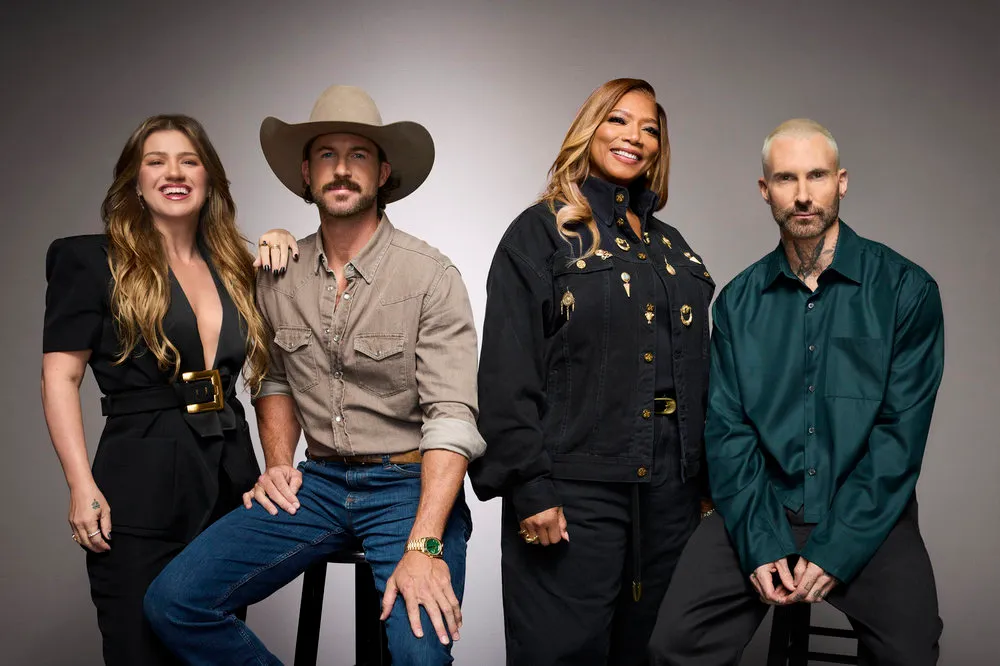
The Voice Season 30 has entered its most decisive stretch, and viewers are facing a very different competition from the one they watched earlier this season. With just 13 artists remaining at the start of the Live Shows, a shorter weekly broadcast, and a finale scheduled for December 14, the pressure is building for contestants hoping to become the next champion.
But the biggest change is not simply the number of singers still competing. NBC has moved The Voice to a new time slot, reduced its regular episodes to just one hour, and introduced a series of themed performance nights that could challenge the artists in very different ways.
For fans accustomed to longer episodes and an earlier start time, the changes are worth paying attention to. For the contestants, they introduce another question: how do you make a lasting impression when the competition is moving towards its conclusion and every performance matters?

The new schedule began on Monday, November 9, when the first Live Show aired at 9 p.m. Eastern Time on NBC. That is the programme’s new start time for the remainder of Season 30, replacing the earlier slot viewers may have become accustomed to.
The adjustment comes as NBC makes room for St. Denis Medical and The Fall and Rise of Reggie Dinkins in its Monday evening lineup. Rather than continuing with the same broadcast format, The Voice now occupies a one-hour window from 9 p.m. to 10 p.m. ET.
The regular Live Shows will continue in that format until the season finale, which is scheduled to expand to two hours on December 14.
It is a significant shift for a programme known for combining performances, coaching moments, contestant stories, and emotional competition results. With a smaller field of singers and a more compact broadcast, the remaining episodes have a different rhythm from the earlier stages of the season.
The timing also means the competition is approaching its conclusion quickly.
Following Cut Week, the field was reduced to 13 artists, leaving the remaining contestants to compete in the live portion of the season. The transition is particularly important because the stakes become increasingly visible as viewers watch their favourites attempt to survive each round.

And the producers have chosen an unusual collection of musical themes to accompany that final stretch.
The first two Live Shows are dedicated to Y2K Night, celebrating music from the late 1990s and early 2000s. The November 9 episode launched the theme, with the second instalment scheduled for Monday, November 16.
For many viewers, the era brings back memories of boy bands, pop divas, R&B hits, and the music that dominated radio around the turn of the millennium.
For contestants, however, those familiar songs present an interesting challenge.
A well-known hit can be an excellent way to connect with an audience, especially when listeners already have strong memories associated with it. But familiarity also creates expectations. Artists must find ways to make the material their own without losing the qualities that made the original songs popular.
A powerful ballad might allow a singer to demonstrate vocal control and emotional depth, while an upbeat pop anthem could demand energy, confidence, and stage presence.

That variety makes the Y2K theme more than a nostalgic celebration. It offers the remaining artists an opportunity to demonstrate how adaptable they can be.
The next scheduled theme could create an entirely different atmosphere.
On Monday, November 23, The Voice will celebrate Dolly Parton Night, placing one of country music’s most recognisable figures at the centre of the competition.
Parton’s catalogue is known for its storytelling, emotional honesty, and memorable melodies. Her music has also crossed genre boundaries, reaching audiences well beyond traditional country listeners.
For artists whose strengths lie in conveying emotion and telling stories through their performances, the theme could provide an especially interesting opportunity.
But contestants with backgrounds in pop, soul, or other genres may also find ways to interpret her music from a fresh perspective.
The challenge will be to preserve the emotional character of the songs while demonstrating an individual musical identity.
Then comes another major change in direction.
On November 30, the programme is scheduled to feature TikTok Night, a theme that reflects the increasingly important relationship between social media and contemporary music.
The contrast with Dolly Parton Night is striking.
Where the previous theme draws on an established musical legacy, TikTok Night brings attention to a platform associated with viral discoveries, rediscovered songs, and rapidly changing listening habits.
For contestants who have already developed an online following, the theme could feel particularly relevant. Others may find themselves working with songs or styles that differ from their usual musical preferences.
Either way, the episode offers an opportunity to explore how modern audiences discover and connect with music.
And in a competition where public attention matters, the relationship between a memorable television performance and online interest is difficult to ignore.
The final regular Live Show is scheduled for Monday, December 7, once again airing from 9 p.m. to 10 p.m. ET.
Unlike the preceding themed episodes, the supplied schedule does not identify a specific musical theme for that broadcast. Its position immediately before the finale nevertheless makes it an important date in the competition calendar.
By that stage, the remaining artists will have spent several weeks trying to establish their identities and demonstrate consistency.
A contestant who excels in one musical style may face a very different challenge when asked to perform outside their comfort zone. Likewise, an artist who initially attracts less attention could gain momentum with the right song selection and performance.
That unpredictability is part of what makes the final weeks of The Voice compelling.
The season will conclude on Monday, December 14, with a two-hour finale scheduled from 9 p.m. to 11 p.m. ET.
The expanded broadcast gives the final episode a different format from the preceding one-hour shows, providing a larger window for the season’s conclusion.
For viewers who cannot watch the programme when it airs, Peacock provides another way to follow the competition.
New episodes are available for next-day streaming, while live viewing depends on the subscription and access options available to the viewer.
The source schedule lists Peacock Premium at $12.99 per month and Premium Plus at $19.99 per month, with annual options also available. Viewers should check the service’s current subscription terms before signing up, particularly if they are looking for live access rather than next-day viewing.
Peacock does not offer a standard direct free trial under the arrangements described, although eligible customers may find promotional trials through third-party services.
Still, the more interesting question is how the revised television schedule could influence the viewing experience.
In my view, the strongest feature of the remaining season is the contrast between its musical themes. Y2K nostalgia, Dolly Parton’s storytelling, and TikTok’s contemporary influence will test different aspects of the contestants’ abilities.
That variety could make it harder for any one type of singer to dominate every episode.
A performer who excels with an emotional ballad may not necessarily deliver the most memorable upbeat pop performance. Likewise, someone who thrives with contemporary material might discover unexpected strengths when interpreting a country classic.
With the December 14 finale approaching, there is little room for an unconvincing performance.
The new 9 p.m. start time is the practical change fans need to remember, but the evolving musical challenges may be what ultimately make the final stretch of Season 30 worth watching.
Which upcoming theme are you most excited about: the return to Y2K hits, the celebration of Dolly Parton, or TikTok Night? And do you think the shorter episodes will make the competition more exciting, or would you rather have more time with the contestants each week?