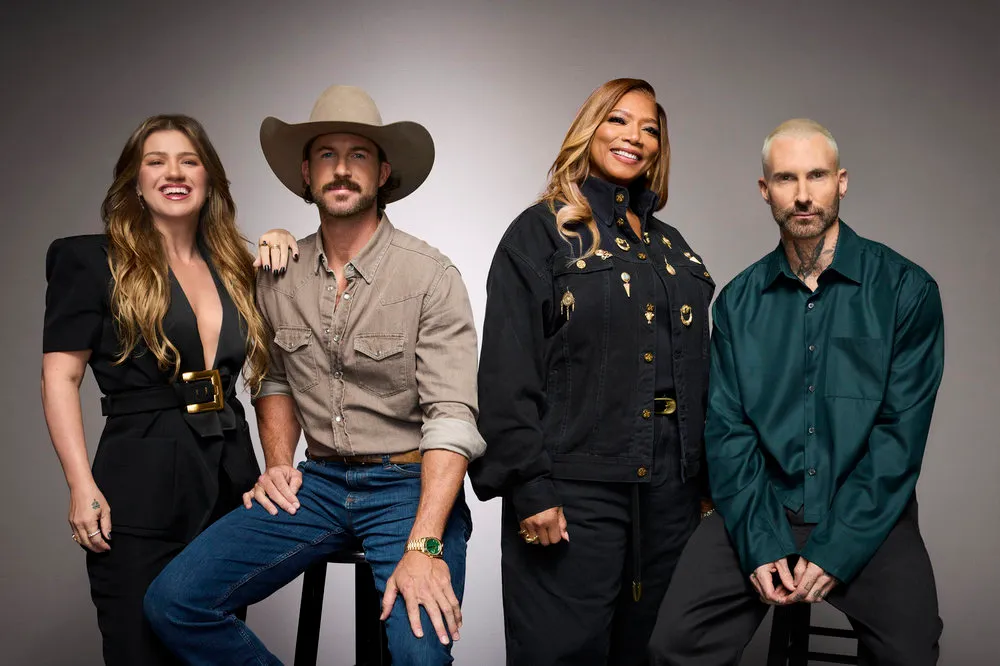
At 61 years old, Kyle Davis has accomplished something that many younger contestants on The Voice can only dream of: convincing America to bring him back after his competition journey appeared to be over. But the most intriguing part of his Season 30 comeback is not simply that he won the public vote. It is what happens next, when the veteran singer must prove that his second chance was worth fighting for.
The Team Kelly Clarkson contestant secured the 13th and final position in the Season 30 live competition after winning America’s Save, a public vote that gave one previously eliminated artist another opportunity to compete. His return represents a significant moment for a singer whose performances have already attracted attention for their warmth and nostalgic appeal.
And while his victory was celebrated by supporters, the unusual circumstances surrounding his return created an unexpected distraction.
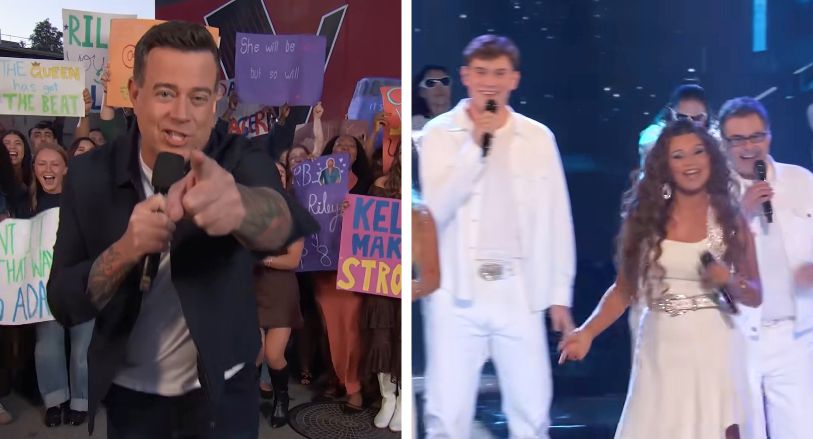
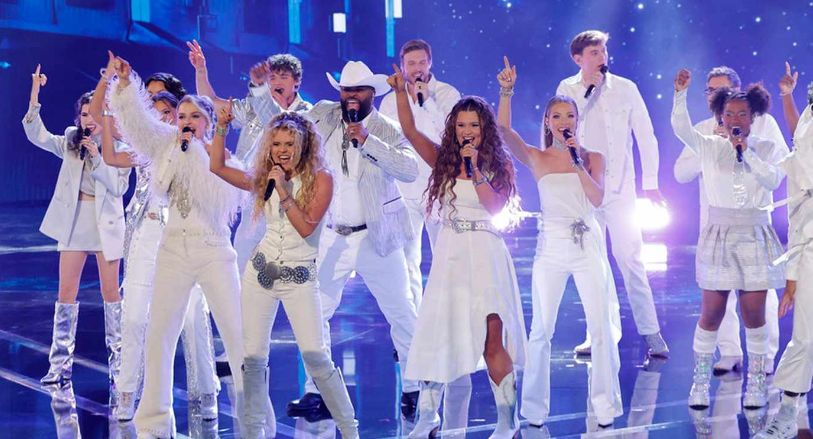
The Voice officially began its Season 30 Live Shows on Monday, November 9, with a Y2K-themed episode featuring music associated with the late 1990s and early 2000s. Host Carson Daly introduced the evening with a nostalgic opening before the contestants performed the Backstreet Boys’ “Everybody (Backstreet’s Back).”
Among the singers participating in that opening number was Davis, whose presence effectively confirmed that he had won America’s Save before the broadcast had clearly explained the result.
The programme had already announced his victory on social media, but some viewers were still expecting an official reveal during the televised episode. Instead, Davis appeared alongside the other contestants as the Top 13 took the stage.
That unusual sequence prompted questions from viewers who noticed the additional performer before hearing a clear explanation of how he had earned his place.
For Davis, however, the more important development was that his competition journey had been revived.
America’s Save offered previously eliminated contestants an opportunity that most singing competition participants never receive. Rather than having their fate determined solely by the decisions made during earlier rounds, the eligible artists were given another chance to earn support directly from viewers.
That distinction makes Davis’s return particularly meaningful. His advancement was not simply the result of a coach deciding to keep him in the competition. It reflected a public vote in which enough viewers chose to support him over the other eligible contestants.
The result also introduces an interesting question about what audiences value in a singing competition.
The Voice regularly features performers with impressive vocal ranges, elaborate arrangements, and powerful high notes. Yet Davis has attracted appreciation for something that can be more difficult to measure: the feeling his performances create.
One viewer described his singing as having a warm, nostalgic quality, a reaction that helps explain why his musical identity may resonate with people who appreciate familiar sounds and emotionally accessible performances.
Nostalgia can be a particularly powerful element in a programme built around interpreting well-known songs. A singer does not necessarily have to reinvent every melody or produce the most dramatic vocal moment to connect with an audience. Sometimes the appeal comes from making listeners feel comfortable with a song they already love.
For a 61-year-old contestant, that connection could become a meaningful advantage.
Davis brings a different perspective to a competition that includes artists at various stages of their musical development. His age alone does not determine his ability or his chances of success, but it does make his journey distinctive within the context of a nationally televised singing contest.
There is also something compelling about seeing a performer pursue a major opportunity later in life. The entertainment industry frequently celebrates young artists who appear to be on the verge of a breakthrough, while stories about older performers can challenge assumptions about when someone should stop chasing ambitious goals.
Davis’s presence on The Voice offers a reminder that musical opportunities are not restricted to one stage of adulthood.
Still, winning a public vote to return is only the beginning of the challenge.
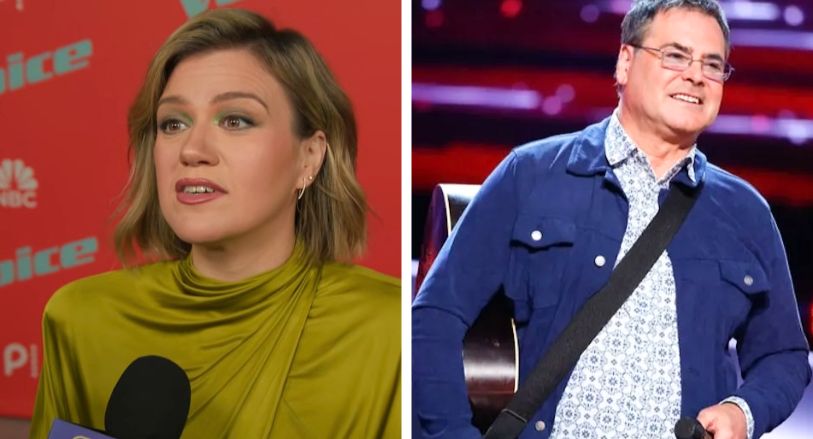
A comeback can generate enthusiasm, but that enthusiasm must eventually translate into support for new performances. The audience that helped Davis secure the final Top 13 position will now have the opportunity to judge him alongside contestants who advanced through the earlier stages of the competition.
That creates a different kind of pressure.
During America’s Save, viewers were choosing which eliminated singer deserved another opportunity. In the Live Shows, the focus shifts towards which performances are strong enough to justify continued advancement.
The distinction matters because sympathy for a contestant’s journey and enthusiasm for their singing are not always the same thing.
Davis will need to demonstrate that the qualities that earned him public support can remain compelling as the competition becomes more demanding.
His coach, Kelly Clarkson, could play an important role in that process. As a successful recording artist and experienced Voice coach, Clarkson understands the importance of song selection, vocal identity, and emotional connection.

For Davis, choosing material that highlights his strengths without making his performances feel predictable may be particularly important.
The Y2K theme also presents an interesting opportunity. Songs from that era cover a wide range of musical styles, from emotional pop ballads to R&B, rock, and dance-oriented hits. Finding the right material could allow him to combine the nostalgic appeal viewers already appreciate with a performance that demonstrates something new.
That possibility makes his upcoming appearance especially interesting.
Davis is scheduled to perform during the second Y2K-themed Live Show on November 16, when Team Kelly and Team Riley Green take the stage. It will be his opportunity to move beyond the excitement of being saved and establish himself as a serious contender in the live competition.
The stakes have already become clear.
The first Live Show ended with Team Queen Latifah contestant Lillie Kolich leaving the competition after performing Britney Spears’ “(You Drive Me) Crazy.” Her elimination demonstrated how quickly the field can change once the live rounds begin.
For Davis, the lesson is straightforward: another opportunity does not guarantee another advancement.
His return also sparked discussion about the other singers who were competing for America’s Save. Some viewers expressed disappointment that contestants such as Joe Henley and Allie Rae were not selected instead.
That disagreement is a natural part of a competition decided by public preference. Different viewers respond to different vocal qualities, performance styles, and personalities. The outcome reflects the vote, not an objective ranking of every contestant’s musical ability.
Davis himself responded to the news with gratitude rather than focusing on the debate.
Under The Voice’s official Instagram announcement, he thanked everyone who had voted for him, making it clear that the support meant a great deal.
His reaction was brief, but it captured the significance of the moment. A singer who had already faced elimination was now preparing to return to one of television’s biggest singing stages.
In my view, that is the real story behind Davis’s comeback. The awkward television reveal may have created confusion, but the more compelling question is whether a 61-year-old performer with a distinctive musical appeal can turn a public rescue into a sustained competition run.
His age makes the journey interesting, but his future should ultimately be decided by the performances he delivers.
When Davis returns to the stage on November 16, viewers will finally get the chance to evaluate him in the live competition he fought to rejoin.
And the question is no longer simply whether he deserved America’s Save. It is whether he can prove that the audience made the right decision.
Do you believe Kyle Davis has what it takes to reach The Voice Season 30 finale, or would you have given the final Top 13 spot to another contestant?