At just 15 years old, Allie Rae had already earned three chair turns on The Voice, impressed Kelly Clarkson, and received a remarkable comparison to country music legend Reba McEntire from her own coach, Riley Green. Yet none of those achievements was enough to secure her a place in Season 30’s Top 13.
Now, the Texas teenager faces a challenge that could prove even more important than advancing on a television singing competition: turning national exposure into a lasting country music career.
And judging by her latest announcement, Rae is not waiting around for another opportunity to appear.
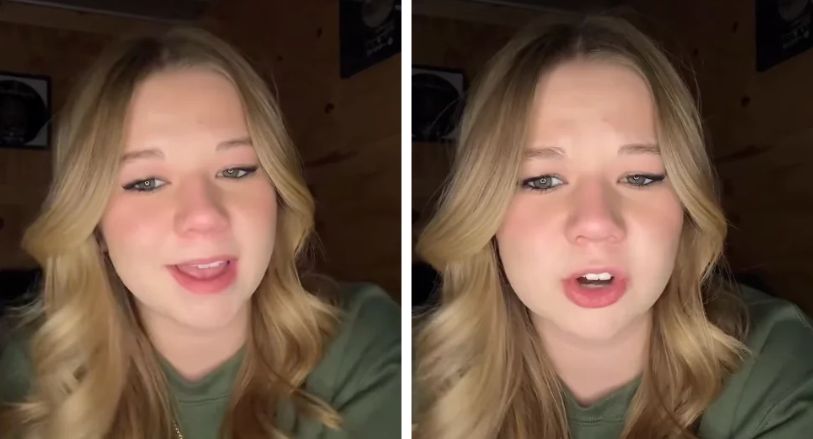
The Santa Fe, Texas, singer has confirmed that she is writing original songs and spending time in the recording studio following her departure from The Voice. For an artist who is still in her teens, that represents a potentially significant next step.
Rather than relying exclusively on the attention she received during the competition, Rae is beginning to explore what it means to create music of her own.
That distinction matters because a successful performance of somebody else’s song and the development of an original artistic identity are two very different achievements.
Throughout Season 30, Rae demonstrated that she could interpret established material from different musical traditions. But recording original songs will give her an opportunity to introduce audiences to her own perspective, musical influences, and songwriting interests.
Her journey began with an audition that immediately suggested she was capable of handling a much bigger stage than her age might lead viewers to expect.
Rae performed Alannah Myles’ “Black Velvet,” a song known for its distinctive combination of blues, rock, and country influences.
It was an ambitious selection for a 15-year-old contestant.

Rather than choosing a straightforward contemporary country hit, Rae introduced herself with material that allowed her to demonstrate a different side of her musical interests.
The performance earned three chair turns, putting her in the enviable position of having multiple coaches interested in working with her.
But Riley Green was particularly determined to secure the young singer.
Green used his First In Button to claim Rae for his team, making an emphatic statement about the potential he saw in her.
That moment established an early connection between the two and gave Rae an opportunity to develop under a coach closely associated with the country music world she hopes to enter.
Her progress did not stop with the Blind Auditions.
During the Battle Rounds, Rae faced Harmony McKee in a performance of Bill Withers’ “Ain’t No Sunshine.”
The song presented a different musical challenge from her audition. Its emotional weight depends heavily on phrasing and interpretation, requiring performers to communicate feeling without relying entirely on dramatic vocal moments.
Rae advanced after the Battle, earning another opportunity to demonstrate her abilities.
Then came Cut Week, when she performed Lainey Wilson’s “4X4XU.”
This selection brought her more directly into contemporary country territory and gave the coaches another opportunity to evaluate her as a developing artist.
Kelly Clarkson was impressed by how much Rae had accomplished at such a young age, noting that she was already far ahead in her musical journey.
Green delivered an even more memorable assessment.
He described Rae as a “mini-Reba,” drawing a comparison to one of country music’s most recognizable performers.
For any aspiring country singer, being associated with Reba McEntire is a substantial compliment. For someone who is only 15, it is especially striking.
McEntire’s career has been defined not simply by vocal ability, but by storytelling, stage presence, and an enduring connection with audiences.
Green’s comparison was praise for Rae’s performance qualities, not a prediction that she would achieve the same career. Still, it highlighted the confidence and personality she had displayed during the competition.
Yet The Voice is a competition in which strong performances and encouraging feedback do not always lead to advancement.
Green ultimately selected Joe Henley to move directly into the Top 13 from his remaining group.
That decision meant Rae’s future in the competition depended on America’s Save, giving viewers the opportunity to determine who would receive the final available place.
The vote went to Kyle Davis, a 61-year-old singer from Team Kelly.
The contrast between the two artists was particularly interesting.
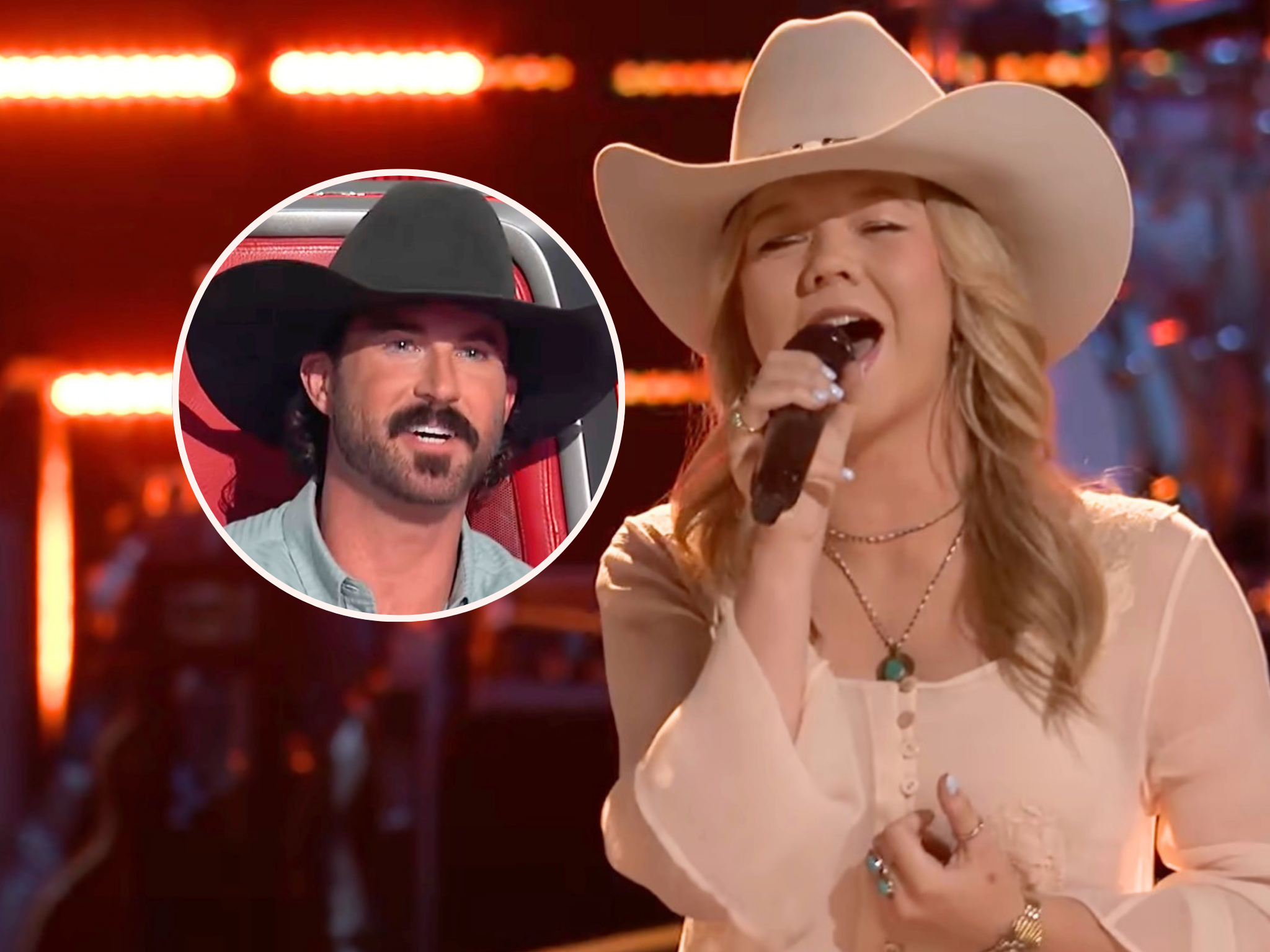
Rae represented a young performer at the beginning of her musical development, while Davis brought a different perspective and life experience to the competition.
Their competing bids for the final spot illustrated one of the central questions surrounding shows such as The Voice: Should viewers prioritize a contestant’s current performance, long-term potential, personal connection, or some combination of all three?
There is no universally correct answer.
The audience made its choice, and Rae’s Season 30 journey ended before the Live Shows.
But that result does not erase what she accomplished.
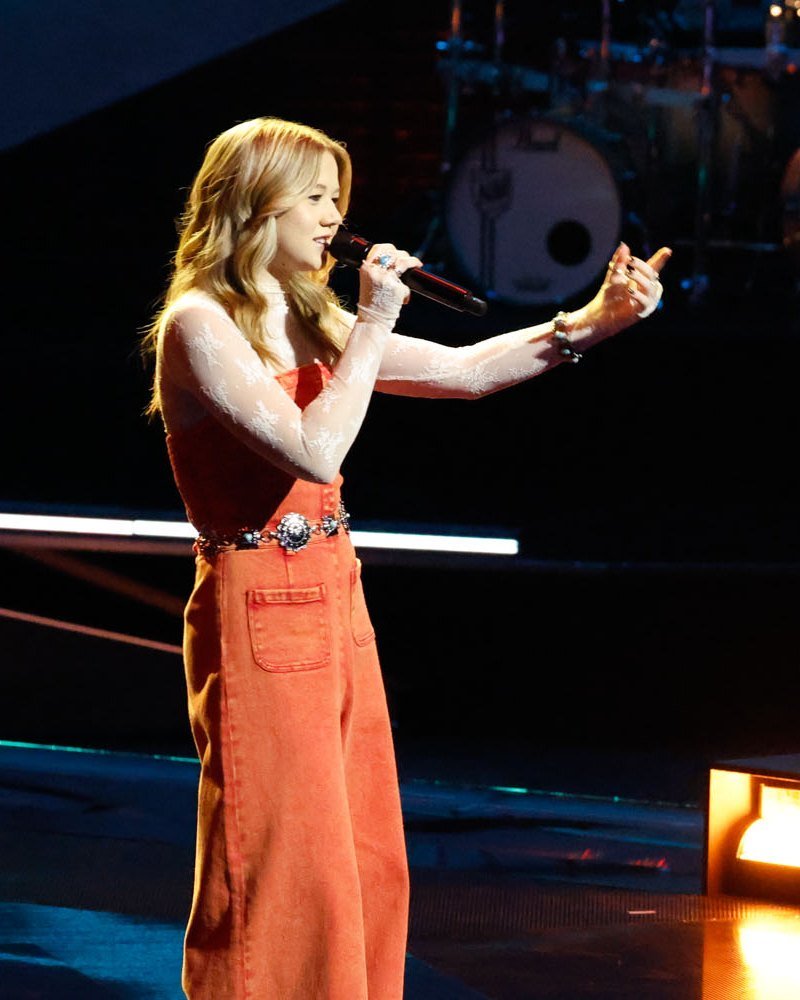
At an age when many aspiring performers are still discovering their musical preferences, Rae had already appeared on national television, worked with established artists, and performed songs from several musical traditions.
More importantly, she had introduced herself to listeners who might never otherwise have discovered her.
That audience could become valuable as she moves into the next stage of her career.
Following her elimination, Rae shared a video reflecting on the experience and expressing appreciation for the people she met during the competition.
She spoke positively about learning from the coaches and connecting with other talented artists, while thanking supporters for the encouragement she received.
She also explained that faith remains an important part of how she approaches her future.
Rather than announcing a fixed career plan or making ambitious promises about commercial success, Rae said she was trusting God to guide her next steps.
Then came the announcement that could matter most for fans hoping to hear more from her.
Rae confirmed that she had begun writing songs and working in the studio, with plans to share new music.
She did not provide a confirmed release date, track listing, or details about a recording project.
Nevertheless, the update signals that she intends to continue pursuing music beyond the television competition.
That is an encouraging development, particularly because the transition from singing competition contestant to independent recording artist is not always straightforward.
Television provides exposure, professional guidance, and a ready-made audience. Building a career afterward requires different kinds of decisions.
Artists must develop material, establish their sound, connect with listeners, and find opportunities to perform consistently.
For Rae, the process is beginning close to home.
She has announced a welcome-home celebration scheduled for November 14 at Little Roux in Conroe, Texas.
The event will feature a meet and greet beginning at 6 p.m., followed by live music from 7 to 9 p.m.
Although it is a smaller setting than The Voice stage, the occasion could offer something equally meaningful: direct contact with people who want to support her music beyond the competition.
For a young performer, those connections can become an important foundation.
An audience that attends local shows, follows new releases, and remains interested between major appearances may ultimately matter more than a brief period of national attention.
Rae’s challenge will be maintaining that connection while continuing to grow artistically.
Her age also gives her considerable room to develop.
At 15, she does not need to have every aspect of her musical identity established. Her influences, songwriting approach, and performance style may evolve significantly over the coming years.
And that is why the “mini-Reba” comparison is both exciting and something she should not feel obligated to live up to.
My view is that Rae’s strongest opportunity lies in developing a sound that is unmistakably her own rather than trying to become the next version of an established country star.
Her time on The Voice has already demonstrated her willingness to explore different material. Original songwriting could help reveal which elements of those influences truly belong to her.
The studio announcement does not guarantee a recording contract, a successful single, or a breakthrough career.
But it does show that Rae is taking steps towards a future in music.
And for a teenager whose journey on national television ended earlier than she had hoped, that may be the most important development of all.
The Voice gave Allie Rae an introduction. What she creates next will determine how audiences come to know her beyond the show.
Do you think Riley Green should have advanced Allie Rae into the Top 13, or could leaving the competition at 15 give her the freedom to develop into an even stronger country artist?