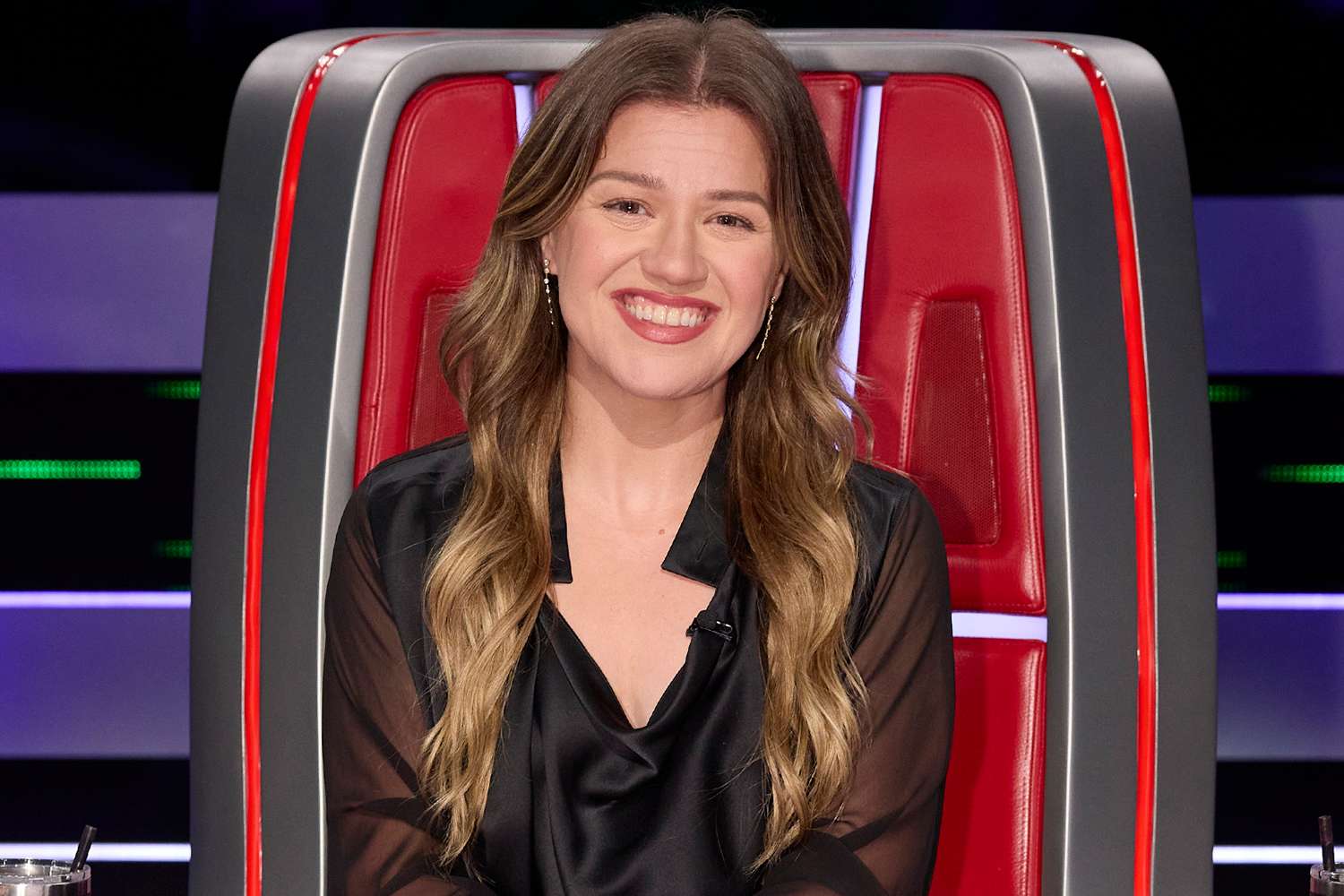
Kelly Clarkson had already made her decision. Faced with five talented singers during The Voice Season 30’s Cut Week, the Grammy-winning coach selected another artist to advance, leaving 61-year-old Kyle Davis fighting for his place in the competition. But then America stepped in, and the result gave Clarkson something none of the other coaches currently have.
A fourth contestant in the Top 13.
Davis, the oldest singer competing in Season 30, secured the final available position through America’s Save during the November 9 Live Show. His victory did more than extend his personal journey. It also changed the balance of the competition, giving Team Kelly four remaining artists while Adam Levine, Queen Latifah, and Riley Green each have three.
Now, as Clarkson prepares to send her team into the second night of Y2K-themed performances on November 16, Davis has become one of the season’s most intriguing contestants.
And perhaps the most remarkable part of his story is that Clarkson had already admitted she regretted being unable to advance him herself.
The coach spoke openly about the difficult decision she faced during Cut Week, when she could select only one artist from a group of five to move forward directly.
Davis was not her choice.

For any contestant, reaching that stage only to miss out on automatic advancement would be disappointing. But Davis faced an additional uncertainty: his future depended on whether viewers connected strongly enough with his previous performances to bring him back.
The audience ultimately gave him that opportunity.
Following the announcement, Davis shared a message on Instagram expressing his gratitude to the people who had supported him.
He described his experience on The Voice as enjoyable and made it clear how relieved he was that his journey had not ended.
His message also reflected an understanding that the competition was far from over.
Davis encouraged supporters to watch his next performance and reminded them that he would need their votes again to remain in contention.
That combination of gratitude and determination has become central to his story.
At 61, Davis is competing against artists from dramatically different generations, including teenagers who are only beginning to explore their musical ambitions.
Yet his age has not prevented him from earning a place among the remaining contestants.
In fact, Clarkson believes it makes his achievement particularly impressive.
Speaking to Parade, she praised Davis for competing successfully alongside singers of different ages and highlighted the distinctive qualities of his voice.
She also revealed that she had personally apologized to him during rehearsals for not selecting him to advance directly.
That detail adds an unexpected emotional dimension to his return.
Coaches on The Voice are frequently required to make difficult choices, sometimes eliminating artists they genuinely admire. But Clarkson’s comments suggest Davis was someone she had valued from the beginning.
She explained that his vocal tone had made him one of her favorite singers from the Blind Auditions.
For a contestant who had just been denied a direct place in the next round, hearing that assessment from his coach must have carried considerable significance.
It also illustrates how the competition’s format can create difficult situations even when a coach believes an artist has exceptional talent.
Clarkson was not necessarily rejecting Davis’s ability. She was choosing between multiple performers while operating within the restrictions of the round.
America’s Save provided a second route into the Top 13.
And when viewers selected Davis, Clarkson received another opportunity to work with a singer she had already praised.
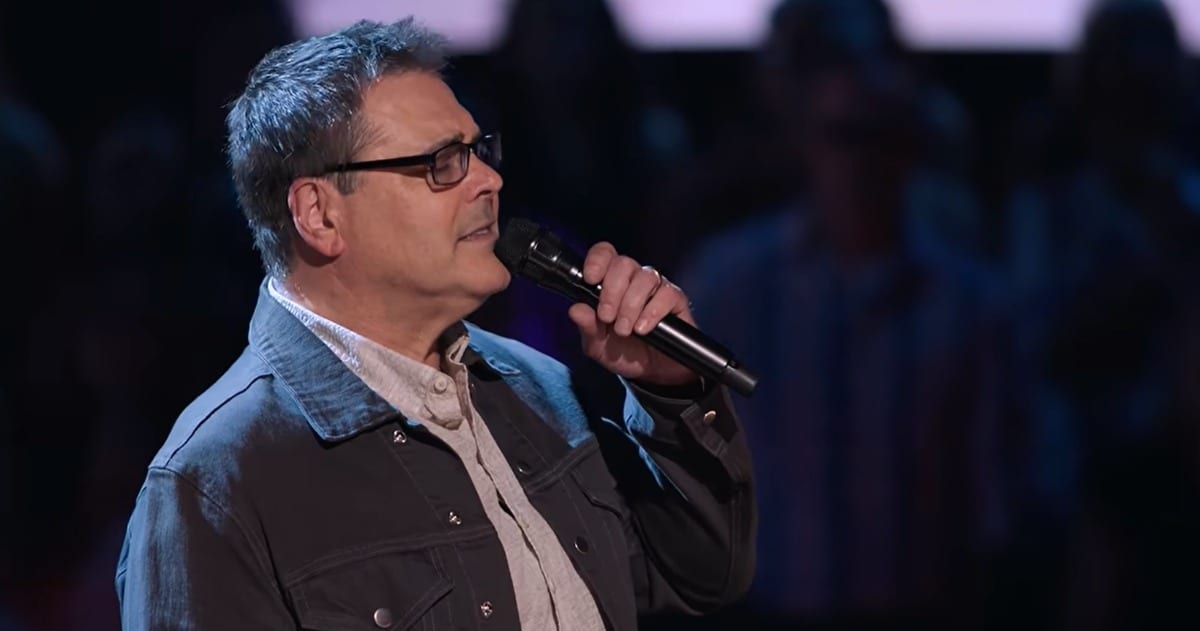
The result creates an interesting question about the relationship between coaches’ decisions and audience preferences.
Throughout the early stages of The Voice, coaches have considerable influence over which contestants advance. Their assessments of vocal ability, performance potential, and artistic development shape the competition.
But once viewers become involved, another factor enters the equation.
An artist who does not receive a coach’s direct selection may still connect with the public in a way that changes their future.
Davis is now a clear example of that possibility.
His advancement suggests that enough viewers wanted to hear more from him to secure the final available place.
It does not necessarily mean audiences disagreed with every aspect of Clarkson’s earlier decision. But it demonstrates that Davis had developed meaningful support beyond the coaching panel.
That support will become particularly important during the next stage.
The November 16 episode is scheduled to feature Team Kelly and Team Riley, with contestants performing as part of Season 30’s Y2K theme.
For Davis, the challenge will be to build on the momentum of his second chance.
He can no longer rely on the excitement surrounding his return alone.
As the competition moves towards the semifinals, every remaining artist must continue demonstrating why they deserve a place in the next round.
And Davis faces a particularly interesting musical challenge.

The Y2K theme focuses attention on songs associated with the turn of the millennium, a period that offers a wide variety of musical styles and recognizable recordings.
For a performer with decades of life experience, interpreting material from that era could provide opportunities to draw on personal musical influences.
But familiarity with a song does not automatically translate into a successful performance.
Song choice, arrangement, vocal delivery, and emotional connection will all matter.
Davis’s supporters have already begun offering suggestions about what they would like to hear from him.
Among the requests shared online were Bob Seger’s “Turn the Page” and “Roll Me Away,” along with Air Supply’s “Lost in Love.”
Those suggestions point towards an interest in hearing Davis interpret established rock and soft-rock material.
However, they are fan requests rather than confirmed selections for his next performance.
What Davis ultimately sings will be important because his voice has already attracted attention for qualities Clarkson considers distinctive.
The strongest choice may be one that allows those qualities to remain central rather than forcing him into a style that does not suit his natural delivery.
There is another fascinating aspect to Team Kelly’s position.
Clarkson now coaches both the youngest and oldest contestants remaining in the competition.
Her team includes 13-year-old Brianna Cameron and 61-year-old Davis, creating a remarkable 48-year age difference between two artists competing for the same title.
That contrast is one of the most compelling elements of Season 30.
Cameron represents a young performer whose musical journey is only beginning, while Davis brings the perspective of someone who has lived through several decades of musical change.
Both are pursuing the same opportunity.
And both must ultimately convince audiences through their performances rather than their ages.
The Voice does not award extra points for youth or experience. A teenager can deliver an unforgettable performance, just as an older artist can surprise viewers with a fresh interpretation of familiar material.
What makes Clarkson’s team especially interesting is that she must find ways to develop performers whose musical experiences and needs may be very different.
A 13-year-old singer may benefit from guidance on building confidence and discovering an artistic identity.
A 61-year-old contestant may bring a more established sense of musical preference while still benefiting from coaching on arrangement, presentation, and adapting to the demands of televised competition.
Neither approach is inherently better.
But managing both within the same team gives Clarkson an unusual coaching challenge.
It also gives viewers two very different stories to follow.
Davis’s America’s Save victory has already generated encouraging responses from supporters, including people who say they have begun listening to his existing recordings on Spotify.
That is a meaningful development for any artist appearing on a television competition.
While winning The Voice would be a major achievement, attracting listeners who actively seek out an artist’s music can also create opportunities beyond the programme.
Davis has already demonstrated that his appearance can encourage at least some viewers to explore his work outside the show.
Whether that interest continues to grow will depend on his future performances and how he maintains his connection with listeners.
For Clarkson, meanwhile, the immediate priority is keeping her team competitive.
Having four contestants in the Top 13 gives her more representation than any other coach, but it does not guarantee that advantage will continue.
The next performances and audience decisions could quickly change the balance.
My view is that Davis’s return is one of the most interesting developments of Season 30 because it challenges the idea that a coach’s initial selection necessarily identifies every artist with winning potential.
Clarkson recognized something special in his voice but could not advance him directly.
The audience then gave him another opportunity.
Now he has the chance to demonstrate whether that decision was the beginning of an even bigger journey.
And there is a particularly appealing possibility in the fact that the competition’s oldest contestant is still fighting for the same prize as singers young enough to be his grandchildren.
Davis’s story is not simply about age. It is about the possibility of pursuing a musical opportunity at a stage of life when others might assume such ambitions belong to the past.
He has already overcome one major obstacle.
The next challenge is proving that his second chance was worth taking.
With the November 16 Live Show approaching, Clarkson will be watching closely, and so will the viewers who voted Davis back into the competition.
Do you think Kyle Davis could become Season 30’s surprise finalist, or will Kelly Clarkson’s younger contestants have the stronger chance of winning The Voice?