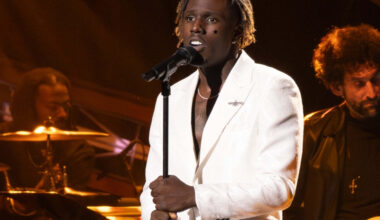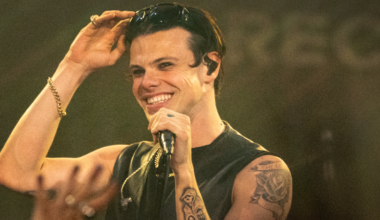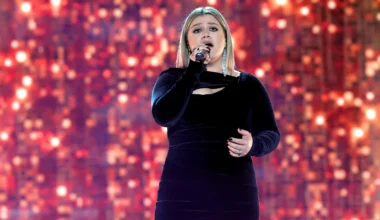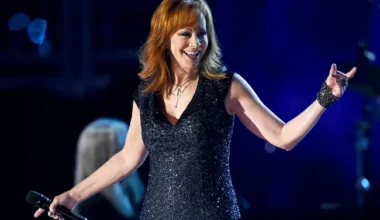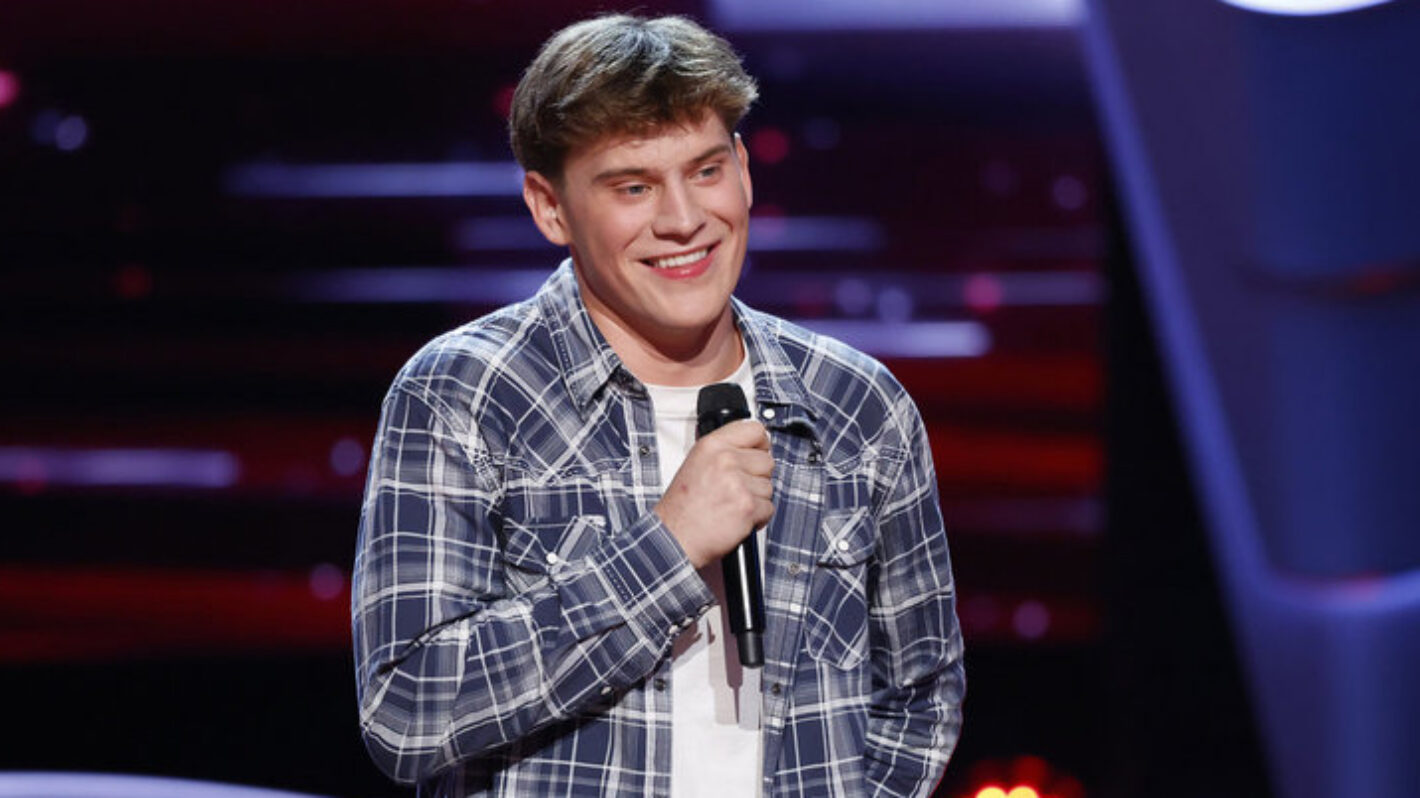
Joe Henley and Koumba Diallo walked onto The Voice stage as competitors, but for a few emotional minutes, their rivalry disappeared. Performing Brad Paisley and Dolly Parton’s beloved duet “When I Get Where I’m Going,” the two young singers delivered a heartfelt tribute that earned glowing praise from Riley Green and Kelly Clarkson. However, not every entertainment critic was equally convinced that their contrasting voices were a perfect match.
During the November 23 live episode of The Voice Season 30, the remaining 10 contestants celebrated the extraordinary musical legacy of Dolly Parton. The evening carried additional emotional weight following the country legend’s death on August 25, 2026, at the age of 80. For the contestants, it was an opportunity to honor one of music’s most influential artists while fighting to keep their own dreams alive.
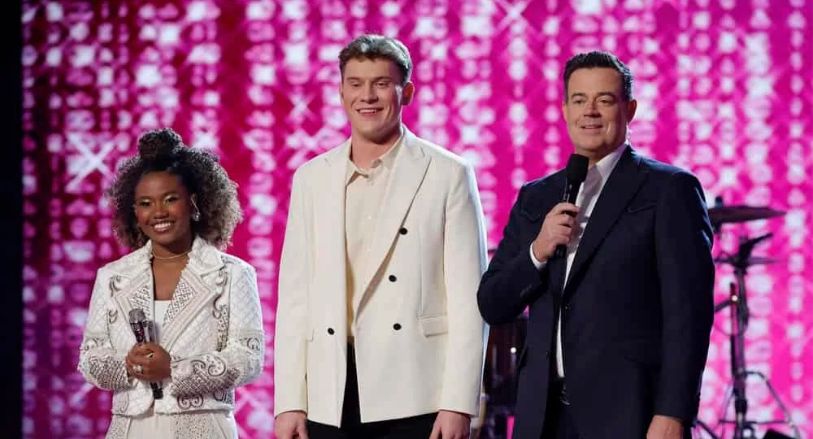
What made the evening particularly interesting was the decision to pair contestants from opposing teams. Instead of relying on individual performances to impress America, the singers had to demonstrate their ability to collaborate with someone whose musical background could be completely different from their own.
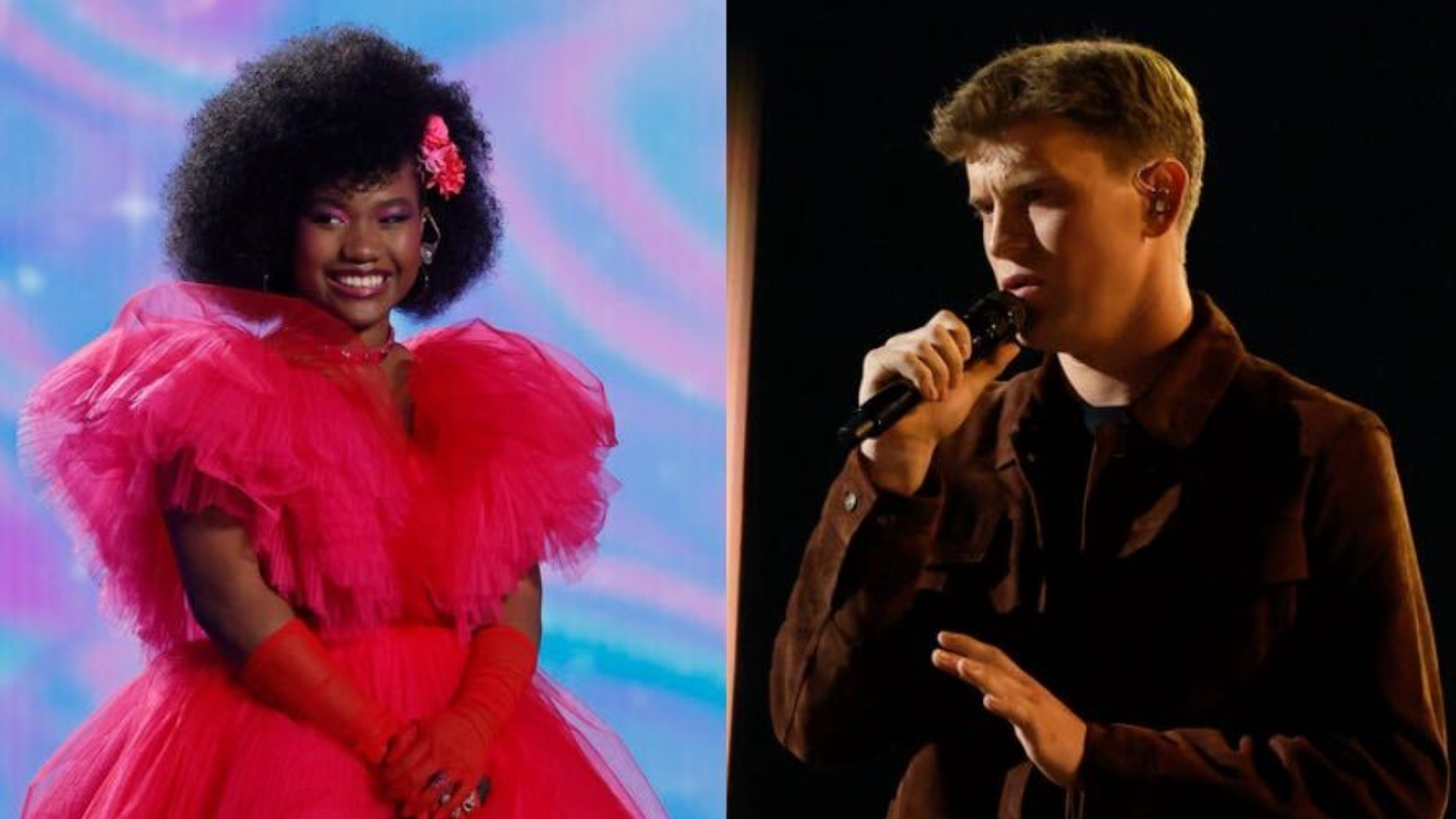
For 19-year-old Joe Henley and 16-year-old Koumba Diallo, that challenge was especially significant. Henley has established himself as one of Riley Green’s strongest country performers, while Diallo brings a distinctly different vocal personality to Kelly Clarkson’s team. Even Clarkson acknowledged during rehearsals that the pairing was an unusual combination.
Their song choice made the assignment even more demanding. Originally released in 2005 by Brad Paisley featuring Dolly Parton, “When I Get Where I’m Going” became a country music favorite thanks to its deeply comforting message about faith, loss, and the possibility of being reunited with loved ones. Its emotional power comes from sincerity rather than vocal extravagance, making it a particularly delicate song to perform.
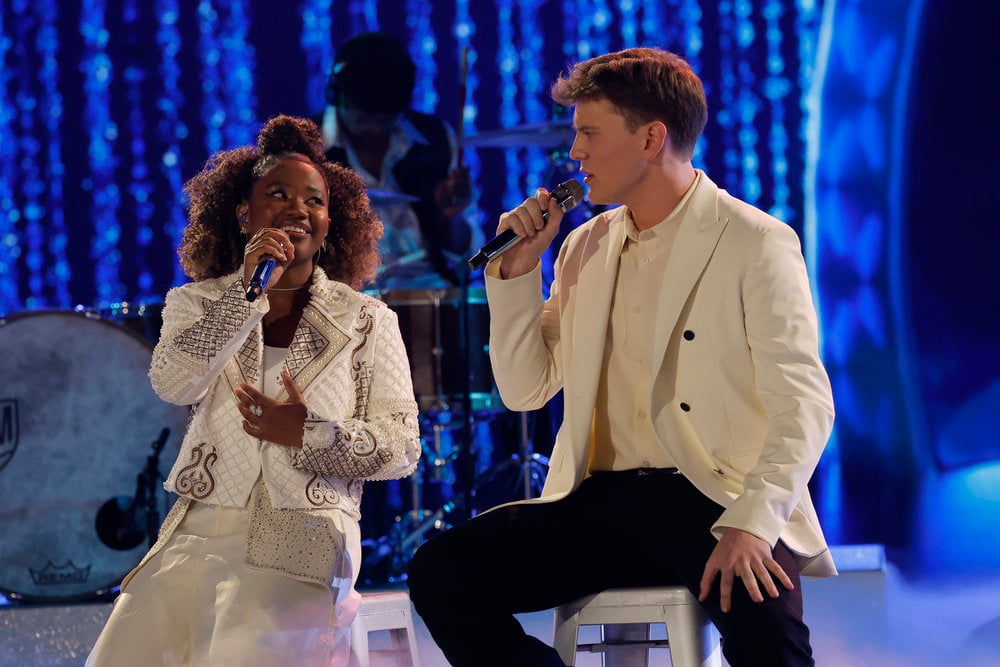
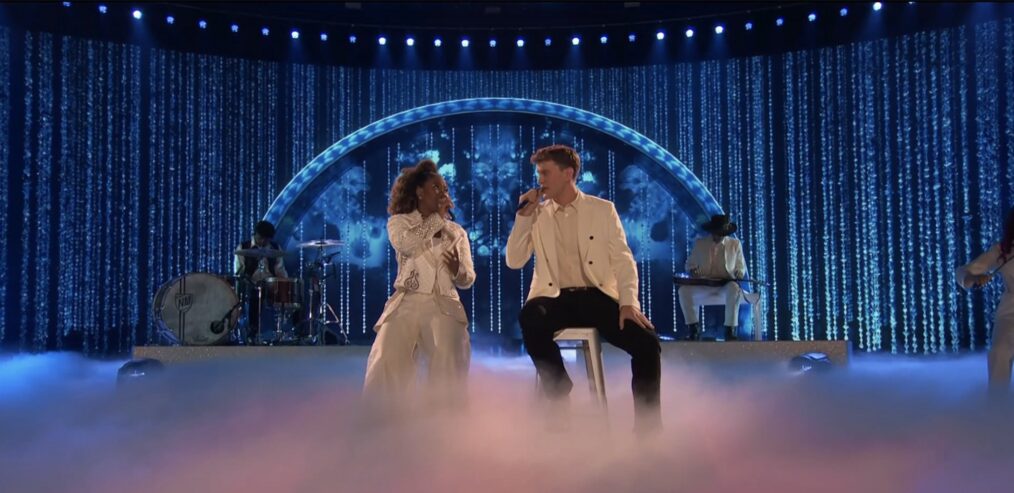
Against a backdrop of white fog, Henley and Diallo began their performance seated back-to-back, both dressed in white. The understated staging allowed the emotional meaning of the song to remain at the center of the performance. As the duet progressed, the singers eventually turned toward one another, creating an intimate musical exchange that complemented the song’s message.
Henley brought his recognizable country sound to the arrangement, while Diallo approached the material with a more expressive vocal style. Rather than attempting to recreate the original recording exactly, the contestants offered their own interpretation of a song that has meant so much to country music listeners for more than two decades.
For Riley Green, the performance was an undeniable success.
“You took us to church; that was so great,” Green told the contestants.
The country singer also expressed his appreciation for the opportunity to work alongside Clarkson while preparing the duet. His compliments extended beyond his own contestant, recognizing Diallo’s remarkable talent despite her belonging to a rival team.
Clarkson was equally impressed, describing the performance as beautiful and highlighting how effectively the singers’ contrasting vocal styles complemented one another. For a coach who initially recognized the unusual nature of the pairing, her reaction demonstrated just how much potential she saw in their collaboration.
Still, the performance raises an interesting question about what makes a truly great duet on The Voice. Is it the ability of two singers to blend seamlessly, or can their musical differences actually make a performance more memorable?
TVLine offered a more measured assessment of the tribute, suggesting that the vocal combination was not consistently harmonious, although the moments when the two singers connected were particularly enjoyable. The review also distinguished Henley’s natural country delivery from Diallo’s more theatrical emotional approach.
That contrast is precisely what makes their performance worth discussing. Henley’s appeal has often come from his straightforward approach to country music. Diallo, meanwhile, possesses a different kind of musical presence that allows her to bring additional dramatic expression to a song. Neither approach is inherently better, but combining them requires careful balance.
There was also something particularly meaningful about hearing two young artists interpret a song associated with grief, spirituality, and remembrance. They were performing music released before either of them was born, yet its message remains relevant to generations of listeners. That enduring connection is part of what makes Dolly Parton’s musical legacy so extraordinary.
The tribute was only one part of an evening filled with recognizable songs from Parton’s career. The Top 10 opened the show with “9 to 5,” while other contestants tackled favorites including “Jolene,” “Islands in the Stream,” “Wrecking Ball,” and “I Will Always Love You.”
But beneath the celebration was the reality that two contestants would be leaving the competition. No matter how meaningful the performances were, America still had to decide which artists deserved another opportunity to compete.
By the end of the broadcast, BigCountry from Team Queen Latifah and Dakota Cohen from Team Adam Levine had been eliminated. Henley and Diallo both secured their places in the Top 8, keeping their respective coaches’ championship hopes alive.

Kelly Clarkson now has three remaining artists in Koumba Diallo, Brianna Cameron, and Kyle Davis. Riley Green continues with Joe Henley and Ferryn & Brinkley, while Adam Levine has Lexi Stephens and Connor Closs. Mia Knight remains Queen Latifah’s sole representative in the competition.
The next live episode on November 30 will introduce a completely different musical challenge centered on songs that gained popularity on TikTok. With the December finale approaching, the remaining contestants will need to demonstrate versatility while maintaining the qualities that have earned them America’s support.
For Henley, the challenge will be continuing to distinguish himself as a country artist without becoming predictable. For Diallo, it will be finding material that showcases her expressive abilities while allowing her natural vocal identity to shine.
Their Dolly Parton tribute demonstrated why both contestants deserve serious consideration as the competition enters its final weeks. In my view, the differences between their voices were not necessarily a weakness. Although their contrasting approaches may not appeal equally to every listener, those differences gave the performance a personality of its own.
Sometimes, the most memorable musical collaborations are not the ones that sound perfectly polished. They are the ones that bring two different artistic identities together and create something neither singer could accomplish alone.
With both Joe Henley and Koumba Diallo advancing, America will soon have another opportunity to judge their individual abilities. But looking back at their emotional Dolly Parton tribute, did the two singers create something truly special, or would the song have been more powerful if performed by voices with more similar musical styles? And which of these young talents has the stronger chance of winning The Voice?