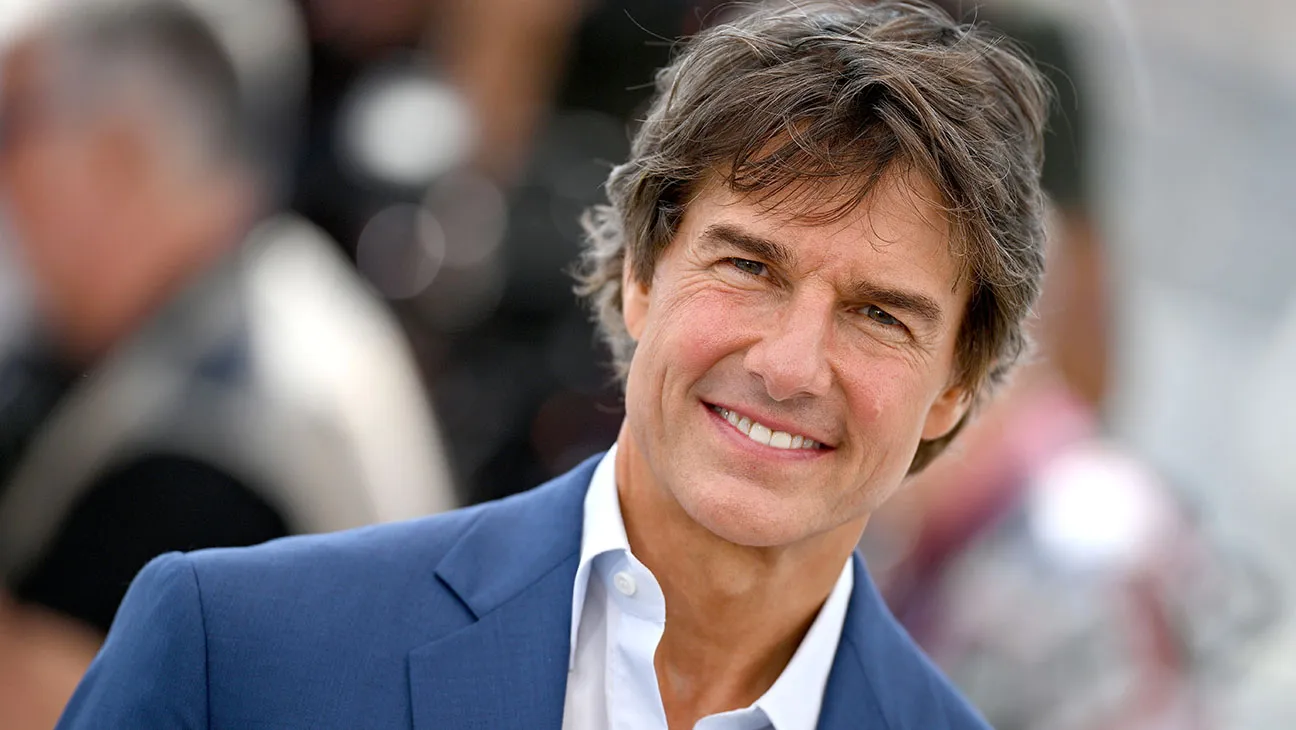
Tom Cruise is one of Hollywood’s most enigmatic figures—both revered and scrutinized in equal measure. He’s spent decades balancing blockbuster superstardom with bold artistic risks, seamlessly transitioning from high-octane franchises like Mission: Impossible and Top Gun to critically acclaimed dramas such as Eyes Wide Shut, Magnolia, and A Few Good Men. His relentless passion for filmmaking is undeniable, yet his public persona remains a puzzle, shaped by a mix of intensity, charisma, and controversy.
Despite his reputation as a perfectionist and Hollywood’s go-to action hero, Cruise’s journey to mastering the business side of the industry didn’t begin with one of his masterpieces—it began with one of his worst films.
The Surprising Success of a Not-So-Great Film
In 1988, Cruise starred in Cocktail, a flashy yet shallow drama about a charismatic bartender chasing his dreams. Critically, the film was panned—labeled predictable, vapid, and lacking substance. Yet, to everyone’s surprise, Cocktail was a box office smash, pulling in $11 million on opening weekend, a massive feat for the time.
Reflecting on that unexpected moment, Cruise recalled a phone call from Jeffrey Katzenberg, then head of Disney:
“By Sunday morning, everyone called me. Jeffrey said, ‘Congratulations. You are now able to open a movie. It’s one of the biggest openings in Disney history.’ In some weird way, that really changed everything. It became a defining moment in terms of me getting certain pictures made, like Born on the Fourth of July. I didn’t even fully grasp what it meant at the time.”
What Cruise learned was more than just the power of his name at the box office—it was a crash course in Hollywood economics.
The Business of Selling a Film
For Cruise, Cocktail was a turning point. It taught him how Hollywood truly works—that artistic merit doesn’t always translate to financial success, and that knowing how to sell a movie can be just as important as making one.
But with great power comes great responsibility. Cruise quickly understood that chasing box office numbers alone could be a creative trap:
“You can’t get mixed up in power games and gross games. Because then you start making decisions that aren’t organic to what you want to do. If your choices are based on grosses and the film doesn’t do well, what does that mean? It leaves you with nothing.”
This lesson became the foundation of his career philosophy—striking a balance between commercial viability and artistic integrity.
The Career That Followed
Had Cocktail flopped, Cruise’s career trajectory could have been very different. Instead, it gave him the clout to greenlight riskier projects like Born on the Fourth of July, which earned him his first Oscar nomination. It also solidified his understanding of Hollywood’s inner workings, allowing him to advocate for independent projects while also dominating the blockbuster scene.
Today, Cruise is not just a star—he’s a filmmaking powerhouse. He doesn’t just act; he orchestrates entire productions, ensuring every detail aligns with his vision. Whether he’s performing his own death-defying stunts or personally calling theater owners to save the big-screen experience, his influence is undeniable.
Ironically, one of his most forgettable films turned out to be one of the most formative experiences of his career. It may not have been his proudest moment, but without Cocktail, Tom Cruise might never have become the unstoppable force he is today.