
Adele has long been celebrated for her powerhouse vocals and her ability to connect with audiences on a deeply emotional level, but a recent moment at her Birmingham concert reminded fans just how profound that connection can be. During an intimate performance of “Someone Like You,” the singer spotted something that brought her to a halt—a fan holding up his phone, displaying a photo of his late wife on the lock screen.
The sight visibly shook Adele. She paused mid-song, her eyes welling with tears, and gestured for security to bring the man closer to the stage. “I could see how much he missed her,” she later told reporters, her voice soft and filled with empathy. “Music should hold us when words can’t.”

Once the fan was closer, Adele reached out and held his hand, drawing him into the moment with her. The intimacy of the gesture transformed the arena; what had begun as a routine concert performance became a shared space of grief, remembrance, and human connection. For the audience, it was a powerful reminder that music’s true power lies in its ability to express what words sometimes cannot.
As she resumed singing “Someone Like You,” every note carried the weight of compassion and understanding. The fan’s grief was no longer private—it was shared by thousands in the room, united by the emotional resonance of Adele’s voice. Many in the audience were moved to tears, capturing clips of the moment that would soon circulate worldwide. Within hours, the video had gone viral, with viewers across social media praising Adele for her authenticity, empathy, and the simple humanity she brought to the stage.
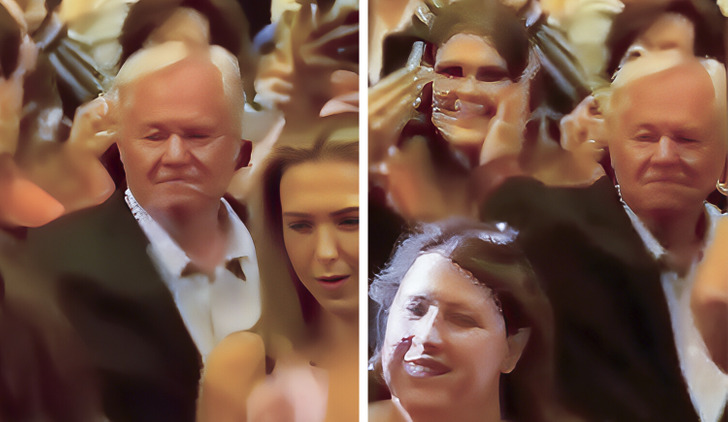
Fans and commentators quickly reflected on the profoundness of the encounter. One Twitter user wrote: “Adele didn’t just sing—she held space for someone’s grief. That’s real art. That’s real love.” Another added: “We go to concerts to hear songs, but tonight Adele reminded us that music can also heal.”
For Adele, moments like these are part of what makes performing so meaningful. While the singer routinely delivers packed arenas with flawless vocal performances, it is her ability to truly witness her audience, to recognize their stories and emotions, that sets her apart. The Birmingham incident wasn’t a staged moment or a publicity stunt—it was a spontaneous act of compassion that perfectly captured the essence of her artistry.

In an era where social media often reduces music to a series of clips or viral moments, Adele’s interaction with the grieving fan reaffirmed the timeless truth that music is, at its core, a human experience. It can comfort, unite, and provide solace when words fail.
As the fan left the stage, holding back tears, he later reflected: “She didn’t just sing to me—she sang with me. I felt my wife there with us in that moment. I’ll never forget it.” For millions of viewers around the world who watched the video, Adele’s compassion transformed a simple song into a universal act of empathy, a reminder that even in the vastness of a sold-out arena, music can create moments of profound personal connection.