When Music Becomes Memory, and Memory Feels Alive Again
Some performances don’t just honor a legacy—they reopen it.
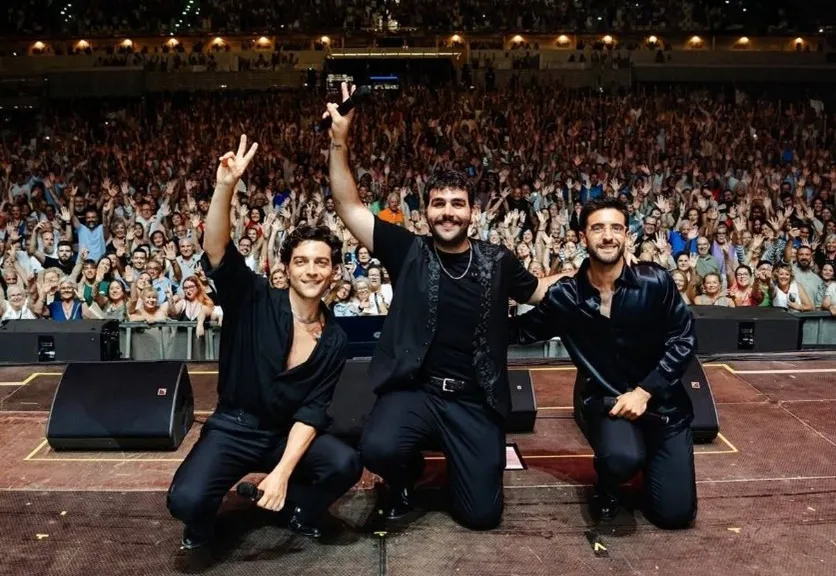
That’s exactly what unfolded in Rome when Il Volo stepped onto a stage built not just for music, but for remembrance. Inside the same city where the late composer once shaped some of his most enduring work, the trio delivered a tribute to Ennio Morricone that left the audience suspended between silence and emotion.
For many in attendance, it didn’t feel like a concert. It felt like something closer to a reunion with a presence that had never truly left.
A Composer Who Never Really Left the Room
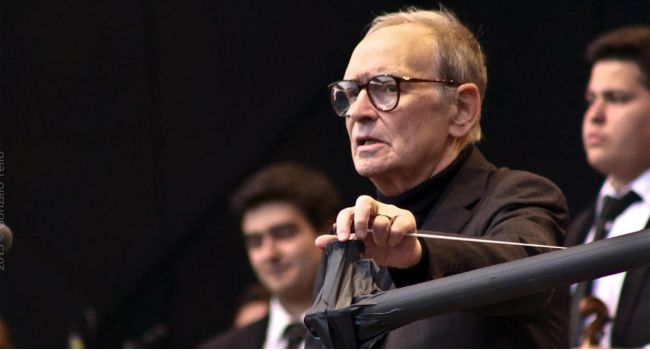
When Ennio Morricone passed away in 2020, the world didn’t just lose a composer—it lost a storyteller whose music had quietly embedded itself into global memory. His film scores didn’t simply accompany cinema; they shaped how audiences felt every frame.
That emotional weight hung over the Rome tribute from the very beginning. The atmosphere was restrained, almost reverent, as if the hall itself understood it was about to host something delicate.
Then came “Nella Fantasia.”
Three Voices, One Emotional Current
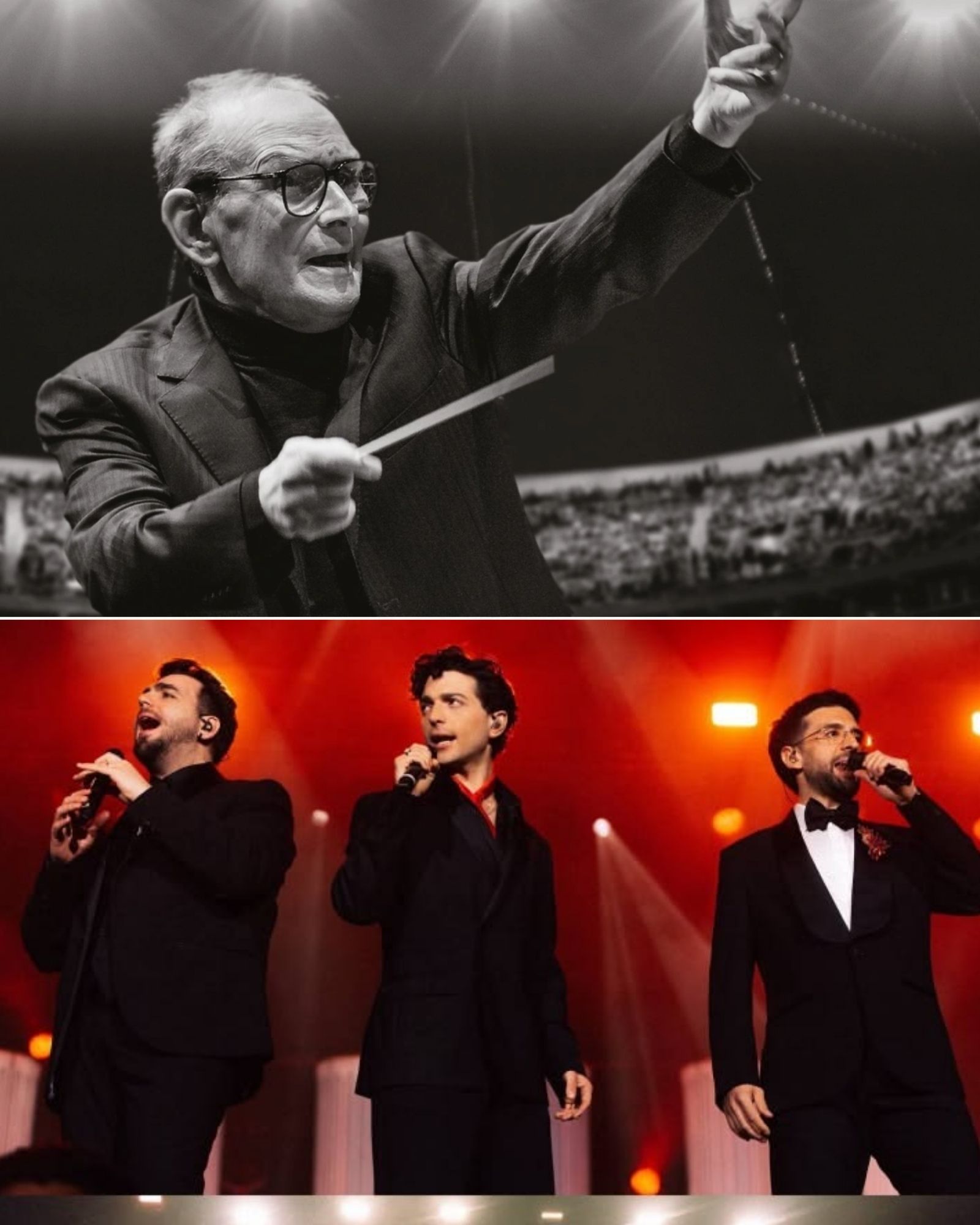
The performance began with Piero Barone, who opened the melody with measured control, allowing each note to settle rather than rush forward. It felt intentional—like unlocking something carefully preserved.
Ignazio Boschetto followed, deepening the emotional texture, adding warmth and resonance that expanded the sound without overwhelming it. Then Gianluca Ginoble entered, completing the transformation.
At that moment, the performance stopped feeling like three separate voices. It became something unified—an emotional current shaped by three singers moving in perfect balance.
Instead of competing for power, they surrendered to the music.
A Hall That Seemed to Hold Its Breath

As the arrangement unfolded, the orchestra didn’t dominate the moment—it supported it. Every swell, every pause, every gentle rise felt like it was responding to something invisible in the room.
There were no dramatic gestures. No forced theatrics. Just restraint, precision, and a shared understanding of what the music represented.
The effect was immediate. Audience members sat still, many visibly moved, as the performance shifted from tribute to something harder to define—something closer to presence than performance.
Not Just a Tribute—A Conversation With Absence

What made the moment resonate so deeply was not technical perfection, but emotional alignment. Il Volo didn’t attempt to recreate Morricone’s legacy in full scale or grandeur. Instead, they approached it with humility, letting the composition lead the way.
It felt less like they were performing for the composer, and more like they were performing through him—allowing his musical language to echo once again inside a living space.
That subtle shift changed everything.
When Legacy Becomes Something You Can Still Feel
By the final passage, the performance no longer belonged solely to the stage. It extended outward—into memory, into shared cultural history, into anyone who has ever been moved by Morricone’s music without fully knowing why.
Moments like this don’t rely on volume or spectacle. They stay because of what they leave behind: a feeling that something essential was briefly restored.
Rome has hosted countless unforgettable nights. But this one lingered differently—not because it was the loudest or the grandest, but because it felt, for a few minutes, as if time itself softened.
And somewhere in that silence between notes, it was easy to imagine the music still continuing—quietly, endlessly, as if Morricone himself had never really stopped conducting.